
Decoding the Noise: What Social Media Users Actually Want to Hear
An empirical study of notifications’ importance for online social network users
The paper presents an empirical study investigating the relative importance of different event types and the factors influencing notification relevance in Online Social Networks (OSNs). Using surveys from 569 students, the authors categorize event types into core, optional, and dispensable, providing a data-driven foundation for SOTA content recommendation algorithms to reduce information overload.
TL;DR
Online Social Networks (OSNs) are a double-edged sword: they connect us but often drown us in a sea of irrelevant notifications. This empirical study by Bouraga et al. identifies which "events" (like a friend's birthday vs. a friend joining a group) are actually vital to users. By surveying hundreds of OSN users, the authors categorize updates into Core, Optional, and Dispensable buckets, offering a blueprint for the next generation of recommendation engines that favor psychological intimacy over sheer popularity.
The "Overload" Motivation
The math of a typical social network is staggering. An average user with 190 friends, each performing two daily actions, produces 380 potential notifications per day. For most, that means an interruption every 2.5 minutes. If a system fails to prioritize, the user suffers from information fatigue. The central question of this research is: What are the rules for choosing which events to show and which to hide?
Core Event Types: What Really Matters?
The study breaks down social events into several high-level categories. Through Chi-Square significance testing, they discovered that our digital preferences are deeply rooted in identity and personal connection.
1. The Core (High Importance)
- Identity & Relationships: Changes to Name, Birthday, Relationship Status, and Profile Pictures are non-negotiable updates.
- Rich Media: Photos, videos, and comments on media are prioritized over text-only notes.
- Direct Engagement: Receiving a message or short-text status (like a Facebook status update).
2. The Dispensable (Low Importance)
- Professional/Belief Metadata: Users surprisingly don't care about a friend's résumé, political beliefs, or religious views via automated notifications.
- System Notifications: Suggestions for "Public Figures to Follow" or "Account Connections" (e.g., signing in via another OSN) are largely viewed as noise.
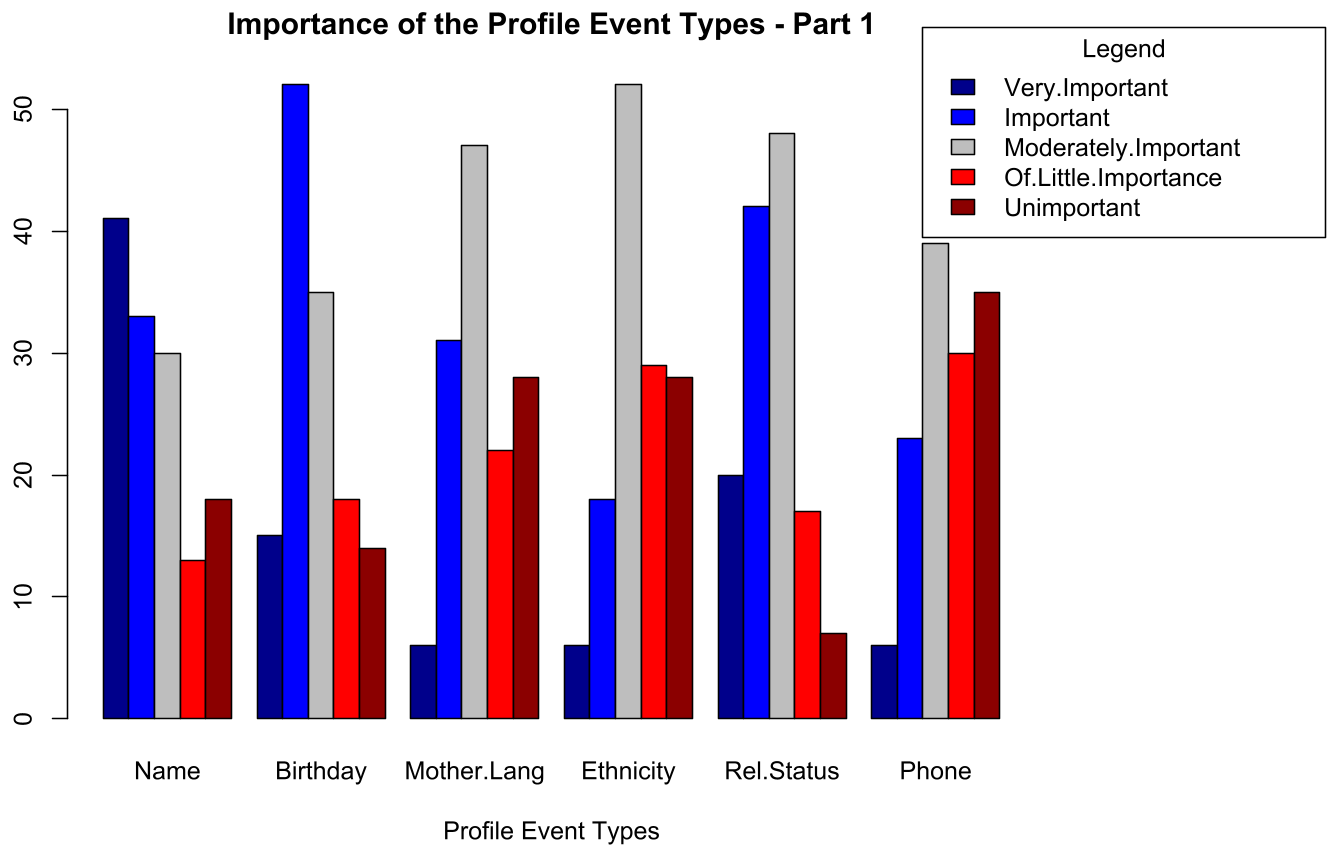 Fig 1: Quantitative analysis of Profile Event Types showing the dominance of Identity (Name, Birthday) over Beliefs.
Why Does it Work? The Psychology of Relevance
The research goes beyond the "What" and delves into the "How"—the factors that influence our perception of importance.
The "Intimacy" Insight
The most critical finding for system designers is that Tie Strength (Closeness) is the ultimate filter. Users want to see content from their best friends, regardless of whether that content is "trending."
The "Popularity" Paradox
In a counter-intuitive finding, the Number of Likes or Order of Presentation did not significantly affect whether users felt a status was "important." This suggests that "buzz" is a poor proxy for personal relevance. Social platforms that prioritize "Viral" content may actually be increasing user frustration by neglecting deep social ties in favor of shallow engagement metrics.
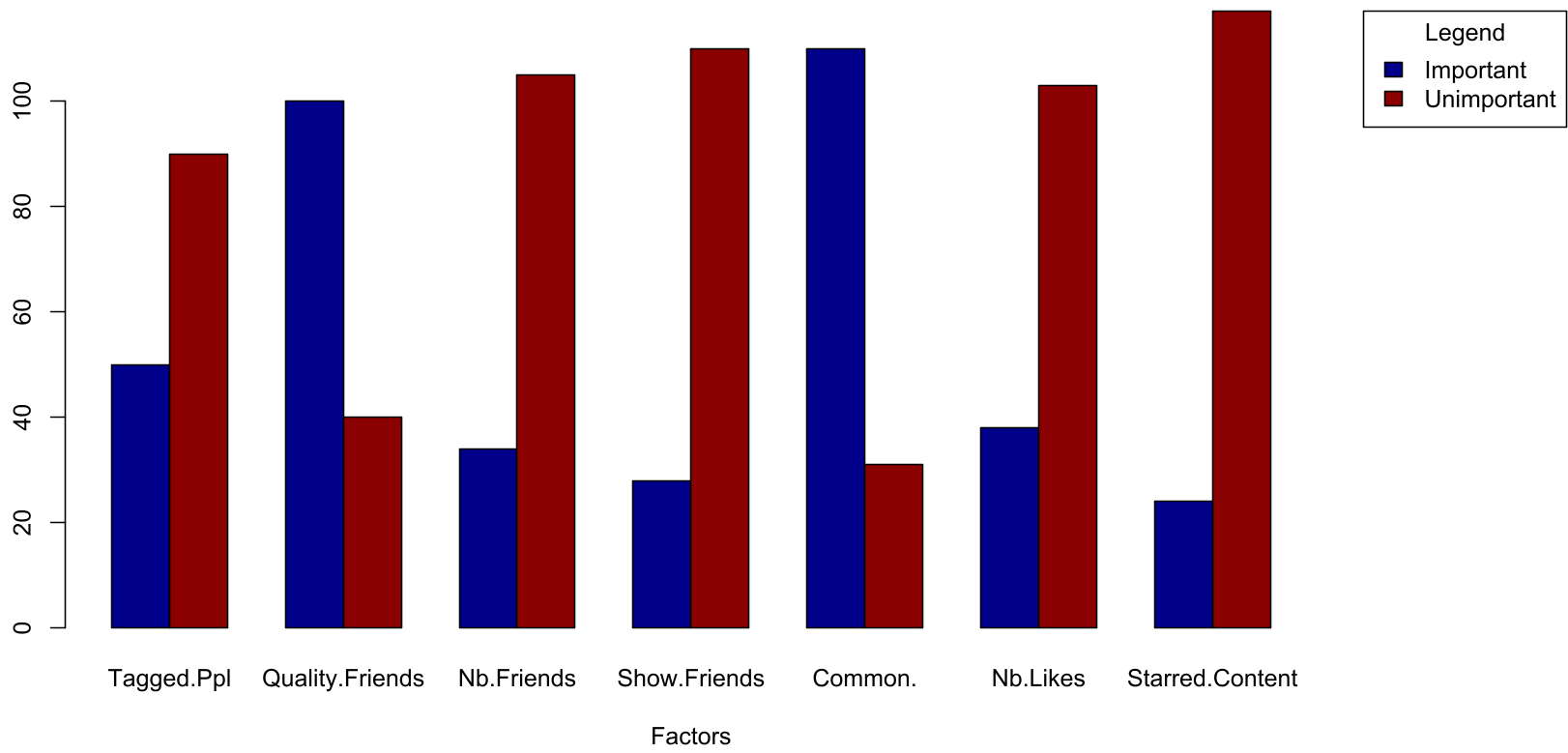 Fig 2: Comparison of factors: Closeness and Commonality significantly outperform "Number of Likes" in perceived importance.
Architectural Blueprint: The Filtering Algorithm
Based on their results, the authors propose a ranking system for OSN notification engines.
- Content first: Always notify about core content updates (Photos, Videos, Short Texts).
- Filter Recommendations: Suppress generic suggestions unless they specifically match the user's core interests.
- Tie-Strength Override: If a "Close Friend" (detected via interaction frequency) posts even a "Neutral" event, elevate it to a notification.
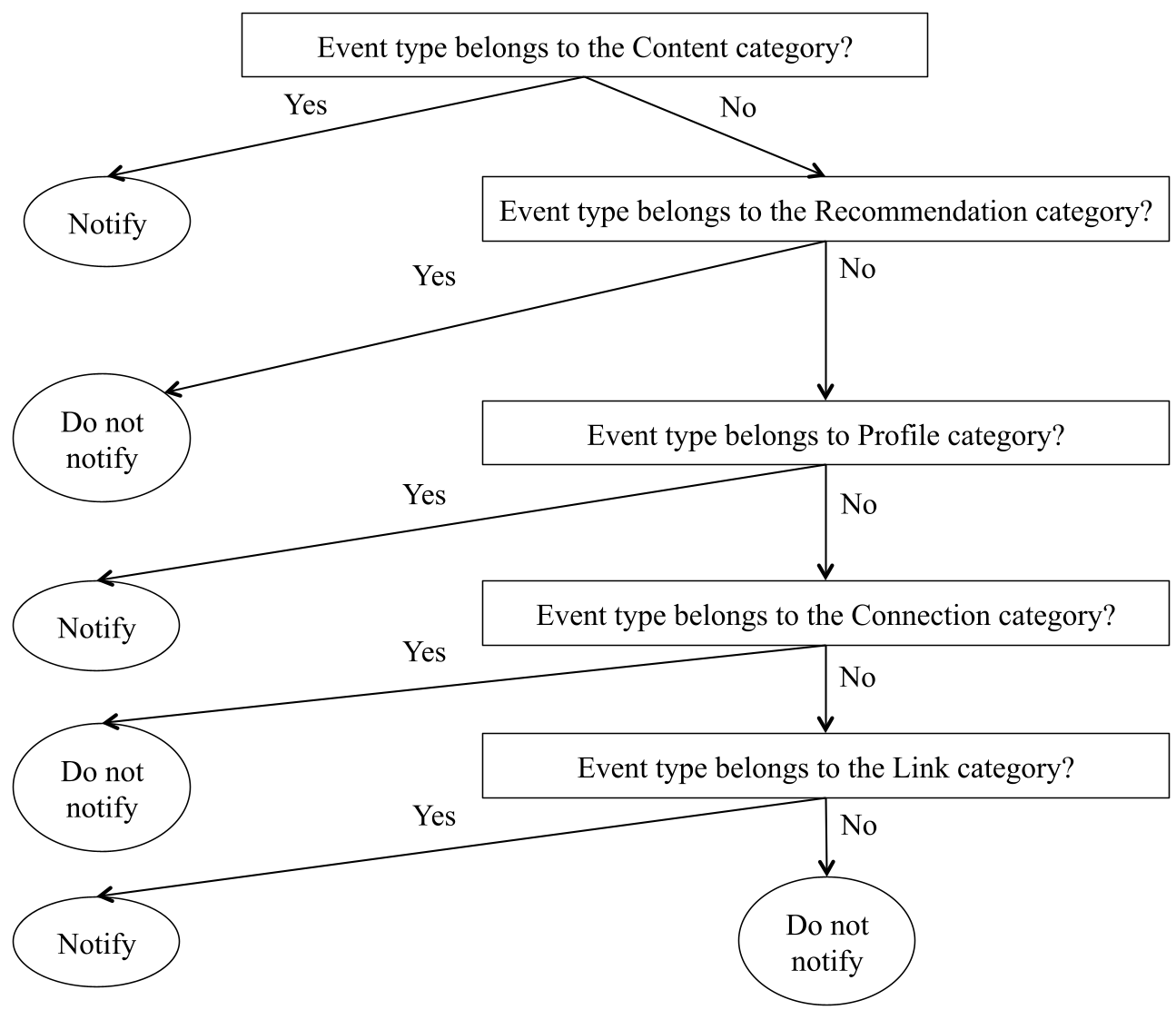 Fig 3: Proposed algorithmic flow for managing information overload.
Critical Insight & Future Outlook
While the study is limited by its student-centric sample, its value lies in providing an academic baseline for Notification Engineering.
Key Takeaways for Designers:
- Don't chase the buzz: Quantitative "Likes" don't equate to qualitative "Importance."
- Prioritize Identity: We are social creatures; we care more if a friend changes their relationship status than if they join a public group.
- Leverage Alerts: Explicit notifications are powerful, but only if kept for the "Core" list.
Future work in this field must explore how these preferences change with age—professionals on LinkedIn likely have very different "Core" events than students on Facebook. As AI-driven feeds become the norm, grounding them in these fundamental human social hierarchies is essential to prevent user burnout.