
Invisible Guardians: Rethinking Children's Safety through Ergonomic Anti-Lost Clothing
The Study of Design of Children’s Anti-lost Clothing Based upon Ergonomics
This paper presents a multi-disciplinary approach to designing children's anti-lost clothing by integrating ergonomics, fashion design, and intelligent tracking technologies (Bluetooth, Wi-Fi, ZigBee). It categorizes design requirements across four developmental stages of childhood to provide a concealed, comfortable, and functional alternative to easily removable wearable devices.
TL;DR
Child trafficking and "lost child" incidents remain a critical social tragedy. While smartwatches exist, they are easily spotted and removed by traffickers. This research shifts the paradigm from external wearables to integrated smart apparel. By combining ergonomic data, psychological profiling of different growth stages, and a comparison of wireless protocols, the authors propose a design framework for clothing that keeps children safe without sacrificing comfort or style.
The Problem: The "Visibility" Paradox
The primary failure of current anti-lost solutions is their conspicuousness. A smartwatch is a beacon for a kidnapper—it is the first thing removed. Furthermore, the "one size fits all" approach ignores the rapid physiological changes in children. Infants need sensors that detect crying (since they cannot speak), while school-age children need devices that don't hinder their active movement or social identity.
Methodology: Designing for Developing Bodies
The researchers argue that anti-lost clothing is not just about "sticking a GPS in a pocket." It is a complex intersection of:
- Developmental Stages: Categorizing children into Infancy (0-1), Early Childhood (1-3), Preschool (4-6), and School Age (6-12) to determine specific sizing and mobility constraints.
- Material Selection: Prioritizing knitted fabrics for their elasticity, moisture absorption, and thermal retention—essential for sensitive skin.
- Ergonomic Placement: Avoiding joint activity points (like shoulders) to prevent skin friction and device damage.
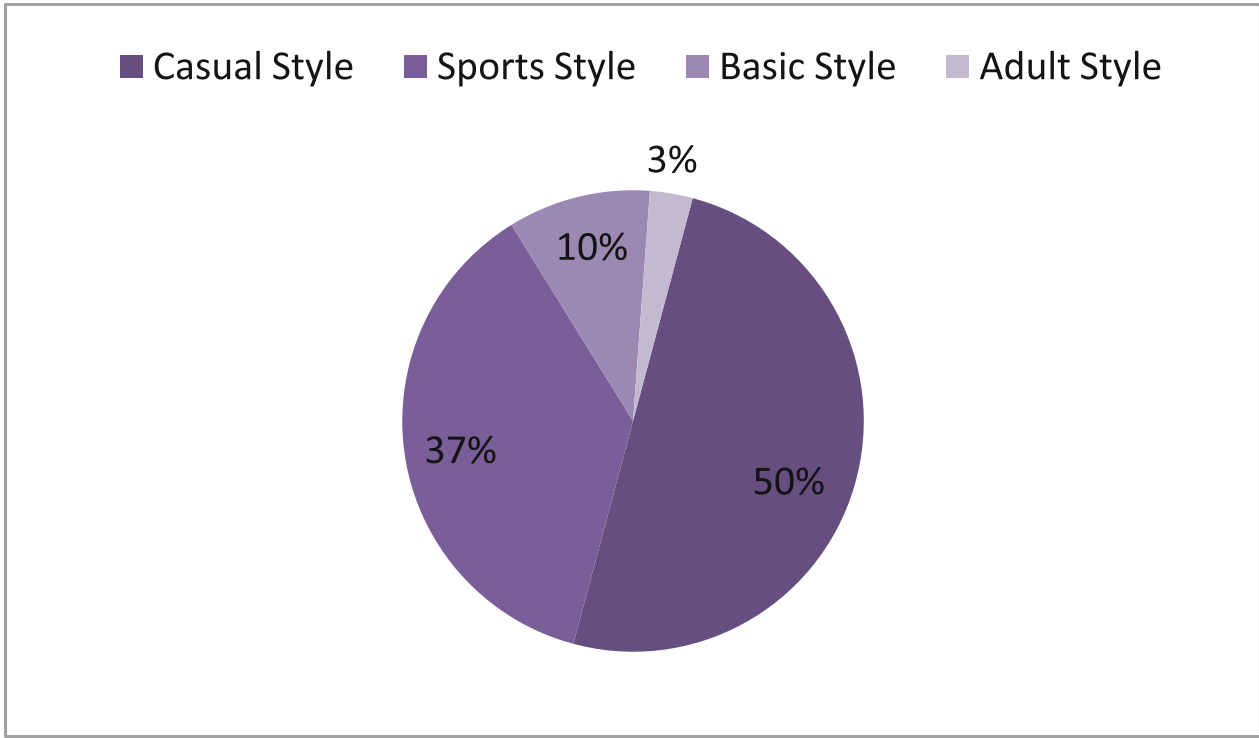 Figure: Survey results show a distinct preference for casual and sports styles, reflecting the active nature of children.
The "Brain" of the Garment: Technical Integration
A critical contribution of this paper is the comparative analysis of communication technologies for different safety zones.
1. Activity Zone Mapping
The system defines three logical perimeters:
- Safe Area: Immediate proximity to the guardian.
- Activity Area: Small range for peer play.
- Detachment Area: The alarm trigger zone.
2. Choosing the Right Protocol
The study highlights ZigBee as a standout candidate for embedded clothing due to its high security and ultra-low power consumption. Unlike Wi-Fi, which drains batteries in hours, a ZigBee node can last up to two years on standard batteries, making it "fit and forget" for parents.
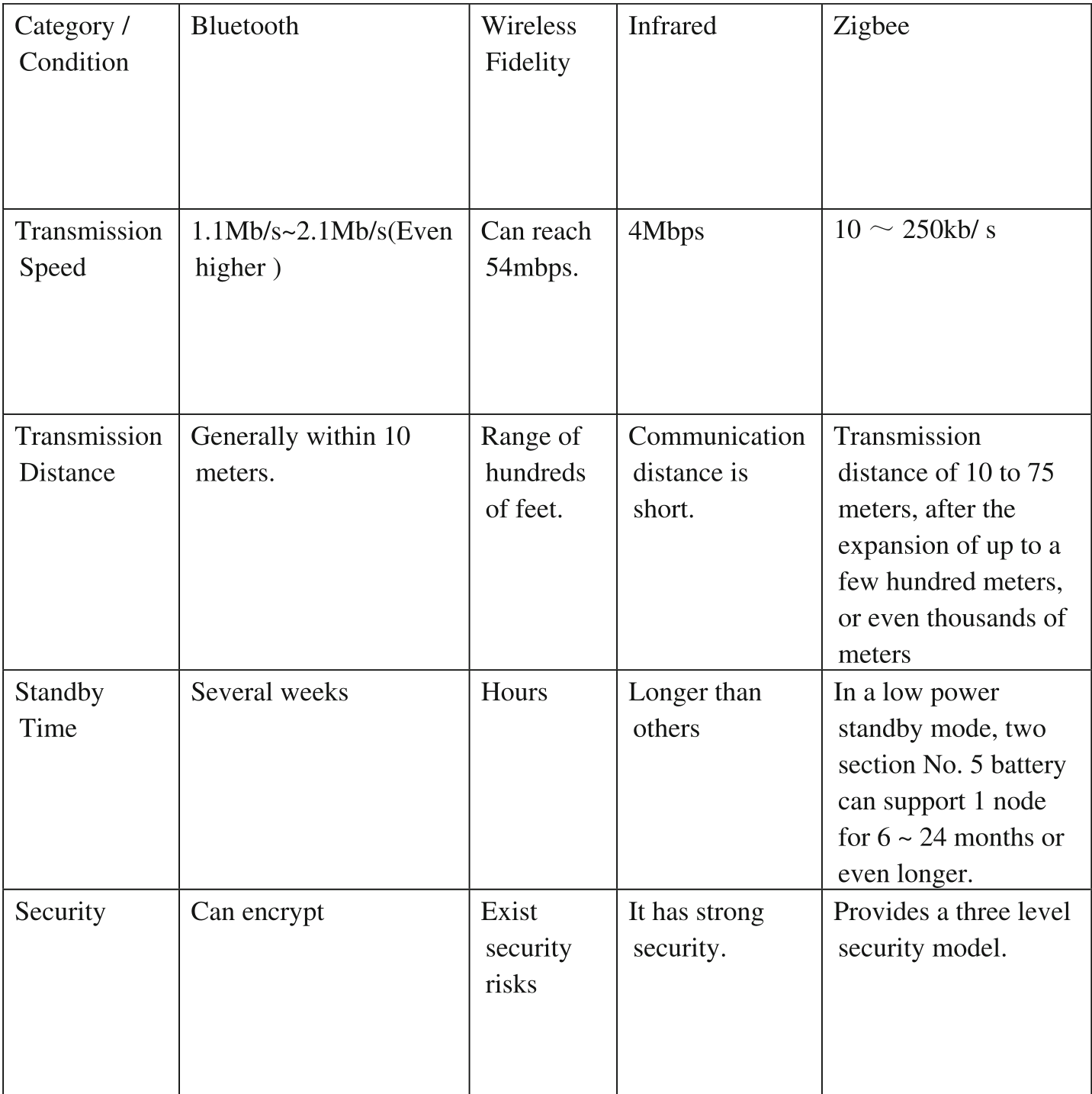 Table: A comparison showing ZigBee's superior standby time and security profile for long-term wearable use.
Experimental Insights: Where to Hide the Tech?
Placement is the key to concealment. While many might think the "Shoulder" or "Yoke" (upper back) is ideal, parents and ergonomic data suggests otherwise. Analysis showed that the medial suture (side seams) and protothorax (front chest) received the highest acceptance (24% and 63% respectively). These areas experience the least friction during running/jumping, ensuring both the child's comfort and the electronic component's longevity.
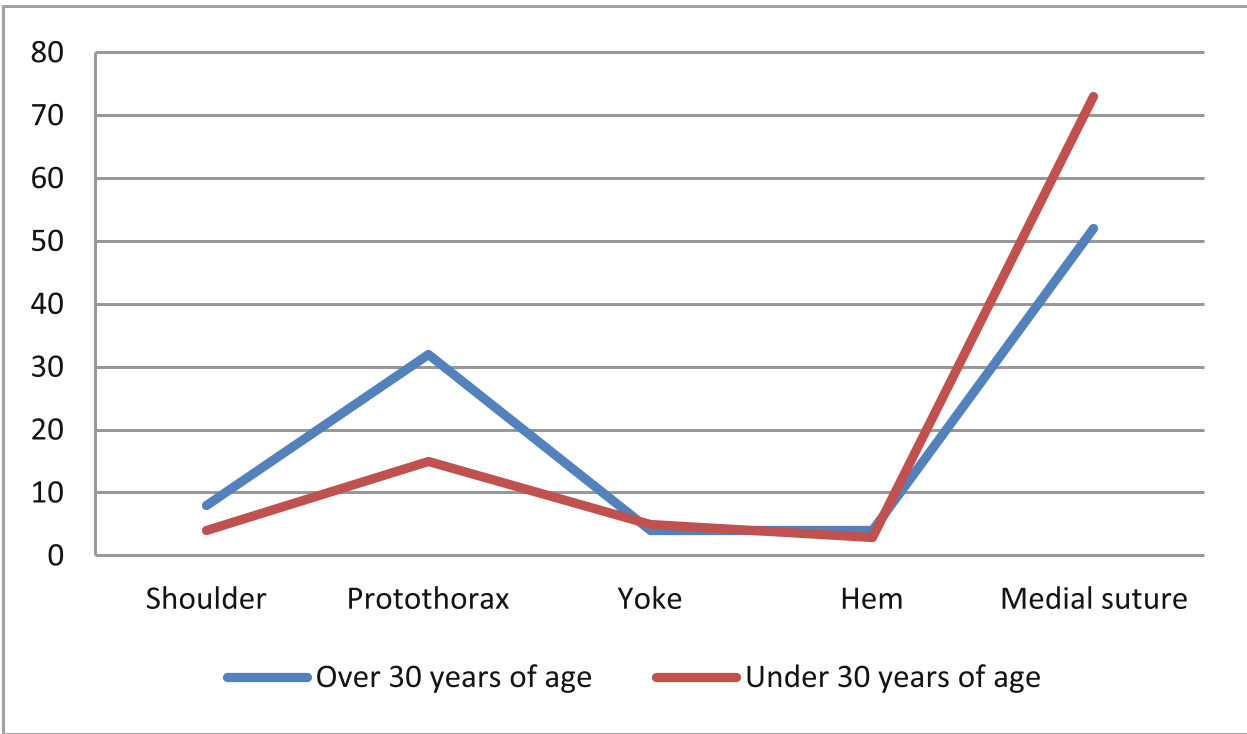 Figure: The data highlights that parents prioritize positions that do not restrict movement or draw unnecessary attention.
Critical Insight & Conclusion
This paper serves as a bridge between Information Technology and Humanities-driven Design. The takeaway is clear: technology is most effective when it is invisible. By embedding safety into the very fabric of a child's daily life—using bright, inteligence-stimulating colors and ergonomic stitches—we create a safety net that a child won't want to take off, and a trafficker won't easily find.
Limitations: The study notes that interdisciplinary gaps in positioning technology still exist (e.g., washability of the electronic components remains a significant hurdle for mass production).
Future Outlook: The next frontier for this research lies in Smart Fabrics—where the fabric itself acts as the sensor, eliminating the need for rigid modules entirely.