
Neural Biases: How Gender Shapes the Brain's Response to Facial Beauty
Event-related potentials (ERPs) to gender differences in encoding processing for female facial attractiveness
This neurocognitive study identifies significant gender differences in brain responses to female facial attractiveness using Event-Related Potentials (ERPs). By analyzing 38 heterosexual participants, the research demonstrates that attractive female faces elicit much stronger early and late neural components in males than in females, particularly impacting the P170, N220, and Late Positive Component (LPC).
TL;DR
Is beauty truly in the eye of the beholder, or is it hardwired into the circuitry of the brain? This ERP (Event-Related Potential) study reveals that male brains react significantly more intensely and rapidly to attractive female faces than female brains do. While both genders recognize beauty, males exhibit a unique "neural surge" across multiple time windows—from early perception (170ms) to deep cognitive evaluation (700ms)—suggesting that for males, female attractiveness is a high-priority biological signal.
The "Why": Mating Values and Evolutionary Triggers
Facial attractiveness isn't just a social construct; it's a proxy for biological health, fertility, and reproductive fitness. However, the timing of these judgments—the "when" and "how" the brain filters this information—has remained a mystery.
The researchers hypothesized that if facial beauty serves as a reward or a mating cue, the neural "cost" or investment in processing these faces should differ by gender. Specifically, they looked for differences in encoding processing: the stage where the brain transforms a visual stimulus into a mental representation.
Methodology: Peering into the Chronometry of the Brain
To capture these split-second reactions, the study used ERP technology, which provides millisecond-level precision. 38 heterosexual participants (21 males, 17 females) viewed hundreds of female faces and judged them as "attractive" or "unattractive."
Key Components Measured:
- P170/N170: Early structural encoding of the face.
- N220: Early emotional and attentional discrimination.
- LPC (Late Positive Component): High-level cognitive evaluation and memory updating (300-700ms).
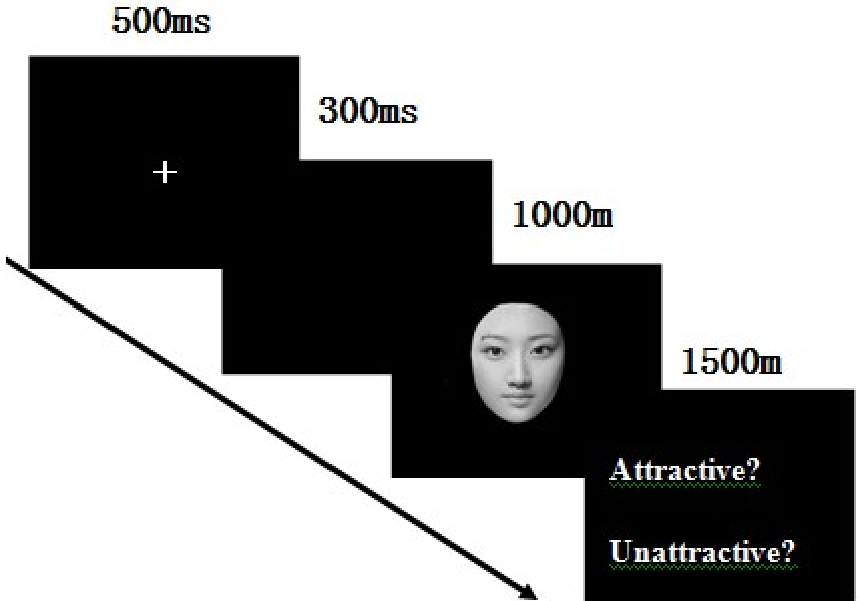 Figure 1: The experimental sequence for the encoding task.
The Core Findings: A Male-Specific Neural Signature
The results revealed a stark contrast in how the two genders process female beauty:
1. Behavioral Speed vs. Accuracy
Both males and females were highly accurate at identifying attractive faces. However, males were significantly faster at responding to attractive stimuli. This behavioral "efficiency" suggests a prioritized processing pathway in the male brain.
2. The Early Perception Surge (170ms - 220ms)
In males, attractive faces elicited a larger P170 at fronto-central sites and a larger N220 at temporal-occipital sites. This indicates that the male brain allocates more attentional resources to "beautiful" faces almost immediately upon seeing them.
3. Deep Cognitive Evaluation (The LPC Effect)
The most striking difference appeared in the LPC (500-700ms). Males showed a massive increase in positivity for attractive faces at central-parietal locations. This component is associated with "perceptual closure" and stimulus evaluation. For males, a beautiful face isn't just seen; it is deeply processed as a significant, rewarding event.
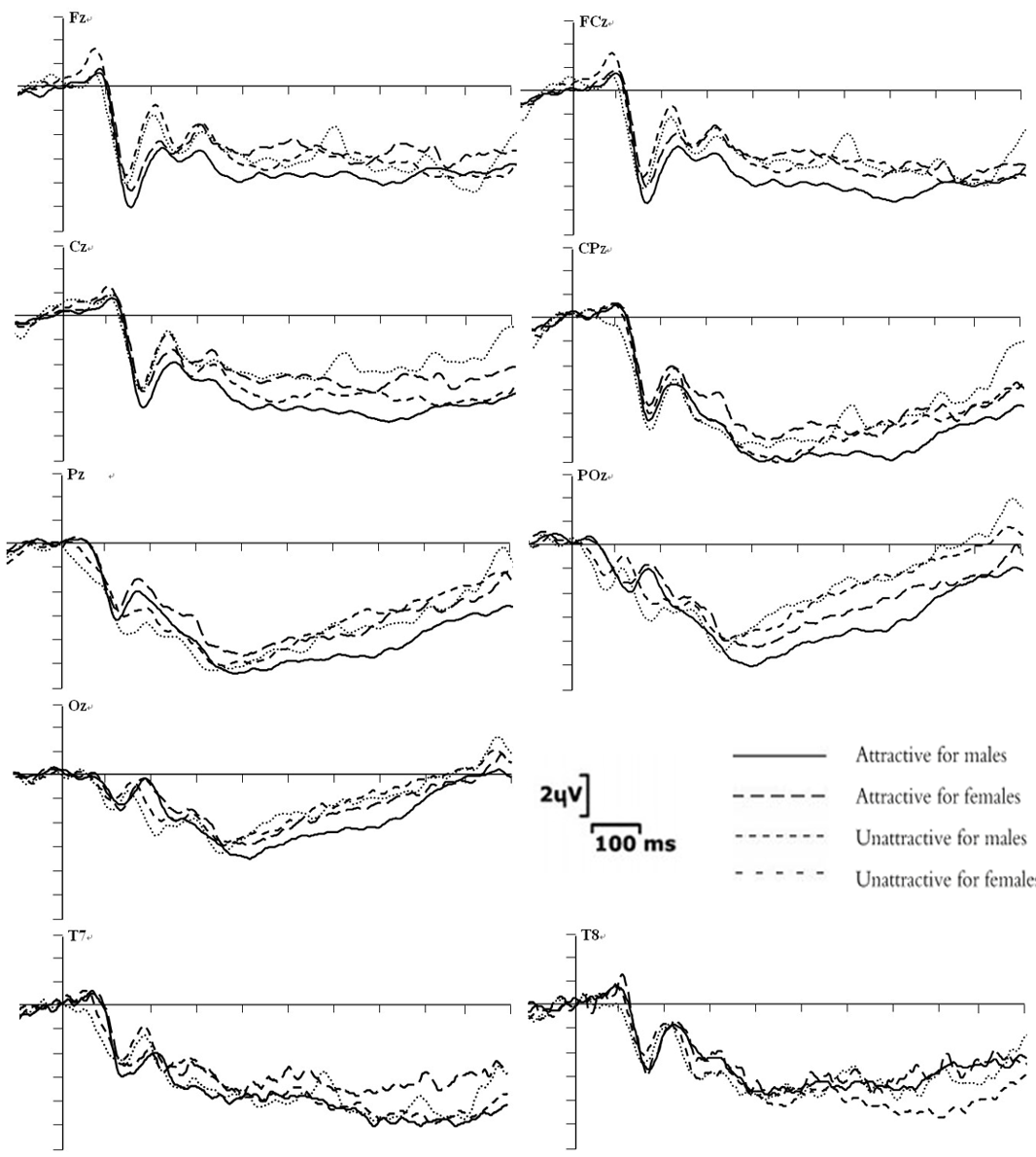 Figure 2: Grand-mean ERPs showcasing the significant divergence between male and female neural responses.
Why Does This Happen?
The study suggests two primary reasons for this divergence:
- Emotional Valence: Attractive female faces trigger a reward response in males (activating regions like the orbitofrontal cortex), which manifests as enhanced ERP amplitudes.
- Information Processing Strategies: Females showed a larger N170 (structural encoding) for beauty, but lacked the late-stage evaluative surge (LPC) that males displayed. This implies that while females perceive the "symmetry" or "structure" of beauty, they do not find the female face inherently "rewarding" in the same biological sense.
Critical Insight & Conclusion
This research confirms that facial beauty acts as a biological "pop-out" effect for males. It hijacks early attentional mechanisms and commands late-stage cognitive resources.
Takeaway: From a product or design perspective, this reinforces the "power of the face" in visual hierarchy, but adds a crucial nuance: the neural intensity of that response is highly dependent on the gender of the viewer relative to the stimulus.
Limitations to Consider:
- Sample Bias: The study focused only on heterosexual participants.
- Static Stimuli: Neutral expressions were used; however, real-world attractiveness is often dynamic and tied to social cues like smiling.
- Target Gender: The study only used female facial stimuli; a reciprocal study using male faces would be necessary to complete the map of gender-based neural preferences.