
Toward an Ethical Framework for Web-Based Collective Intelligence: Navigating the Moral Compass of the Crowd
Toward an Ethical Framework for Web-Based Collective Intelligence
This paper proposes an ethical framework specifically designed for Web-based Collective Intelligence (WBCI) within business organizations. It synthesizes Information Society constraints, Moral Intelligence theories, and Normative Business Ethics to define a five-layer structure ensuring ethical integrity in distributed human-machine collaborative systems.
TL;DR
As business organizations evolve into Complex Adaptive Systems, the ability to harvest "Collective Intelligence" (CI) via the Web has become a survival necessity. However, the rush to exploit crowd wisdom has outpaced our ethical safeguards. This paper introduces a comprehensive framework to transition WBCI from a technical tool to a rigorous discipline by embedding five layers of ethical constraints—ranging from legal compliance to the "greatest benefit" principle—into the very architecture of collaborative systems.
The Motivation: Intelligence Without a Conscience?
The digital age has enabled us to "boost the collective IQ" of organizations by merging human expertise with machine speed. From Douglas Engelbart’s early visions to modern Business Intelligence (BI) tools, the focus has been on synergy and efficiency.
However, the author points out a glaring gap: the "What" (intelligence) is flourishing, but the "How" (ethics) is lagging. In collaborative environments, decision-making isn't just a technical output; it carries weight for stockholders, employees, and society at large. Without an ethical framework, collective intelligence risks becoming a "collective delusion" or a tool for exploitation.
The Multi-Dimensional Ethical Model
The heart of this research is the integration of diverse ethical schools of thought into a singular model for Web-based systems. The author argues that CI systems must operate under five distinct ethical layers:
1. The Core Theories (The Foundation)
The model stands on three pillars of normative ethics:
- Stockholder Theory: Ensuring resources are used to increase returns without deception or fraud.
- Stakeholder Theory: Balancing the interests of employees, suppliers, and customers who are affected by the system's output.
- Social Contract Theory (SCT): Obligating the organization to provide a net benefit to society, moving beyond narrow corporate interests.
2. The Moral Intelligence Layer
Borrowing from Gardner’s "Multiple Intelligences," the paper emphasizes Moral Intelligence. It isn't enough for a system to be "smart"; it must exhibit traits like inhibitory control, empathy, and responsibility.
3. Environmental Constraints
Following Spinello’s logic, the framework acknowledges that no system exists in a vacuum. It must respect:
- Legal/Governmental environments (legislation and judicial systems).
- Professional codes of conduct (licensing and industry standards).
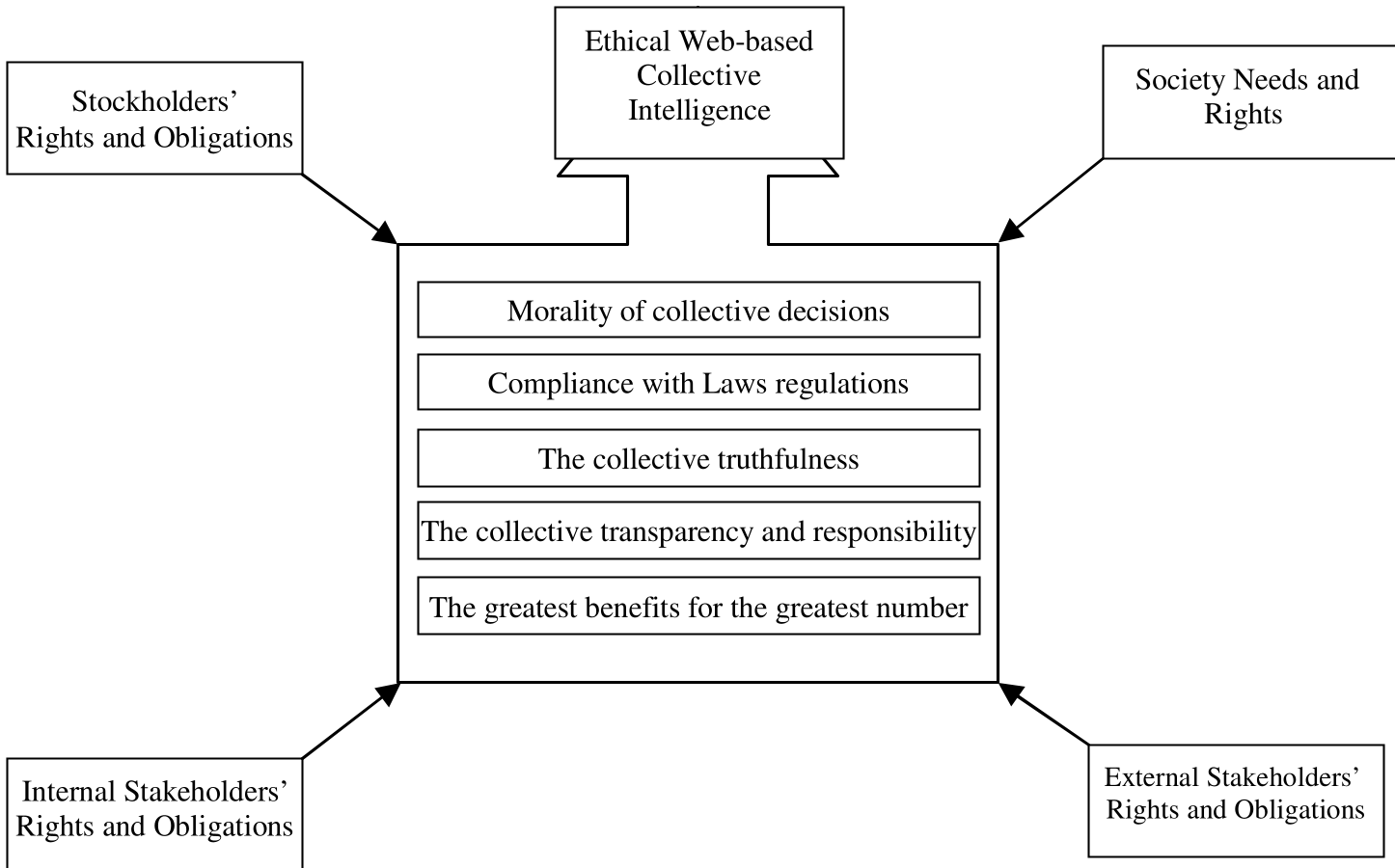 Figure 1: The proposed conceptual framework illustrating the interplay between society, stakeholders, and the five layers of ethical constraints.
From Theory to Practice: Six Guiding Principles
The paper moves from abstract philosophy to actionable design principles for developers of Web-based collaborative tools:
- Moral Support: Systems should include mechanisms to flag or evaluate the moral intent of collective choices.
- Compliance by Design: Automated checks for laws and industry regulations.
- Stakeholder Inclusivity: Ensuring decisions reflect the rights of those "vitally affected."
- Truthfulness Verification: Algorithms must confirm that the "collective truth" aligns with reality, preventing the spread of misinformation within organizations.
- Transparency & Accountability: Establishing a clear "audit trail" for how decisions were reached and who is responsible for the consequences.
- Utilitarian Optimization: Favoring decisions that provide the greatest benefit for the greatest number.
Critical Analysis & Future Outlook
The author successfully bridges the gap between IT management and moral philosophy. By framing Collective Intelligence as a "complex adaptive human system" rather than just a database or an algorithm, the paper forces us to reconsider the human-computer relationship.
Limitations: The primary limitation is the conceptual nature of the work. While the "what" and "why" are expertly defended, the "how" (technical implementation) remains high-level. How do we program "empathy" into a collaborative filtering algorithm? How do we mathematically weigh "Social Contract" benefits against "Stockholder" returns?
Future Research Directions: The next frontier is empirical testing. Researchers need to apply these layers to real-world platforms—like prediction markets or collaborative knowledge bases—to measure if these ethical constraints actually lead to more sustainable and trusted business outcomes.
Conclusion
Collective intelligence is the "prized asset" of the 21st-century organization. However, to truly evolve, it must grow a "moral heart." This framework provides the blueprint for building systems that are not just smarter, but wiser.