
Decoding the High Frequency: Data-Mining 300,000 Marijuana Tweets
Evaluating marijuana-related tweets on Twitter
This study presents a large-scale analysis of over 300,000 marijuana-related tweets collected in November 2016. Using text-mining and sentiment analysis, the authors uncover correlations between tweeting behavior, external link usage, and major socio-political events like the 2016 U.S. Presidential Election.
TL;DR
By analyzing 316,191 tweets from November 2016, researchers have mapped the digital landscape of cannabis. They found that marijuana discourse is heavily influenced by political events, characterized by a high volume of automated professional content (23.5%), and that the presence of external links is a primary indicator of pro-marijuana sentiment and organizational advocacy.
Background: Twitter as a Public Health Mirror
Public health surveillance has historically been a reactive field. However, with 310 million active users, Twitter has become a real-time laboratory for "infodemiology." While previous research successfully tracked influenza and tobacco, the legalization of marijuana across various U.S. states provides a unique socio-legal intersection to study via digital footprints.
Motivation: Moving Beyond "What" to "How" and "By Whom"
Most existing literature on marijuana chatter focuses simply on the volume of tweets. This paper seeks to fill a critical gap by analyzing the behavioral metadata:
- Are people tweeting from phones or bots?
- Does an external link change the sentiment profile of a post?
- How do political milestones (like the 2016 U.S. Election) trigger spikes in substance-related discourse?
Methodology: High-Volume Extraction and Sentiment Segregation
The research team developed a custom Python server to bypass the 7-day limitation of the Twitter Search API, allowing for a deep dive into the entire month of November 2016.
The Workflow
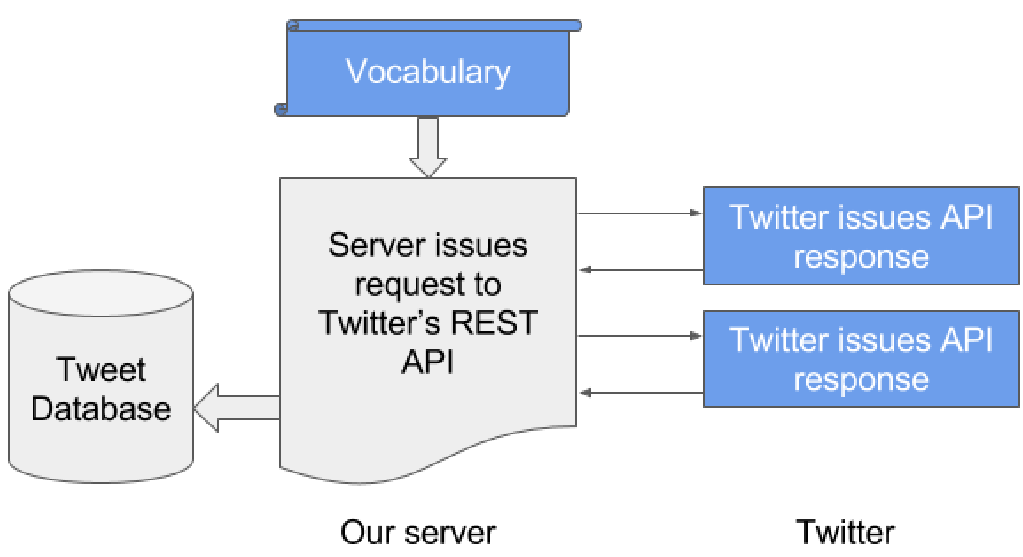
The core analysis utilized:
- N-gram Analysis: Identifying common unigrams (e.g., "weed", "pot") and bigrams (e.g., "medical marijuana").
- External Link Correlation: A unique approach of splitting the dataset into "Linkers" and "Non-Linkers."
- Device Profiling: Categorizing users by their hardware (iPhone vs. Android) or software (IFTTT/TweetDeck).
Key Insights and Results
1. The "Link" Signal
One of the paper's most salient findings was that 62% of positive tweets included external links. These links usually directed followers to news outlets or dispensaries, suggesting that positive sentiment on Twitter is often a byproduct of professional advocacy and marketing rather than just "happy" individual users.
2. The Political Catalyst
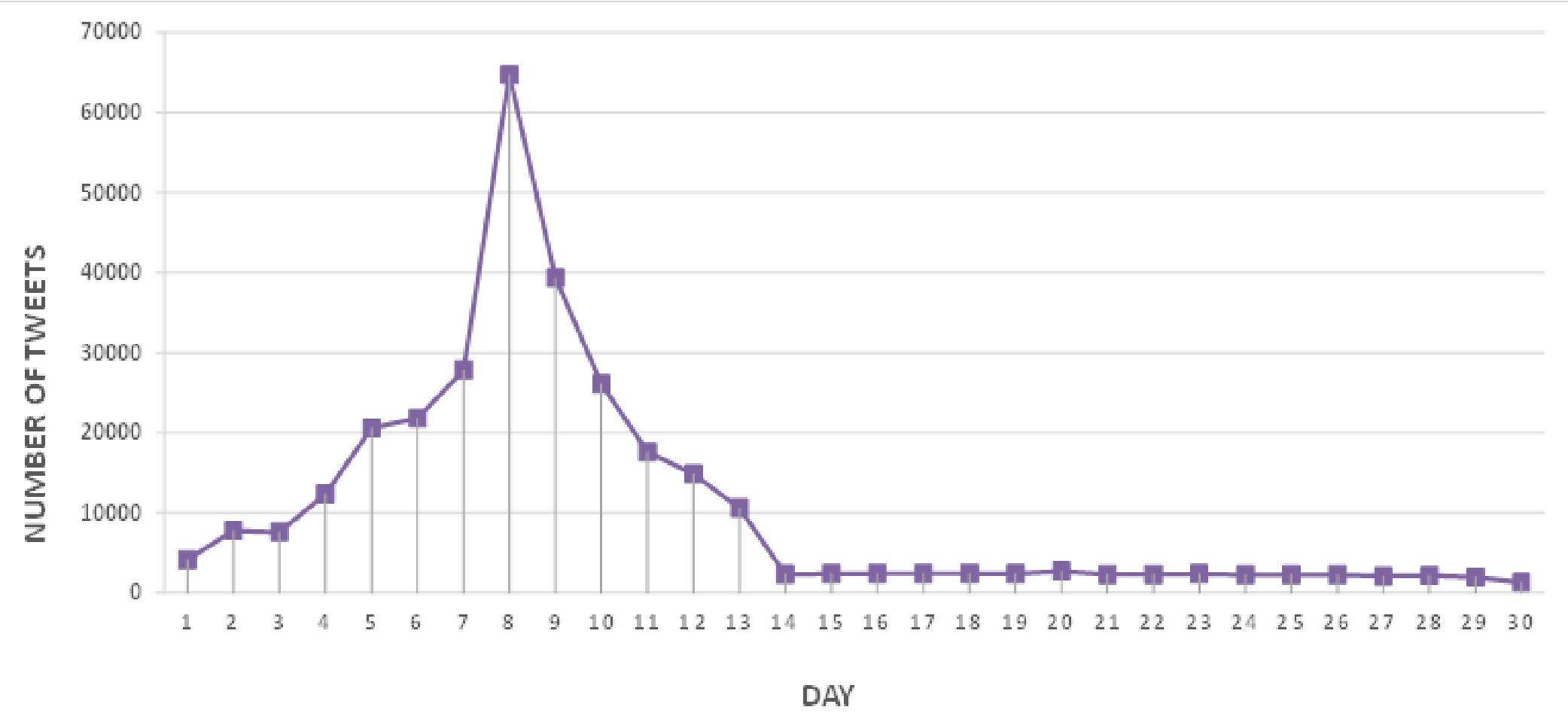
The frequency of tweets was not static. As shown in the temporal distribution, there was an exponential surge leading up to November 8th (Election Day). This confirms that marijuana usage is no longer just a lifestyle topic but a high-stakes political issue, as multiple states were voting on legalization simultaneously.
3. The Rise of the Bots
While 67% of posts came from mobile devices, a staggering 23.5% originated from automated third-party services. This indicates that a nearly a quarter of all marijuana "conversation" is scripted, primarily for product promotion and news dissemination.
Critical Analysis & Conclusion
This study successfully moves social media surveillance forward by proving that metadata is as informative as text content. By identifying that organizations use links to shape positive sentiment, the authors provide a filter through which public health agencies can distinguish between genuine public opinion and commercial propaganda.
Limitations: The study relies on a third-party sentiment tool which may struggle with the heavy use of slang and "offensive" terms common in urban vernacular, potentially misclassifying individual "pro-marijuana" tweets as negative just because they use profanity.
Future Outlook: For researchers and policy makers, the takeaway is clear: to understand the public’s relationship with cannabis, one must look at when they tweet (weekends and elections), how they tweet (automated vs. mobile), and where they lead their audience (external URLs).