
Telegram in Medical Education: More Than Just a Chat App?
Evaluating the educational usability of Telegram as an SNS in ESAP programs from medical students’ perspective
2018-05-04
Summary
Problem
Method
Results
Takeaways
Abstract
This study evaluates the educational usability of Telegram as a Social Networking Site (SNS) for medical students in English for Specific Academic Purposes (ESAP) programs. Using qualitative content analysis and the Framework Analysis Method, the research identifies critical technical, behavioral, and educational factors influencing the integration of instant messaging apps into higher education.
## TL;DR
While instant messaging is ubiquitous, its role in specialized medical education (ESAP) is a double-edged sword. This study explores how 98 medical students used Telegram to bridge the gap between classroom theory and 24/7 accessibility, revealing that while technology solves "access," it creates new "behavioral" hurdles like academic distrust and digital addiction.
## Background: Breaking the Classroom Walls
The shift toward Web 2.0 in education isn't just about moving content online; it's about leveraging the **Social Networking Site (SNS)** ecosystem to create a dynamic, peer-driven learning environment. In the context of Iranian medical education, Telegram has surfaced as the dominant platform, yet it operates in an "unofficial" capacity, often without faculty supervision.
## The Core Struggle: Convenience vs. Conduct
The research identifies a fundamental tension:
- **Technical Strength**: Students love the "anytime, anywhere" accessibility and the ease of data exchange.
- **Behavioral Weakness**: The ease of "copy-pasting" leads to dependence, cheating, and a general distrust of peer-shared information.

## Methodology: The Framework Analysis
The study used the **Framework Analysis Method** to categorize qualitative feedback from students. This involved three independent raters who clustered student "codes" into three high-level categories: Technical, Educational, and Behavioral.
### 1. The Merits (Why it works)
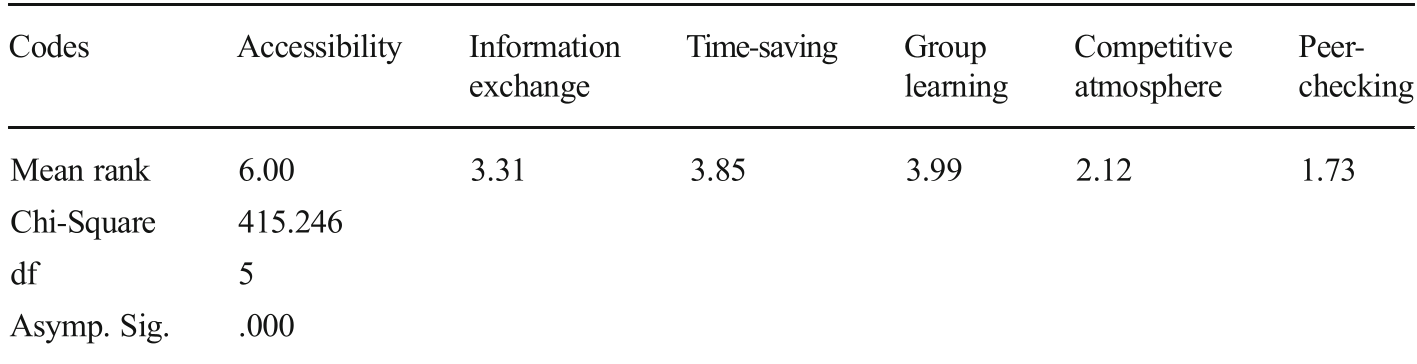
The most prominent merit was **Accessibility**. In a demanding medical curriculum, the ability to check ESAP (English for Specific Academic Purposes) assignments on a bus or during short breaks is invaluable.
- **Peer-checking**: Surprisingly, students valued the ability to have their work vetted by classmates before official submission.
- **Competitive Atmosphere**: Seeing others submit work created a "nudging" effect, encouraging passive students to engage.
### 2. The Demerits (The hidden costs)
The study didn't shy away from the dark side of SNS integration:
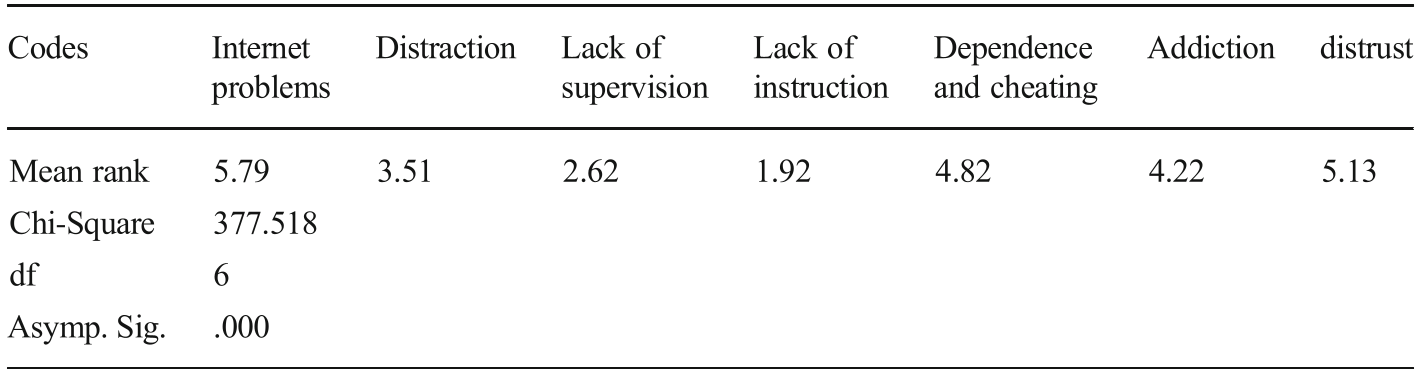
- **Distrust & Inaccuracy**: Students expressed skepticism about the accuracy of information shared by peers, noting that "wrong inputs may sneak into homework."
- **Digital Addiction**: Using personal messaging apps for school blurred the lines between study and social life, increasing the total time spent staring at screens.
## Results: A Statistical Reality Check
Using the **Friedman Test**, the researcher found statistically significant differences in how students prioritized these factors.
- **Technical Winner**: Accessibility (Mean Rank 6.00).
- **Behavioral Loser**: Distrust and academic dishonesty were cited as the most discouraging behavioral factors.
## Deep Insight: The Path to "Blended Learning"
The most critical takeaway from the student propositions was the need for **Teacher Involvement**. Students don't want the SNS to replace the teacher; they want the teacher to "join the group" to act as a moderator and a source of truth.
### Key Recommendations for Educators:
1. **Develop an Action Plan**: Don't just "start a group." Define who posts what and when.
2. **Hybrid Approach**: Use the SNS as a supplement to, not a replacement for, face-to-face instruction (Blended Learning).
3. **Ethical Codes**: Establish clear rules about plagiarism and the type of materials (audio-visual vs. text) allowed on the platform.
## Conclusion
Telegram and similar SNSs possess immense potential to "revitalize education." However, without a formal pedagogical structure, they risk becoming a source of distraction and academic laziness. The future of medical ESAP lies in a "Fine-tuned Action Plan" where technical accessibility is balanced by strict educational supervision and a healthy "culture of use."
***
**Academic Note**: This study highlights that while the *medium* (Telegram) is technical, the *success* of the medium is entirely behavioral and educational.