
Efficient Agricultural Data Management: A Big Data Evaluation Model based on Embedded Linux
An Evaluation Model of the Efficiency of Agricultural Information Resources Allocation in the Big Data Environment
This paper presents a novel evaluation model for Agricultural Information Resource Allocation Efficiency within a big data environment, leveraging an embedded Linux-based C/S architecture. By integrating regional grid clustering and adaptive game theory, the system achieves a high-efficiency quantitative assessment of resource distribution compared to traditional benchmarks.
TL;DR
This study introduces a high-performance evaluation model designed to optimize how agricultural information resources are allocated. By combining Big Data Distributed Storage Structures with Adaptive Game Methods, the research achieves a significant reduction in computational latency and a boost in allocation efficiency (reaching 0.994) compared to previous SOTA agricultural models.
Background: The Need for Speed in Agricultural Big Data
As national agriculture transitions toward digital management, the sheer volume of data generated (meteorological, soil, market, and logistical) creates a bottleneck. Prior works in resource evaluation often relied on heavy algorithms that resulted in "Evaluation Lag"—where the analysis took longer than the window for decision-making. The author's research intuition points toward a streamlined evaluation framework that balances mathematical rigor with hardware-level optimization via embedded systems.
Methodology: The Core Engine
The methodology is split into three sophisticated layers:
- Distributed Storage Modeling: Data is treated as a binary directed graph structure. This allows for linear constrained programming to minimize the cost of data retrieval.
- Big Data Mining & Adaptive Games: Instead of static analysis, the model uses quantitative regression and an adaptive game method. This treats resource allocation as a dynamic equilibrium problem, governed by mutual information entropy in high-dimensional phase space.
- Regional Grid Clustering: To classify diverse resources, the author employs an optimized Fuzzy C-Means (FCM) approach within a grid structure, facilitating faster autocorrelation feature matching.
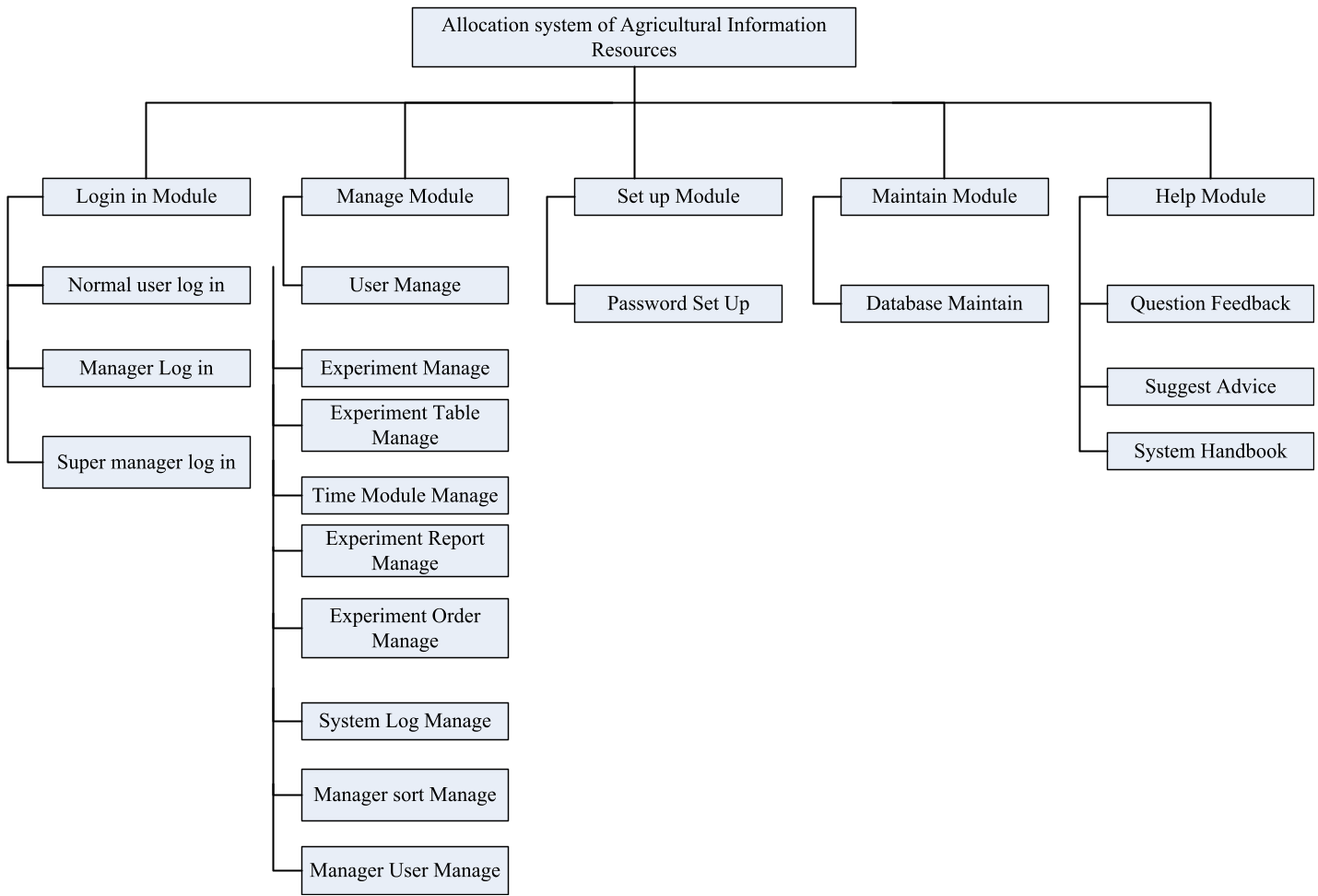 Figure 1: The C/S software architecture incorporating data processing, bus scheduling, and human-computer interaction modules.
Experiments & Results
The system was implemented using C/S client software on an embedded Linux platform. Key performance metrics were compared against established baselines (References [3] and [4] in the paper).
Efficiency and Convergence
The model reached an efficiency score of 0.994 within 400 iterations, consistently outperforming the comparison models which hovered around 0.92-0.93. More importantly, the convergence test (Fig. 5) showed the system stabilizes rapidly, indicating robust reliability for real-world deployment.
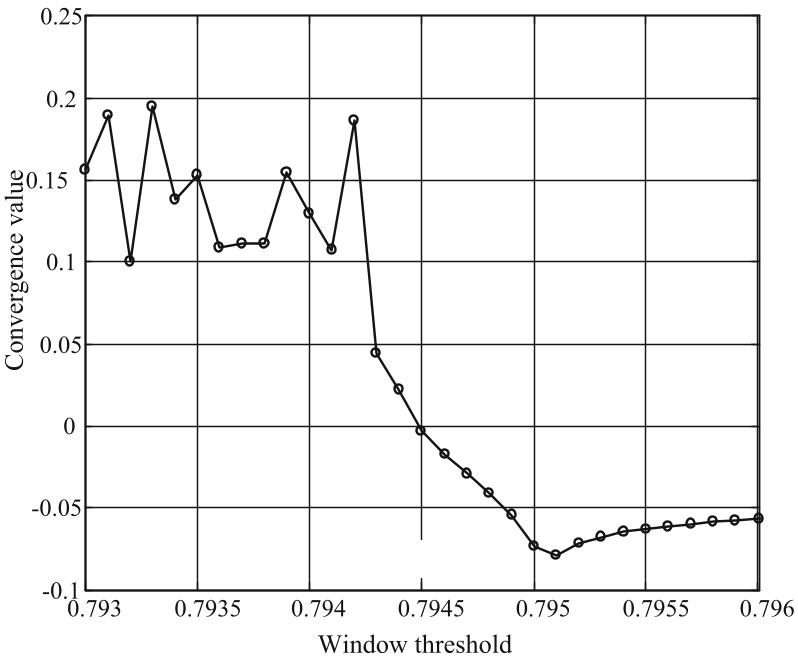 Figure 2: The system demonstrates superior convergence speed, essential for dynamic big data environments.
Latency Reduction
The most striking result is the calculation time. As illustrated in the paper's final charts, the proposed model's complexity is lower than traditional iterative models, significantly shortening the feedback loop for agricultural managers.
Critical Analysis & Conclusion
Takeaway
The value of this work lies in its Hardware-Software Co-design. By implementing the evaluation logic on an embedded Linux bus scheduling architecture, the author moves agricultural analysis from the abstract cloud closer to the "edge" where data is collected.
Limitations & Future Work
While the quantitative regression is effective, the paper does not deeply explore how the model handles highly unstructured data (like satellite imagery or real-time video). Future research could integrate Deep Learning encoders as the front-end for the grid clustering module to handle multi-modal agricultural inputs.
In conclusion, this model provides a reliable, fast, and highly interactive solution for the "Information Overload" problem in modern agriculture, shifting the focus from simply storing data to actively optimizing its value.