
The Voice Commerce Revolution: Decoding the Managerial "Black Box" of AI Assistants
The Evolution of Marketing in the Context of Voice Commerce: A Managerial Perspective
This paper explores "Voice Commerce" (v-commerce) from a managerial perspective, investigating how AI-powered voice assistants (VAs) like Amazon Alexa function as disruptive market mediators. The study utilizes a mixed-method inductive approach to uncover how VAs shift the consumer journey from visual browsing to auditory, automated decision-making, positioning the VA as a powerful new "middleman."
TL;DR
As smart speakers penetrate homes at record speeds, voice assistants (VAs) are evolving from simple tools into powerful market mediators. This research reveals that while managers see VAs as a disruptive opportunity, they also fear a "black box" future where brand visibility is throttled by sequential auditory interfaces and manufacturer-biased algorithms. The survival strategy? Moving from "searchable" to "memorable."
The Evolution of the Marketplace: From Shelves to Sound
The transition from physical retail to e-commerce hit brands hard, but the shift to Voice Commerce is radical. Unlike a web page that can display dozens of results, a voice assistant is a "Choice Architect." It typically presents one item at a time. This creates a winner-take-all environment governed by three matching logic types:
- Broad Match: You ask for "batteries." Alexa picks a default (often Amazon Basics).
- Exact Match: You ask for "Duracell." Alexa finds the specific brand.
- Automated Match: Based on your history, Alexa asks, "Should I reorder your usual?"
The Problem: Agency and the "Black Box"
The core tension identified by the authors is the Agency Relationship. Consumers trust VAs to reduce information overload, but VAs are multi-stakeholder agents. They serve the user, but also the retailer, the advertiser, and the manufacturer’s own private labels.
Managers are rightfully worried about:
- Reduced Visibility: "Beyond the third result, you're done."
- Data Asymmetry: Manufacturers like Amazon observe every step but may not share that granular data with brand owners.
- The Filter Bubble: Algorithms may lock consumers into a loop of repurchasing the same brand, making it nearly impossible for new challengers to break in.
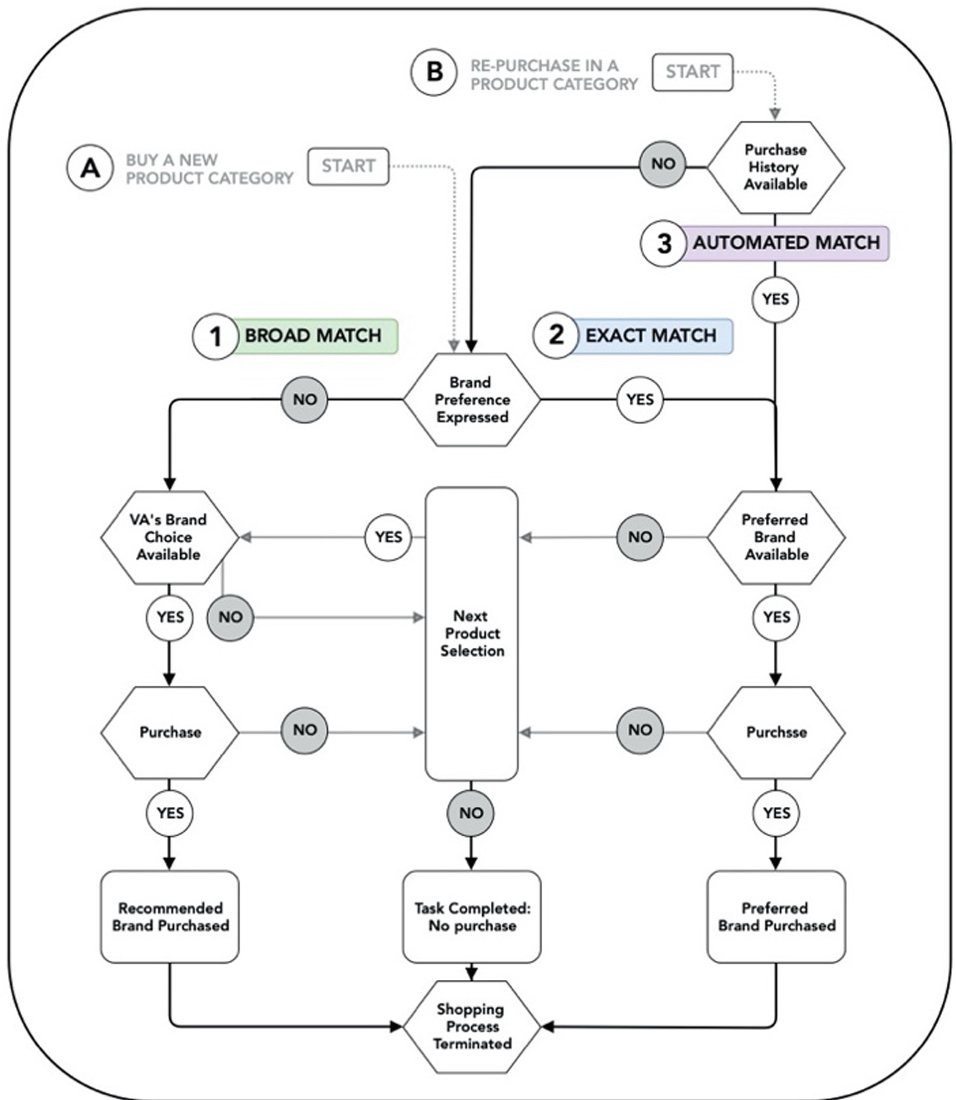 Figure 1: The sequential logic of Voice Assistant choice architecture.
Methodology: Insights from the C-Suite
The study’s backbone is an inductive "theories-in-use" approach. By interviewing 30 executives and surveying 62 managers, the researchers found a significant Experience-Optimism Correlation. Managers who actually shop via voice are far more urgent about the transition, viewing it as a short-term (1-3 year) tactical window to grab market share.
Meanwhile, "Consumer Goods" managers remain the most skeptical. They doubt the "Integrity" of VAs, fearing that "Benevolence" (the bot acting in the user's interest) is secondary to the manufacturer's profit margins.
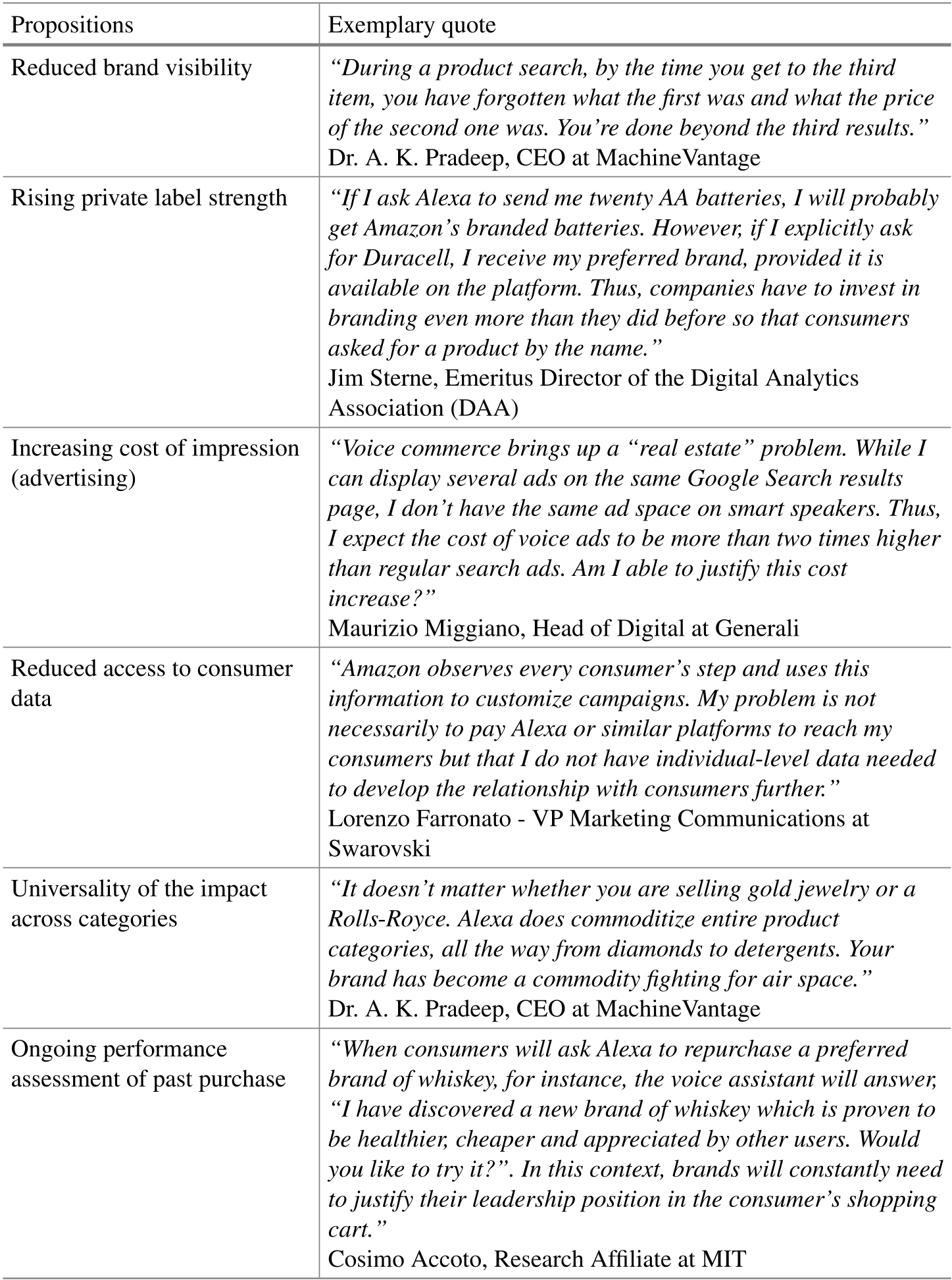 Table 1: Key managerial concerns including rising advertising costs and commoditization.
Experimental Analysis: The Impact on Choice
The survey highlights a consensus: voice commerce reduces the consideration set size. 81% of managers see a risk that users will stop looking for alternatives. This leads to "Brand Polarization." If you are the default, you win big; if you aren't, you don't even exist in the auditory space.
Furthermore, 68% of participants believe VAs reduce a user's probability of switching brands. Once the "Automated Match" is set, the friction of switching to a competitor is too high for the average consumer to bother with.
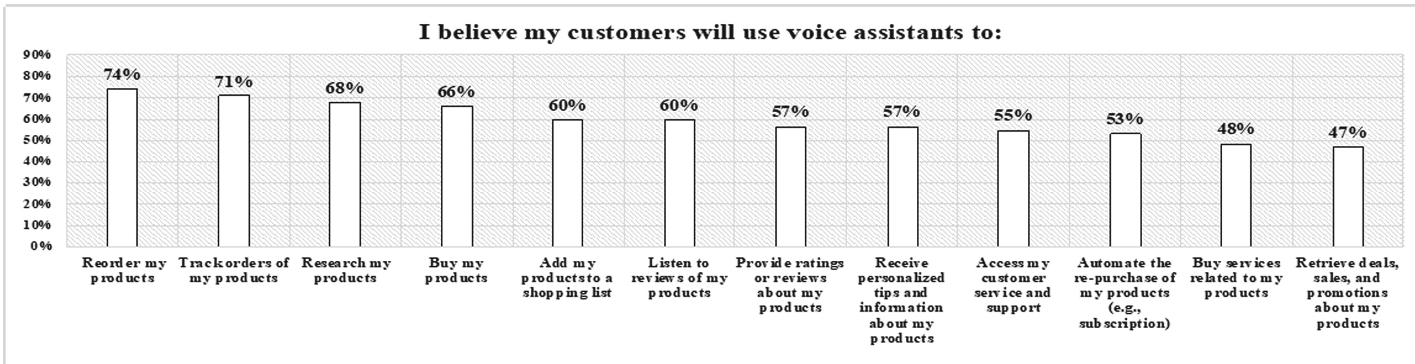 Figure 2: Managers expect reordering and order tracking to dominate voice usage.
Critical Insight: The Return of Traditional Branding
The most paradoxical take-away is that the high-tech era of AI requires low-tech brand building. Because voice searches lean toward "Exact Match" to bypass generic defaults, brands must invest in awareness outside the VA ecosystem.
To survive the "Voice-First" era:
- Direct-to-Consumer (DTC): Brands must own their own data to avoid being held hostage by the VA "Black Box."
- Voice Optimization: Just as SEO dominated the 2010s, "Voice Search Ranking" will dominate the 2020s.
- Brand Salience: If a consumer doesn't remember your name when speaking to Alexa, you are at the mercy of the algorithm's private-label bias.
Conclusion
Voice assistants are not just another sales channel; they are Relational Mediators. For managers, the urgency is clear: direct experience with the technology is the best predictor of strategic readiness. As the market shifts toward automation and subscription-based "silent" shopping, the brands that win will be those that consumers remember to ask for by name—before the machine decides for them.