
Open CAI 2.0: Synchronizing TRIZ and Collective Intelligence for the Next Era of Innovation
Expert Systems With Applications
This paper introduces an information-based software framework that integrates Collective Intelligence (CI) with the TRIZ theory (Theory of Inventive Problem Solving). It proposes the "Open CAI 2.0" paradigm to transform Computer Aided Innovation from closed, individual systems into open, collaborative social environments for conceptual design.
TL;DR
Innovation is no longer a solitary "Eureka" moment but a social orchestration. This paper presents a framework for Open Computer Aided Innovation (Open CAI 2.0), merging the systematic rigors of TRIZ (Theory of Inventive Problem Solving) with the power of Collective Intelligence (CI). By moving beyond closed software, the authors demonstrate how a decentralized, web-based community can systematically solve complex engineering contradictions that baffle individual designers.
The Innovation Bottleneck: Individual vs. Systematic
Historically, conceptual design—the most critical phase of product development—has been a "black box" of individual creativity. Traditional methods like brainstorming or trial-and-error suffer from two fatal flaws:
- Randomness: They lack a repeatable, logical path to a solution.
- Cognitive Isolation: Solutions are limited by the specialized knowledge of the person in the room.
While the TRIZ theory successfully systematized the process of invention by studying millions of patents, it remains notoriously difficult to learn and often leads to "knowledge loss" within organizations. On the flip side, Open Innovation platforms like InnoCentive prove that "crowds" can provide solutions, yet they often lack the structured methodology required to build complex technical systems collaboratively.
Methodology: The Architecture of Collective Genius
The authors propose a hybrid engine: TRIZ-CBR + CI Components.
1. The Logic Engine: TRIZ-CBR
At the core lies the TRIZ-CBR model. When a user presents a problem, the system doesn't just ask for ideas; it forces a formalization of Technical Contradictions.
- The CBR (Case-Based Reasoning) Module: It indexed previous successful solutions. If a similar problem exists in the database, the system retrieves it using a Nearest Neighbor algorithm.
- The Inventive Module: If the case is new, the system leverages the TRIZ Contradiction Matrix to provide high-level "Inventive Principles" (e.g., Segmentation, Extraction, Uniformity).
2. The Social Engine: Collective Intelligence
To prevent the "closed loop" problem, the framework utilizes Web 2.0 features to create a Social Space for Innovation.
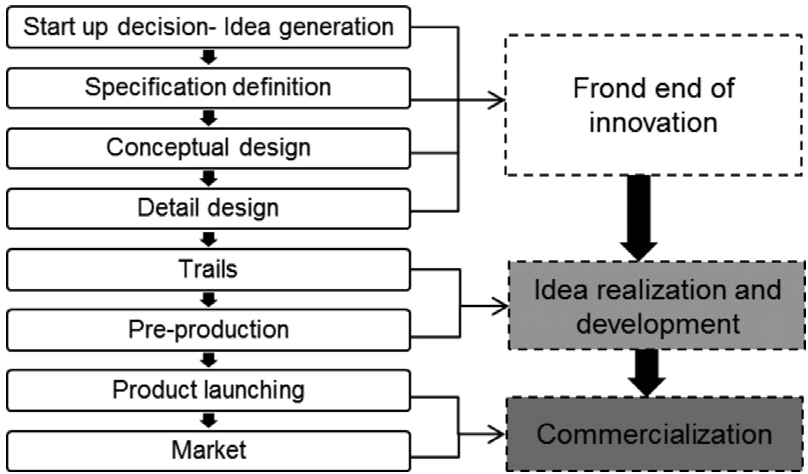 Fig 7: Core components of the Open CAI framework, showing the interaction between the resolution process, participation mechanisms, and knowledge capitalization.
Key CI features include:
- Folksonomies: Using tags to create a flexible, user-generated classification of projects.
- Asynchronous Collaboration: Allowing experts across different time zones to contribute to a shared logical model.
- Semantic Integration: Using Linked Open Data (LOD) to enrich the problem context from external patent databases and repositories.
Experimental Validation: Rapid Heat Ablation (RHA)
The authors tested their platform on a real-world manufacturing challenge: reducing the "Heat-Affected Zone" (HAZ) in the cutting of polystyrene foam.
The Problem: Cutting foam creates high temperatures that damage the material's integrity. To cut faster (Positive Characteristic), you usually need more heat, which destroys more material (Negative Characteristic).
The Result: Participants from three different countries used the platform to formulate a physical contradiction. While previous work (Kim et al.) focused on "Separation in Space" (using grooved tools), the collective effort using the Open CAI platform converged on the "Dynamics" principle.
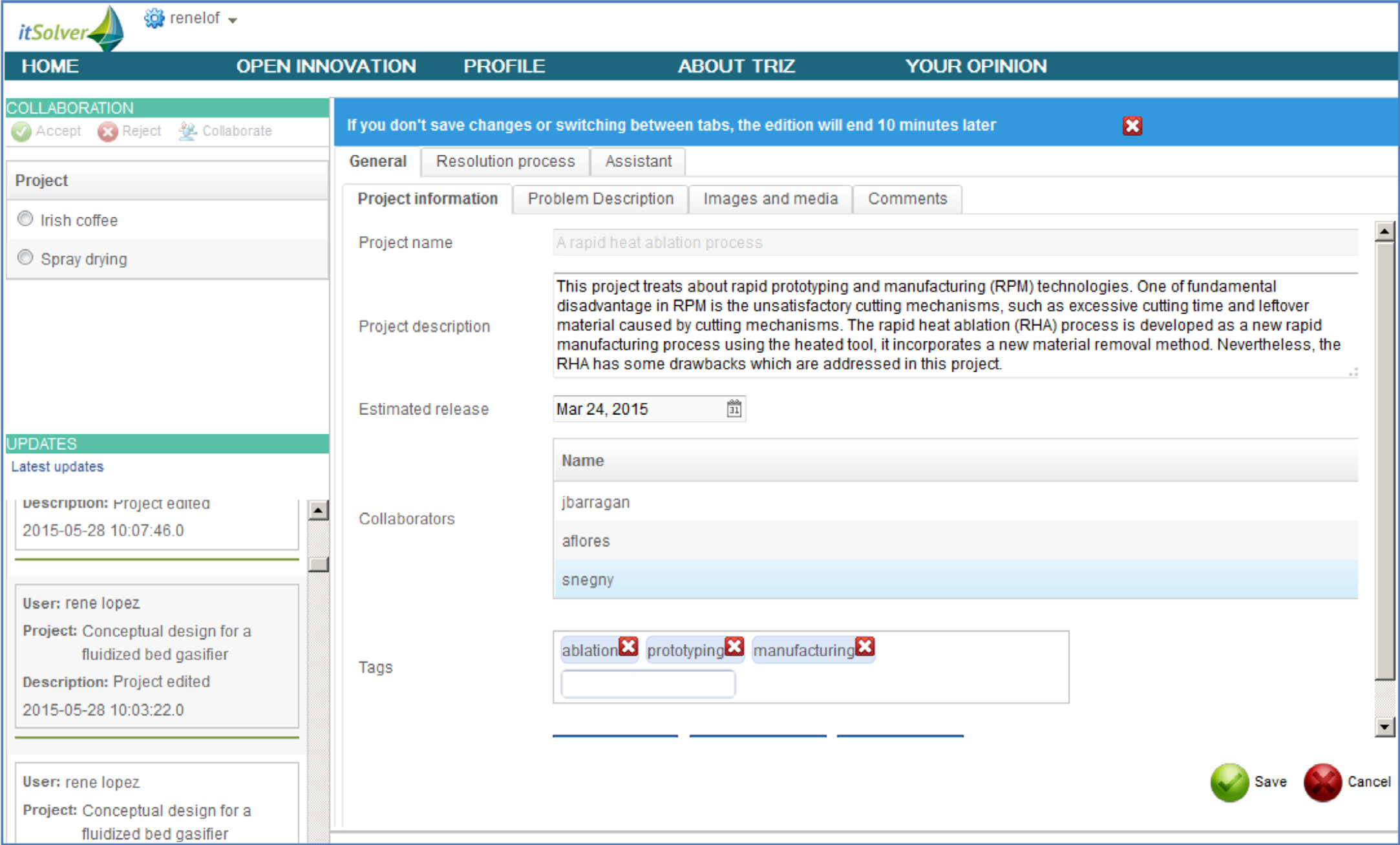 Fig 14: The solution proposed via the framework, utilizing space separation and dynamic motion to minimize heat transfer damage.
Deep Insight: Why This Matters
The shift from CAI 1.0 (individual software) to Open CAI 2.0 (social ecosystem) represents a fundamental change in Inductive Bias. In the old model, the software was a tool for the expert. In the 2.0 model, the software is a mediator that facilitates a "Network Effect."
The real value of this work lies in the democratization of TRIZ. By providing a structured interface and a voting system, the framework lowers the barrier to entry for non-practitioners, allowing "weak links" (external participants with diverse backgrounds) to provide the missing piece of the puzzle that local experts might overlook due to "psychological inertia."
Conclusion & Future Outlook
The "Open CAI 2.0" framework is a significant step toward an Evolutionary Design Environment. However, the authors admit to existing limitations: the reliance on participant motivation and the difficulty of filtering the "noise" in large-scale crowdsourcing.
Moving forward, the integration of Natural Language Processing (NLP) to automatically extract technical contradictions from free-text descriptions will be the "Holy Grail" of this field. This work lays the cornerstone for a future where the next great invention isn't born in a lab, but emerges from the structured, collective noise of the global digital community.