
Visualizing the Human Heritage: A New Frontier in Medical Family Tree Mining
Exploring Medical Family Tree Data Using Visual Data Mining
This paper proposes a Visual Data Mining (VDM) framework tailored for Medical Family Tree data to identify hereditary disease patterns. It integrates automated data mining algorithms with human-centered visualization techniques to predict health risk factors.
TL;DR
Understanding your family’s medical history is more than just a trip down memory lane—it’s a critical tool for preventive medicine. This paper outlines a framework for Visual Data Mining (VDM) that transforms complex, branch-by-branch medical family trees into interactive visual models. By combining the computational power of data mining with the intuitive insight of medical professionals, the proposed system identifies genetic risks for chronic diseases like cancer and diabetes more effectively than automated systems alone.
Background: The Hidden Signals in Genealogy
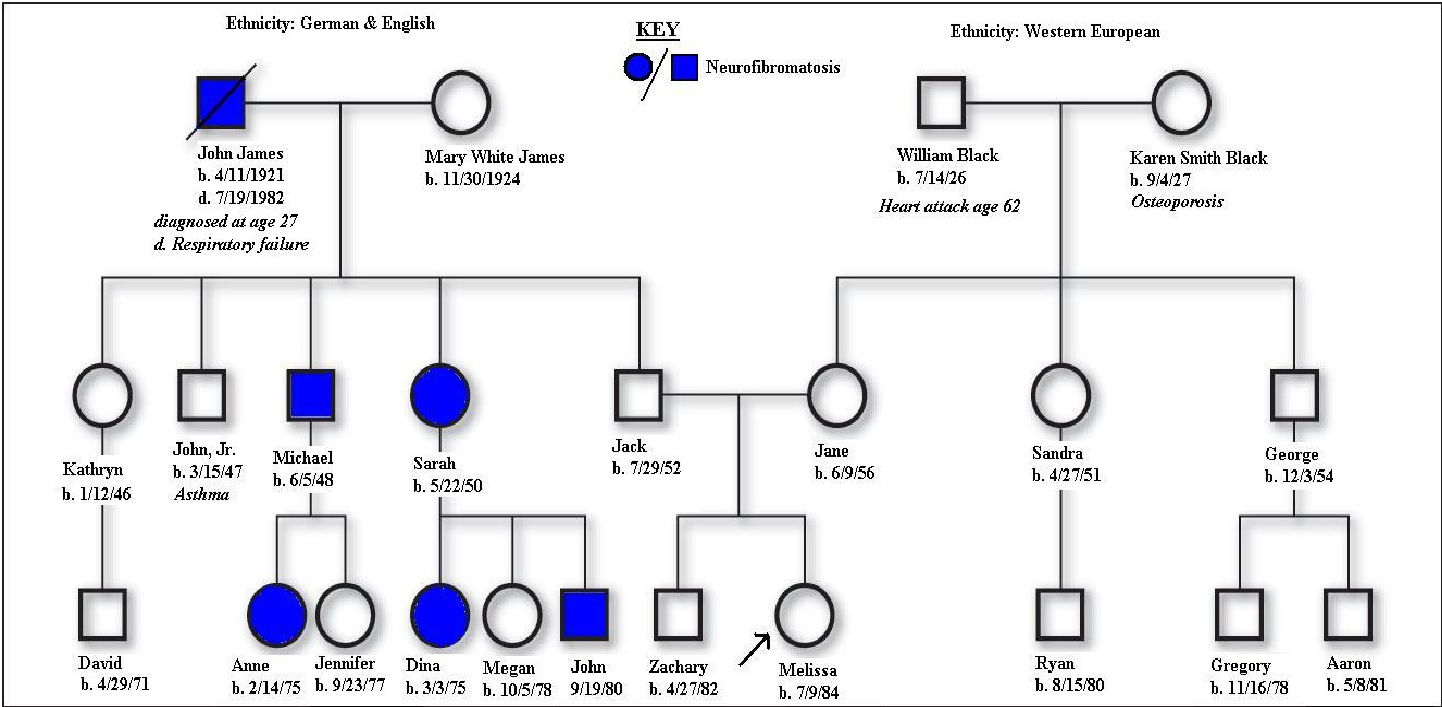
A medical family tree is a rich repository of genetic, environmental, and lifestyle data. However, as these trees grow in complexity, "making sense" of the data manually becomes impossible. The core challenge lies in shifting from a passive record to an active diagnostic tool. Traditional data mining often acts as a "black box," providing results without context. The authors argue that the human element is indispensable for uncovering subtle trends in familial illness.
The Core Methodology: Bridging Algorithms and Intuition
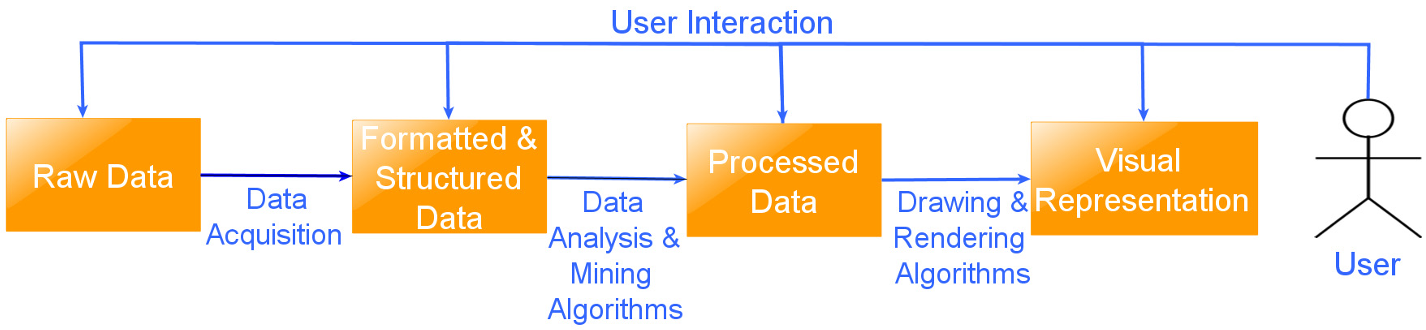
The researchers propose a pipeline that moves from raw data extraction to interactive knowledge acquisition.
1. The Visualization Pipeline
The process begins with raw data processing, followed by the creation of a visual representation that allows for direct user interaction. This "loop" ensures that healthcare professionals can adjust exploration goals on the fly.
2. Handling Tree Structures
Medical history is inherently hierarchical. The paper discusses utilizing specific tree-visualization techniques to handle computational limits and "screen real-estate" issues, including:
- Treemaps and Hyperbolic Trees: To display large-scale family networks without clutter.
- Evolutionary Computing: Used to highlight optimal solutions for risk factor contributions in populations affected by specific conditions, such as breast cancer.
Research Objectives and Architecture
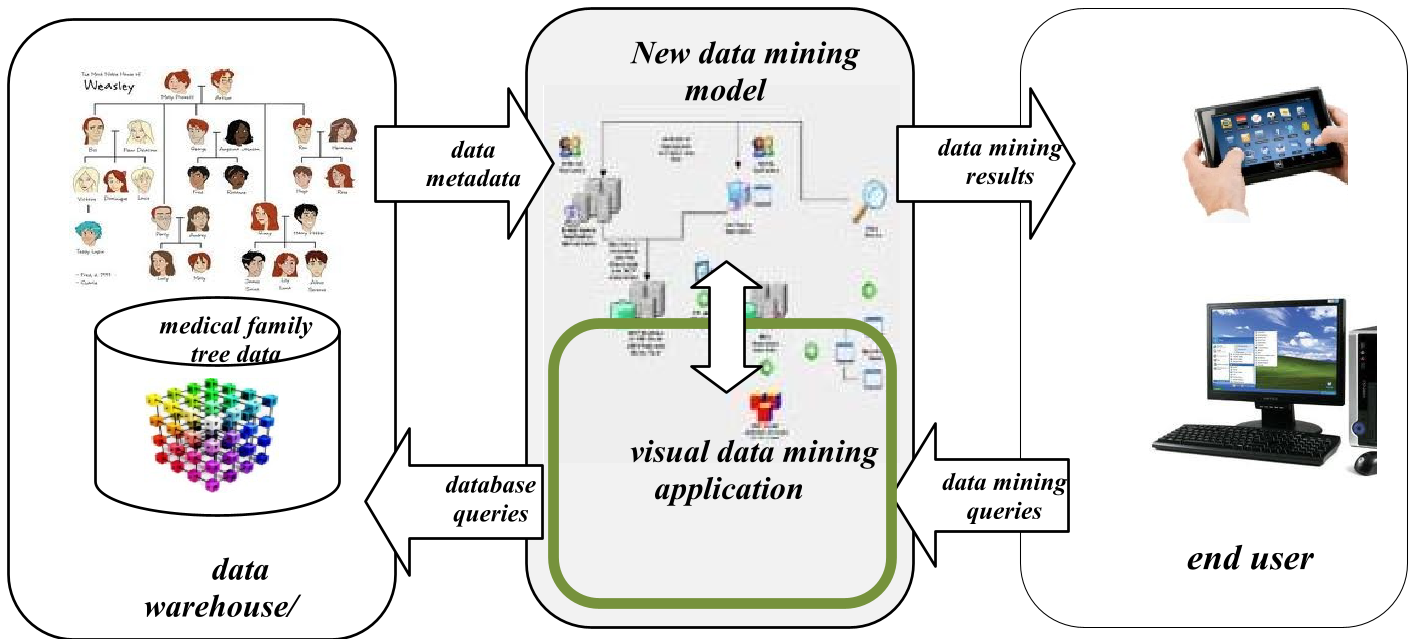
The primary goal is the design of an application architecture that bridges the gap between a data warehouse and the clinical end-user. The proposed architecture relies on a specialized schema that processes queries and outputs metadata-driven results, allowing doctors to see specific medical problems associated with specific branches of a family tree.
Deep Insight: Why Visualization Matters
Beyond just "looking good," visualization serves as a cognitive scaffold. In medical genetics:
- Pattern Recognition: Humans are naturally better at spotting anomalies in visual layouts than in spreadsheets.
- Hypothesis Generation: A doctor might notice a recurring age-of-onset pattern for stroke across three generations that an algorithm might dismiss as statistically insignificant due to a small sample size.
- Decision Support: It provides a "why" for recommending invasive screenings like colonoscopies at an earlier age.
Future Outlook and Limitations
While the framework is robust, the authors acknowledge challenges regarding data scarcity and duplication in medical records. Future work will focus on evaluating the framework against established benchmarks and finalizing the interactive application.
Ultimately, this research moves us closer to a future where "knowing your roots" is not just about ancestry, but about precise, life-saving medical foresight.