
Facebook as a Strategic Interface: Revolutionizing External Communication in Education
Facebook Interface in External Communication. Case: Educational Peruvian School, 2020
The paper investigates the impact of Facebook as a primary external communication tool for an educational institution in Peru. By employing a qualitative focus group and interview approach, it identifies that Facebook’s interface serves as a critical bridge for public relations, engagement with parents, and student recruitment.
TL;DR
This study analyzes how an educational institution in Peru leveraged the Facebook interface to transcend traditional communication barriers. By focusing on digital competence and brand prestige, the school transformed its social media presence into a high-impact tool for PR and stakeholder engagement, proving that social networks are now indispensable for institutional survival.
The "Notoriety" Gap: Why Schools Fail to Connect
In the educational sector, communication is often treated as an afterthought or a purely administrative task. The paper highlights a common pain point: many schools do not grant institutional communication the strategic importance it deserves. This leads to a lack of "notoriety"—the ability to make a school’s values and services known to the public.
The authors argue that the shift from traditional media to digital interfaces is not just a trend but a necessity for survival in a competitive academic market.
Methodology: Beyond the Screen
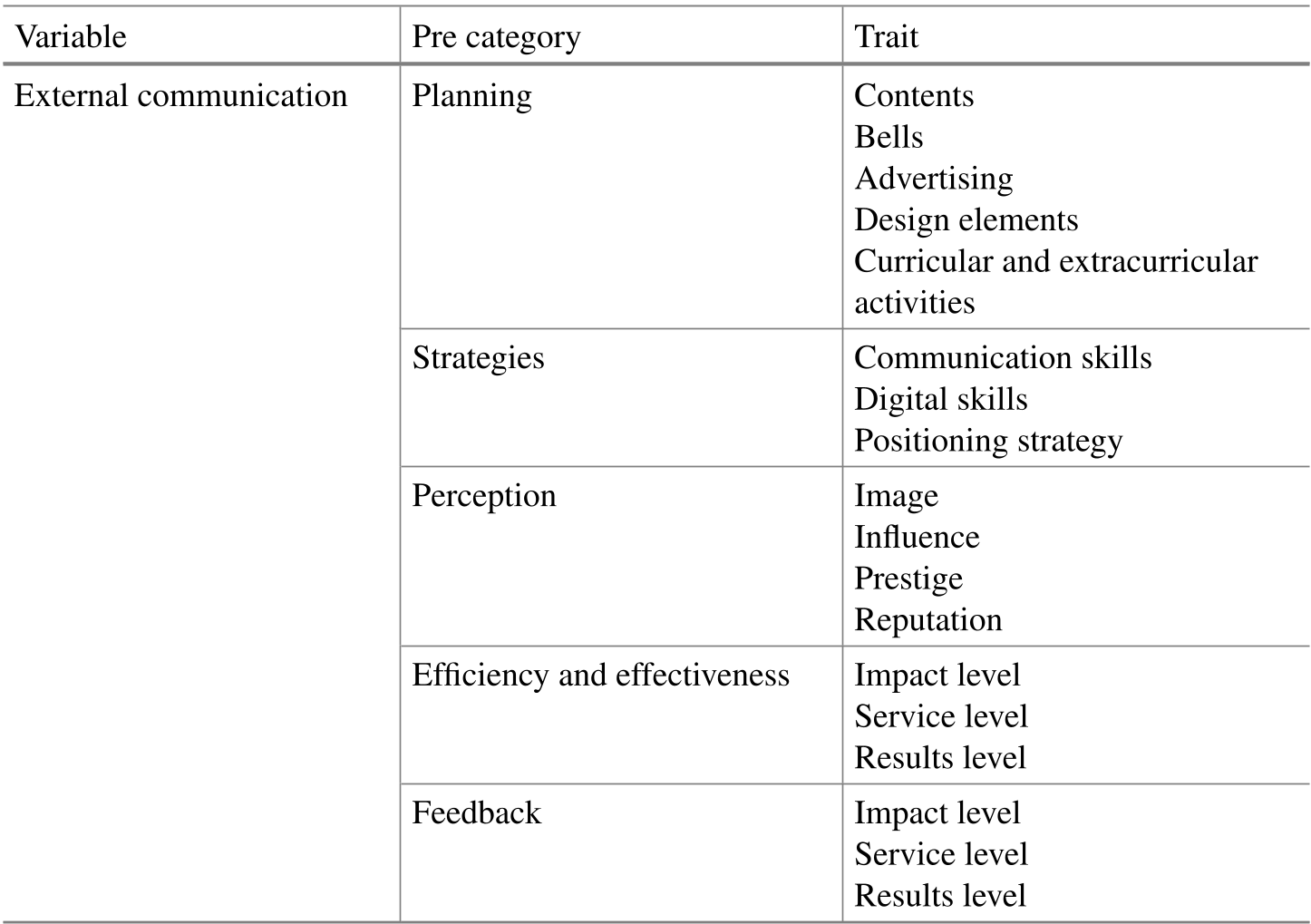
The researchers dived deep into the user experience of 500 potential stakeholders, selecting a qualitative sample to understand the why behind Facebook's dominance. They categorized the variables of external communication into planning, strategies, perception, and feedback.
Core Insight: The Three Factors of Influence
The study identifies that Facebook’s effectiveness isn't accidental. It rests on three pillars:
- Digital Competence: The platform’s ubiquity and ease of use across generations (from Gen Z students to Gen X parents).
- Prestige: The consolidated image and reputation the network grants to the institution.
- Impact: The immediacy and quality of service provided by the interface’s interactive features.
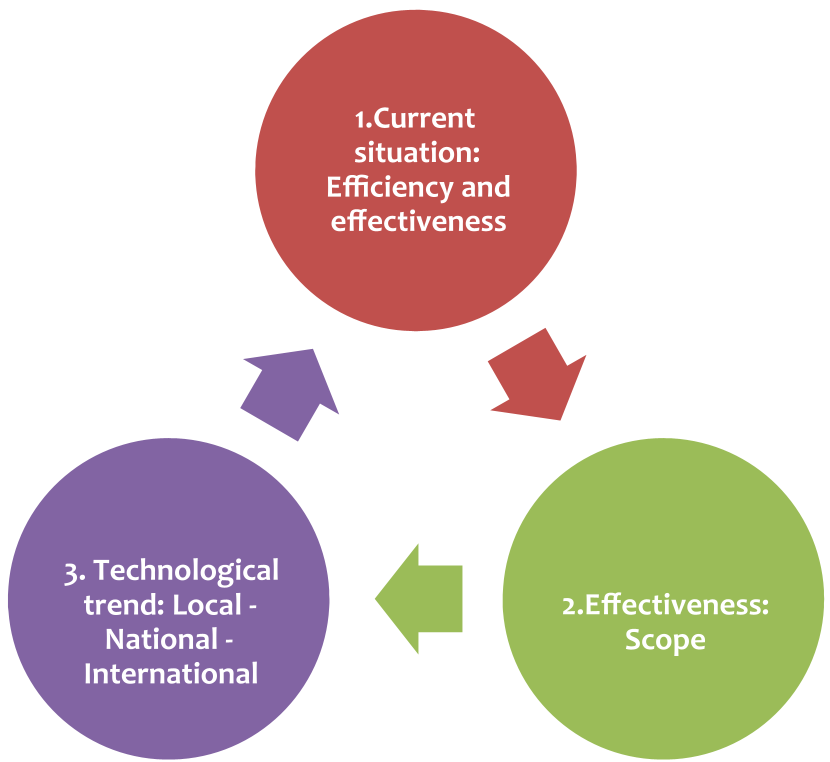
Experimental Findings: A High-Octane PR Tool
The results were conclusive: the level of importance of Facebook for external communication is "very high." Participants noted that the platform provides not just entertainment but critical real-time information.
Key quantitative takeaways from the qualitative analysis:
- Efficiency: Information diffusion is instantaneous compared to traditional brochures.
- Sectorization: The ability to target specific niches (e.g., parents of high school seniors) far exceeds traditional marketing.
- Behavioral Influence: Social media opinions significantly outweigh traditional advertising in influencing enrollment decisions.
Critical Analysis & Conclusion
While the paper confirms Facebook's dominance in 2020, it also points out a significant limitation: The Human Bottleneck. Despite having the tool, the institution’s PR was managed by a single professional, leading to gaps in strategy execution.
Future Outlook: For researchers and practitioners, the challenge is no longer "being" on social media, but optimizing the design strategies and feedback loops. The paper suggests that future success depends on moving beyond "corporate colors" and focusing on interactive content that generates genuine participation.
As we move further into a multi-screen era, the institutions that treat their Facebook interface as a strategic digital identity—rather than a bulletin board—will be the ones that secure institutional loyalty.