
Faceteq: Bridging the Emotional Gap in Virtual Reality via EMG Sensing
FACETEQ; A novel platform for measuring emotion in VR
Faceteq v.05 is a wearable sensor platform integrated with VR Head-Mounted Displays (HMDs) that measures facial expressions and biometrics via Electromyography (EMG). Developed by Emteq Ltd., it achieves high-fidelity emotion tracking without cameras, providing real-time data streaming to game engines like Unity3D.
TL;DR
Faceteq is a groundbreaking wearable platform designed to solve the "blind spot" in VR: the user's face. By integrating high-speed dry EMG sensors directly into VR headsets, it captures facial muscle activity at 1000Hz, enabling real-time emotion recognition and "fourth-generation" VR interaction where the digital world responds to how you feel, not just where you look.
The Problem: The VR "Mask" and the Speed of Emotion
The current state of VR interaction is largely physical—moving your head (1st gen), using your hands (2nd gen), or tracking your eyes (3rd gen). However, the most expressive part of human communication—the face—is physically covered by the Head-Mounted Display (HMD).
Previous attempts to solve this used cameras tucked under the mask, but they face significant challenges:
- Occlusion: The proximity of the lens and hardware makes it hard to see the whole face.
- Latency: Standard cameras operate at 30-60 fps, missing "micro-expressions."
- Subtlety: Cameras see movements after they happen; they cannot sense the underlying muscle tone or "micro-gestures" that occur before a full expression forms.
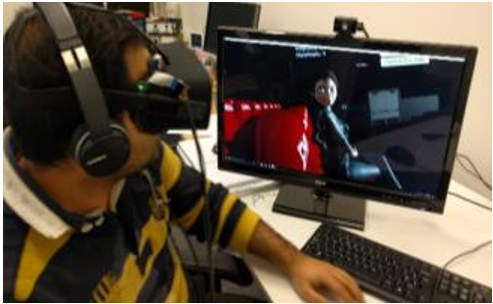 Figure 1: Faceteq v.05 integration with a commercial HMD.
Methodology: High-Fidelity Bio-Sensing
The Faceteq v.05 prototype moves away from optical sensing entirely. Instead, it uses Electromyography (EMG).
1. Dry Sensor Technology
Unlike clinical EMG that requires messy conductive gels and skin preparation, Faceteq uses patented dry sensors. These are integrated into the foam cushioning of the VR mask, making contact with the skin automatically when the user puts on the headset.
2. Multi-Modal Data Fusion
The platform doesn't just track muscle; it creates a holistic view of the user's "Arousal and Valence" (the two pillars of emotion):
- EMG (1000 samples/sec): Captures muscle contractions for joy, anger, or disgust.
- PPG (Pulse Rate): Measures heart rate variability to determine emotional intensity (arousal).
- 9DOF IMU: Tracks head movement and posture to correlate body language with facial expression.
3. Real-Time Pipeline
The data is processed through proprietary algorithms and streamed live via an API into Unity3D, allowing developers to create avatars that mirror the user's face with near-zero latency.
Experiments and Interaction Paradigms
The authors showcased three primary use cases that demonstrate the versatility of affective VR:
- Virtual Mirroring: A digital avatar that reflects facial expressions instantly, essential for social VR and empathy-building.
- Expression as Input: Using a "smile" or a "frown" to interact with social media emoticons or navigate menus—a major win for accessibility/assistive tech.
- Passive UX Analytics: A "Virtual Cinema" where the system records biometric reactions to content, allowing creators to see exactly which movie scene triggered genuine surprise or boredom.
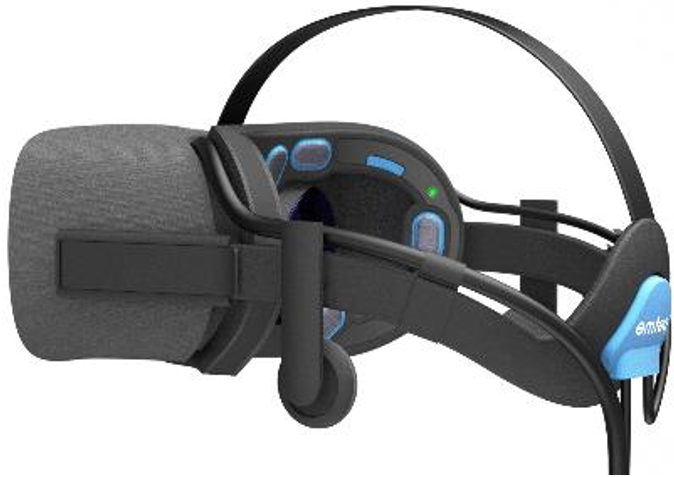 Figure 2: Real-time avatar mirroring and expression-based UI components.
Critical Insight: The "Fourth Generation" of VR
The most profound takeaway from this work is the classification of VR input generations. By moving to Affective Interaction, we transition from a user "operating" a machine to a machine "understanding" a user.
Limitations and Future Path
While Faceteq v.05 is a massive leap, it acknowledges challenges in cross-user calibration. Facial muscle structure varies slightly between individuals, meaning a brief calibration phase is still required. The next frontier involves applying Machine Learning (AI) to these EMG signals to allow for "zero-calibration" emotion recognition.
Conclusion
Faceteq isn't just a sensor; it’s an emotional bridge. For healthcare (Autism, PTSD), gaming (dynamic difficulty), and social interaction, the ability to read the face behind the mask is the "holy grail" of immersive technology.