
Personalized Affective Computing: Syncing EEG Traits with Digital Avatars
Facial Expression Emotion through BCI-based Personal Traits and Emotion Classification
The paper introduces an intelligent HCI framework that classifies personal traits and emotional states using EEG-based biometric signals. By integrating a Fuzzy Logic controller for personality assessment and a Support Vector Machine (SVM) for emotion recognition, the system generates customized 3D facial expressions that adapt in intensity based on the user's specific psychological profile.
TL;DR
Researchers have developed a system that reads your brainwaves (EEG) to determine not just what you are feeling, but who you are. By combining Fuzzy Logic for personality traits and SVM for emotion classification, the system drives 3D facial expressions that reflect the subtle differences in how an introvert versus an extrovert displays happiness or anger.
Personality: The Missing Variable in HCI
In the realm of Human-Computer Interaction (HCI), most systems treat "Emotion" as a universal constant. If the system detects "Joy," it triggers a standard smile. However, humans are more complex. An introvert’s "High Joy" might look like an extrovert's "Mild Contentment."
The core motivation of this paper is to solve the masking habit of verbal/visual cues and the lack of individuality in current digital interfaces. By using EEG signals—which are harder to fake and respond faster than peripheral nervous signals—the authors aim to create a more objective and personalized digital reflection of the human state.
Methodology: From Brainwaves to Muscle Contractions
The system architecture follows a sophisticated pipeline from raw signal to 3D animation:
1. The EEG Fuzzy Model (Trait Classification)
The authors utilize the power spectrum of Alpha (α) and Beta (β) bands. Interestingly, they found that extroverts (E) and introverts (I) exhibit distinct power averages (e.g., Extroverts showed higher Alpha values ~51.5 in the C3/C4 positions).
- Input: Alpha and Beta intensities.
- Logic: A Rule-based Fuzzy Inference Engine (using 9 distinct rules).
- Output: An "Expression Rate" (0-100%) that scales how intense a facial expression should be.
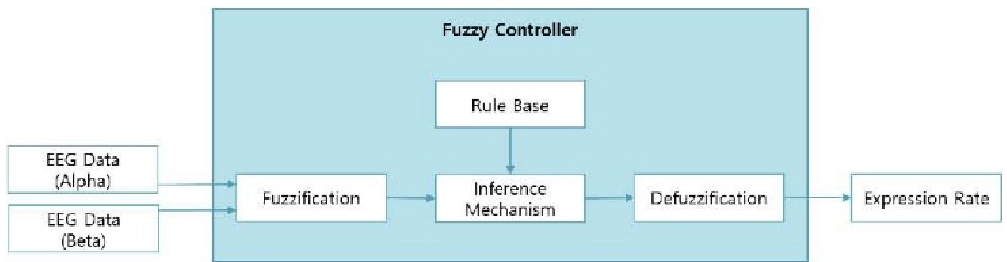 Figure 1: The overall workflow from EEG acquisition to Facial Emotion Generation.
2. Emotion Recognition via SVM
To identify specific emotions, the team used the absolute value of the differential coefficient of EEG data. This tracks the instantaneous rate of change in brain activity.
- Features: Focused on channels F4 and T4 for maximum clarity.
- Algorithm: Support Vector Machine (SVM) with k-fold cross-validation.
- Classification: Innocent, Happiness, Surprise, and Anger.
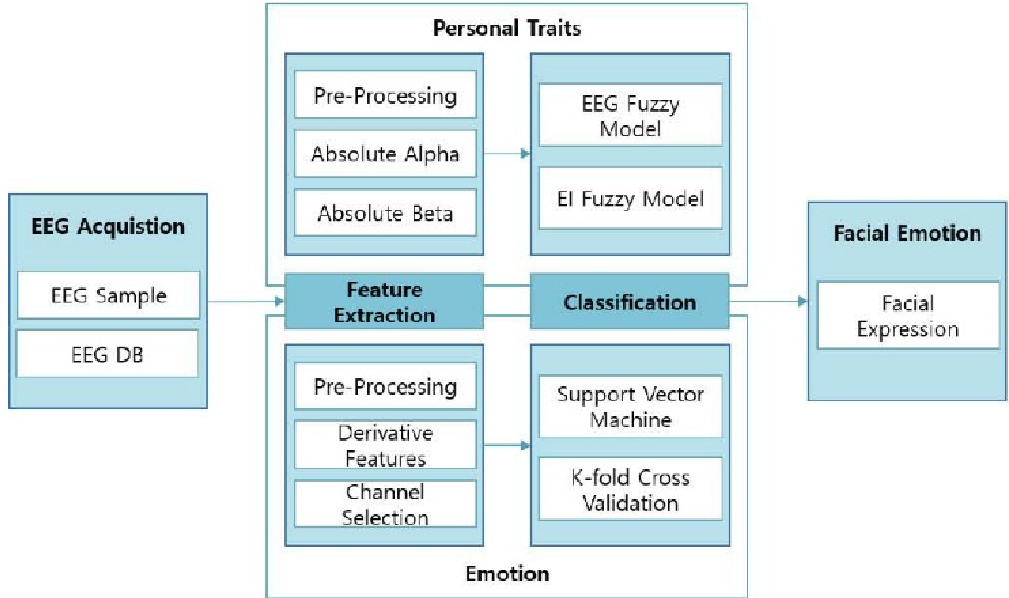 Figure 2: The Fuzzy Model logic used to map EEG data to Personality Traits.
Experiments and Results
The experimental results validate that the system is highly effective at recognizing "high-arousal" positive states:
- Happiness Accuracy: 89.17%
- Surprise Accuracy: 86.67%
- Anger Improvement: Initially low, but by using a hierarchical classification approach (ruling out "innocent" first), the accuracy rose to 66.67%.
A fascinating discovery in the mapping phase was the "Fear Exception": While most emotions saw higher expression rates in extroverts (VE), the "Fear" emotion actually showed higher intensity markers in introverted subjects (VI).
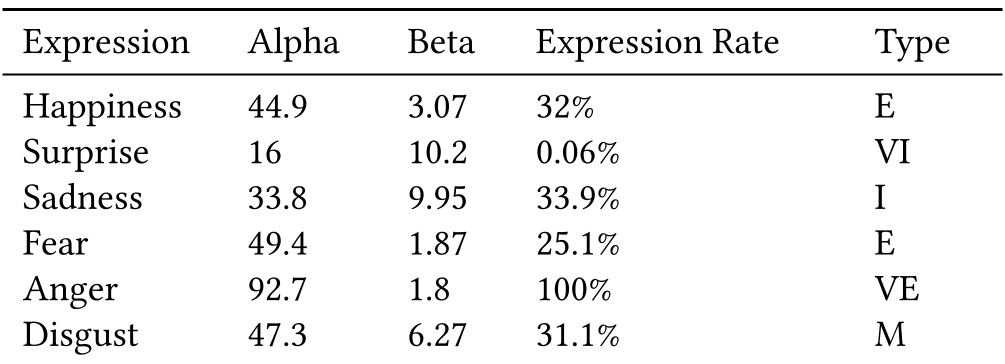 Table 1: Example of how different emotions map to Expression Rates and Personality Types.
Critical Insight: Why This Matters
This paper shifts the focus from Emotion Detection to Emotion Translation. By acknowledging that a 3D avatar should move its facial muscles differently based on the user's inherent personality, the authors have provided a blueprint for more empathetic and realistic AI agents.
Limitations & Future Work
- Emotion Breadth: Currently, the system only excels at four states. Expanding this to subtle "secondary" emotions (like guilt or pride) remains a challenge.
- Hardware Constraint: Using 10-20 system electrode kits (like BIOPAC MP 150) is not yet feasible for consumer-grade tech.
- Future Path: The integration of this trait-based logic into VR/AR environments could revolutionize how we interact in metaverses, allowing our avatars to truly "wear" our personalities.
Conclusion
By bridging the gap between physiological data and psychological traits, this work moves HCI into the era of Individualized Emotional Computing. It’s no longer just about the computer understanding that you are happy, but understanding how YOU are happy.