
FCM: Bridging Semantic Ontology and Decision Trees for Precise Crowd-Sensing
FCM: A Fine-Grained Crowdsourcing Model Based on Ontology in Crowd-Sensing
This paper introduces the Fine-grained Crowdsourcing Model (FCM), an ontology-based framework designed to optimize service provider selection in Mobile Crowd-Sensing (MCS). It integrates an ontology triple structure with a hybrid recommendation engine comprising similarity analysis and service decision trees for precise task assignment.
TL;DR
The Fine-grained Crowdsourcing Model (FCM) is a novel framework designed to solve the "matching problem" in Mobile Crowd-Sensing (MCS). By utilizing Ontology Theory to define user profiles and a Service Decision Tree to predict provider suitability, FCM achieves higher recommendation accuracy and lower computational latency compared to existing genetic algorithms like CoDiGA.
Background: The Heterogeneity Hurdle
Mobile Crowd-Sensing relies on the collective power of individual mobile devices. However, matching a specific sensing task (e.g., "measure noise levels at coordinates X") with the right user is notoriously difficult. Existing systems often treat users as homogeneous entities, ignoring the nuanced "Exclusive Properties" (Location, Availability) and "QoS Properties" (Historical Success Rate) that define a reliable service provider.
Methodology: The Fine-Grained Approach
1. The Ontology Triple: <CP, EP, QoS>
To standardize heterogeneous data, FCM defines every participant through a three-dimensional ontology:
- Common Property (CP): Basic identification (ID, Name).
- Exclusive Property (EP): Spatio-temporal constraints and professional service types.
- Quality of Service (QoS): Quantitative metrics like valuation and success rate.
2. Dual-Engine Recommendation
The model employs two distinct logic layers to pair requesters and providers:
- Recommendation Index (RI): This is a mathematical fusion of User Behavior Similarity (how similarly two users rate providers) and Type Similarity (based on Information Content and Concept Hierarchy Trees).
- Service Decision Tree: For complex scenarios, the model builds a recursive tree using Information Entropy to determine which provider attributes—Distance, Success Rate, or Availability—are the most critical decision factors.
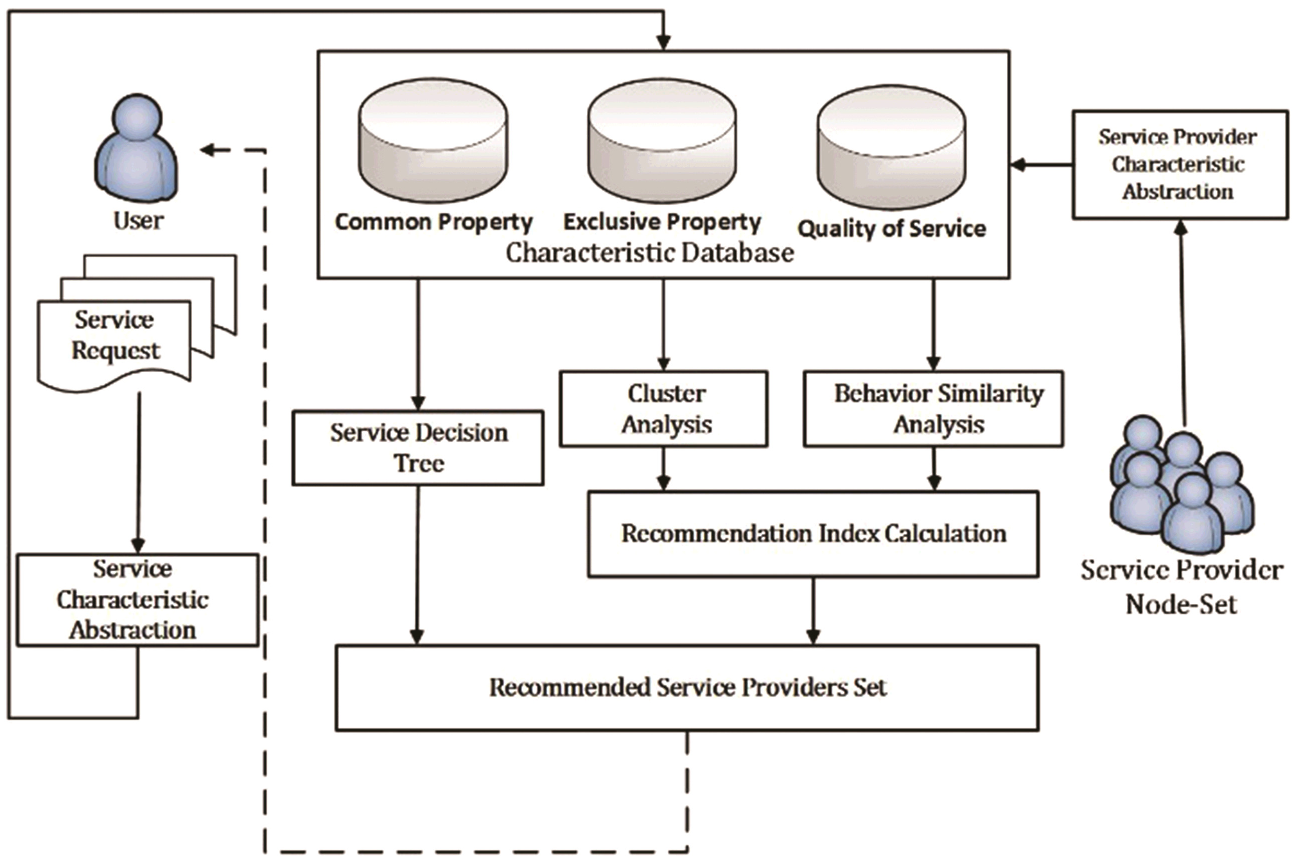 Figure 1: The overarching architecture of the FCM framework.
Experimental Validation
Using a real-world dataset from Dianping.com (5,000 customers), the researchers compared FCM against Random Service Selection (RSS) and CoDiGA (a Genetic Algorithm-based approach).
Key Insights from Results:
- Superior Accuracy: FCM consistently achieved higher average valuations from users compared to CoDiGA.
- Scalability: The Service Decision Tree proved remarkably effective when recommending a large group of providers. Conversely, the Recommendation Index performed better for single-provider queries.
- Efficiency: The clustering algorithm within FCM significantly reduced the search space, leading to faster execution times than traditional population-based metaheuristics.
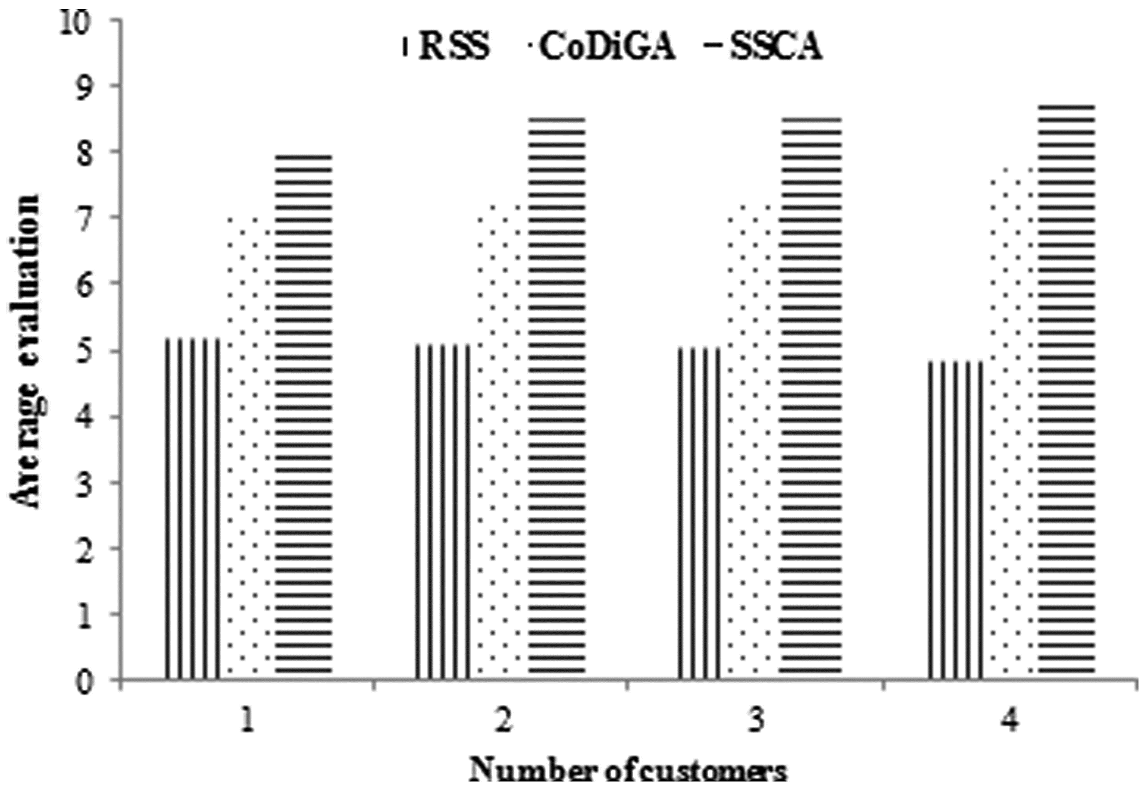 Figure 2: FCM vs RSS and CoDiGA performance across varying numbers of recommended providers.
Critical Analysis & Conclusion
Takeaway
FCM's strength lies in its hybrid nature. By combining the semantic richness of Ontology (which understands what a service is) with the predictive power of Decision Trees (which understands who will likely succeed), it overcomes the limitations of "black-box" recommendation systems.
Limitations & Future Work
While FCM handles structured historical data well, its reliance on a static "Type Catalogue" for Ontology may struggle with the rapid emergence of new, unclassified sensing task types. Future iterations could integrate NLP-based dynamic ontology generation to handle unstructured task descriptions in real-time.
Overall, FCM provides a robust blueprint for any system requiring high-precision matching in decentralized environments, from urban sensing to the gig economy.