
Your Internet Years: Decoding Digital Maturity through Behavioral Tracking
First 24 hours on the Internet - A marketing perspective
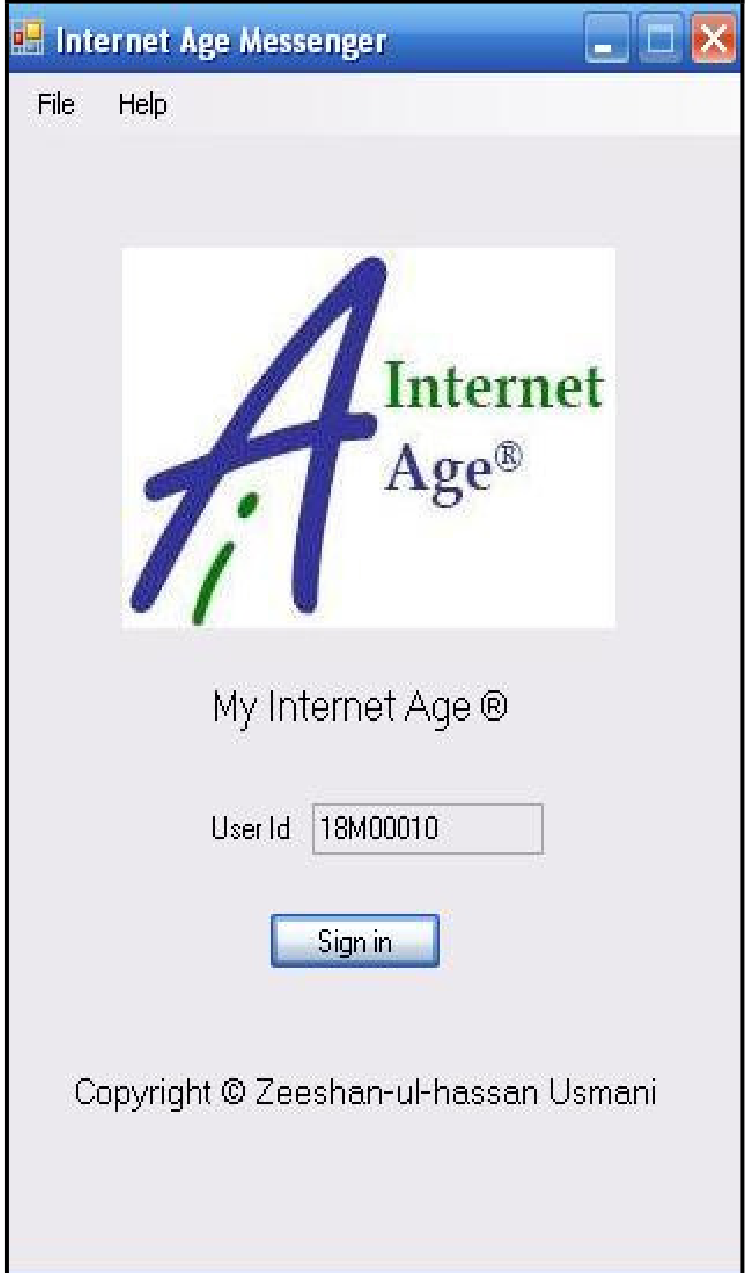
This paper introduces "Internet Age", a monitoring tool designed to track a user's digital footprint and calculate their "Internet Age" based on active usage. By analyzing the first 24 hours of activity from 105 students, the study maps behavioral patterns across 11 website categories to provide a marketing and ethical perspective on digital maturity.
TL;DR
How "old" are you on the web? This paper presents Internet Age, a specialized tool that calculates a user's virtual age based on actual usage rather than chronological years. By tracking 105 students during their first 24 hours of connectivity, the study reveals that reaching your first "Internet Birthday" takes about 7.6 years of typical daily browsing, with entertainment and social networking dominating the early digital lifecycle.
Background: Beyond Chronological Age
In the physical world, age 21 implies specific societal assumptions—legal drinking, college attendance, and personal autonomy. However, the internet lacks a standardized "aging" metric. A 40-year-old novice might be more vulnerable or less efficient than a 15-year-old veteran. The authors argue that to improve internet marketing, ethics, and filtering, we must measure Internet Age—the cumulative time spent actively engaging with the web.
Methodology: The "Internet Age" Architecture
The researchers built a robust tracking system using a BHO (Browser Helper Object) to intercept traffic at the OS level, ensuring that it wasn't just limited to a single browser's session.
System Architecture
The tool utilizes a .NET remote server (Message Listener) to process URLs asynchronously, storing data in a SQL server for administrative analysis.
Key features include:
- Internet Day (I-Day): Defined as 24 hours of cumulative surfing.
- Digital Birth: Marked by the first recorded login/installation.
- Categorization: Manual classification of websites into 11 domains like Finance, Education, and "Sex" to track the speed of exposure.
Crucial Insights: How We Spend Our First 24 Hours
The study observed 105 students from Pakistan and the UAE. The findings challenge several assumptions about early internet usage.
1. The Entertainment Dominance
Users gravitate toward entertainment almost immediately. It is the most "proximate" category, meaning it takes the least amount of time for a new user to discover and engage with it.
2. The Symmetry of Sex and Education
One of the most revealing findings is the "Surfing Paradox": novices spent roughly equal amounts of time on sex-oriented websites and educational resources (approx. 3.5 hours per I-day). For marketers and ethical regulators, this highlights the rapid "exposure speed" of adult content in an unfiltered environment.
3. Gender Performance
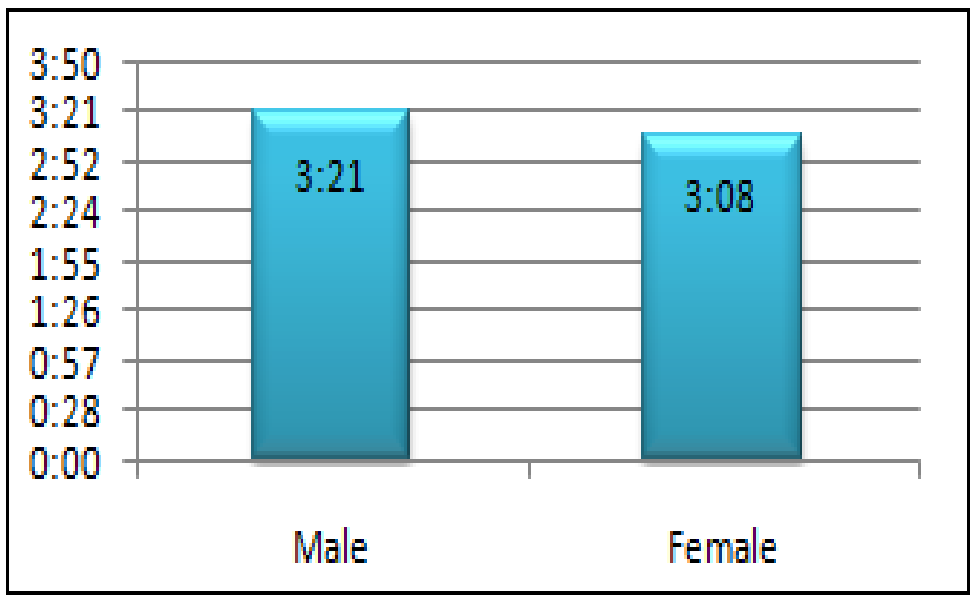
While both genders explore roughly the same number of categories (6 for males, 5 for females), women were found to spend nearly twice as much time on entertainment and educational sites compared to their male counterparts.
Results & Performance Metrics
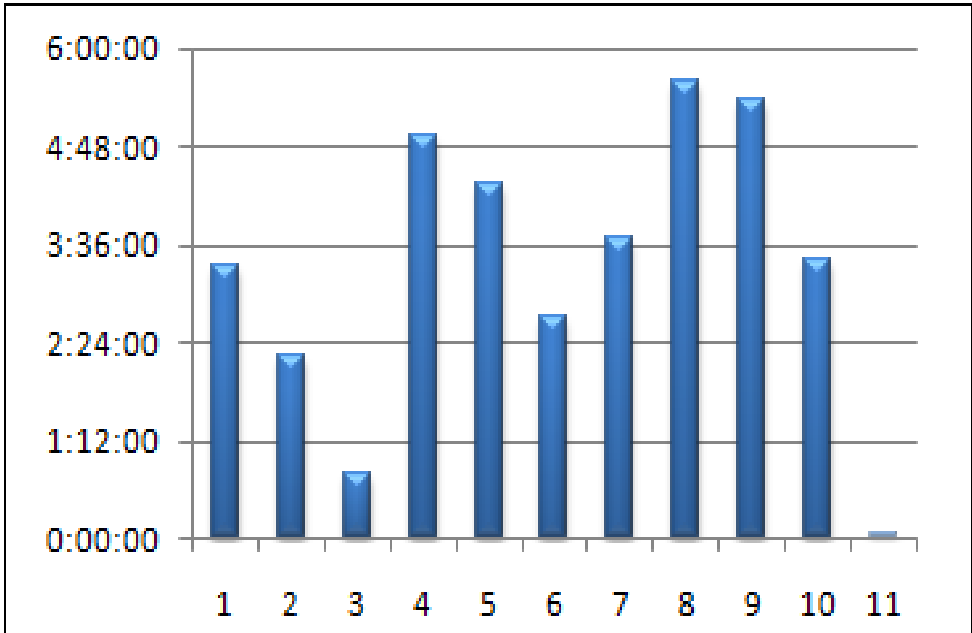
The study provides a quantitative look at "Discovery Speed." Figure 11 in the paper illustrates that News and Finance take the longest to reach, suggesting these are "veteran" activities that require higher digital maturity or specific intent.
- Internet Birthday: If you spend ~3 hours a day online, you celebrate your 1st Internet Birthday only after 7.6 years of real-world time.
- Discovery Efficiency: Entertainment and Retail categories are discovered the fastest, acting as the primary "gateways" for new users.
Critical Analysis & Outlook
This work serves as an early "archeological" look at digital behavior. By mapping the first 24 hours, the authors provide a baseline for what "unfiltered" internet discovery looks like.
Limitations: The study is hardware-dependent (Internet Explorer 6 era) and operates in a period before the explosion of mobile apps (TikTok, Instagram) which would drastically alter the "discovery speed" of social networking. Furthermore, the manual classification of categories is difficult to scale for the modern web.
Future Impact: The concept of a "Credit Score" or "Trust Level" based on Internet Age is a precursor to modern digital identity and reputation systems. For today's researchers, this paper prompts a vital question: How has the algorithm-driven "Discovery Speed" of 2024 changed the rate at which we age on the internet compared to the user-driven search of 2008?
Conclusion
The Internet Age tool demonstrates that our virtual lives evolve at a different tempo than our physical ones. As we continue to integrate into the Metaverse, understanding the "Age" of a user may become more critical than knowing their birth date for both safety and service customization.