
Beyond the Numbers: Reclaiming Complexity through Cultural Experiments in Design Research
A First Speculation on Cultural Experiments as Design Research Methods
This paper introduces "Cultural Experiments" as a novel design research methodology to address the complexities of transculturality, context, and storytelling. By presenting four distinct field experiments (Serendipitea, Archaeology of the Future, Cities After Cars, and For Us By Us), the authors argue for a qualitative analytic framework that prioritizes human-centric "Why" and "How" over the data-driven "What" prevalent in AI-driven innovation.
TL;DR
In an era dominated by AI analytics and "Big Data," design research risks losing its soul to shallow, commoditized metrics. This paper argues for Cultural Experiments—a methodology that treats research not as a verification of existing ideas, but as a deep, qualitative dive into the "Why" and "How" of human existence. By moving from simple interviews to immersive performances like tea gifting and future city envisioning, the authors showcase how design can discover what is truly necessary for society.
The "Data Trap" in Modern Design
We are currently witnessing a "desperate run after users," where strategic insights are increasingly synonymous with artificial intelligence and quantitative analytics. While these tools excel at answering what people do, they are notoriously blind to the how and why.
The authors point out a dangerous trend: research has become a commoditized vehicle. We list "user needs" and build "journey maps" just to check a box in the design process. This flattening of human experience ignores cultural nuances and limits our "projective capacity"—the ability of design to imagine things that might be, rather than just what is.
Methodology: The Three Pillars of Cultural Inquiry
To navigate the complexity of the modern world, the authors propose three conceptual anchors:
- Transculturality: Moving beyond "multi-culturalism" to a state where several cultural reference points intersect, allowing for the creation of entirely new meanings.
- Context: Recognizing that context isn't just a backdrop; it is a result of intentional framing. It includes what we choose to discard as much as what we keep.
- Stories: Not as marketing hooks, but as "windows into emotional lives." Stories should respect plurality rather than offering a single, authorized narrative.
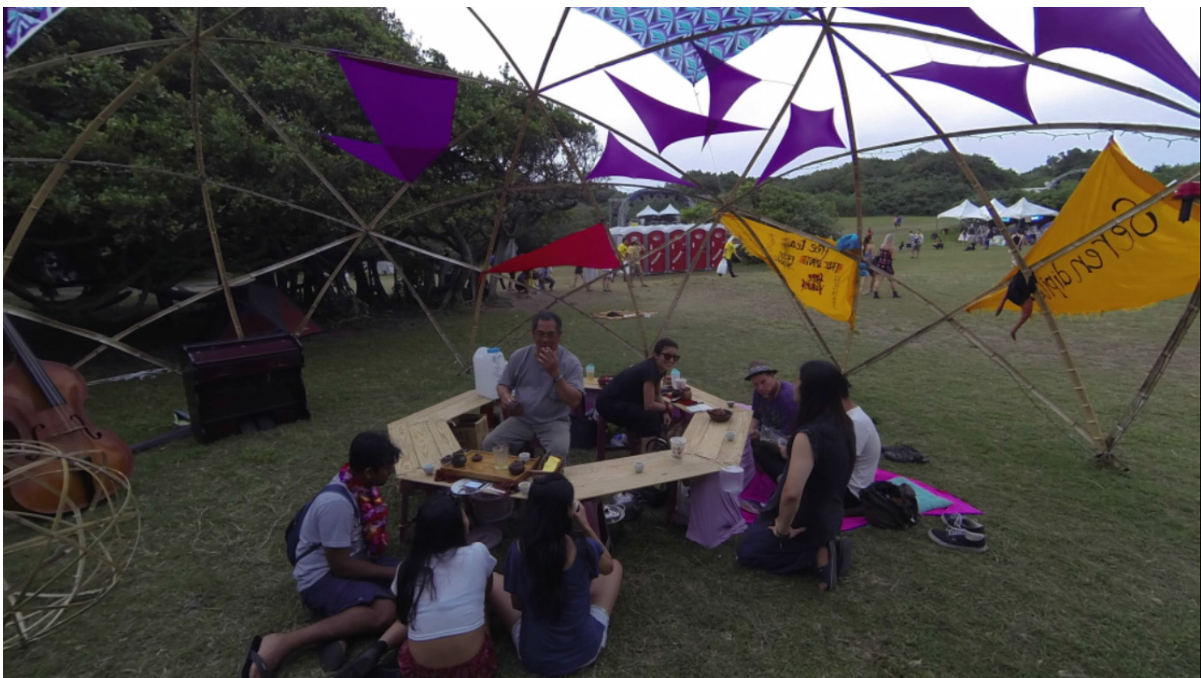 Figure 1: Serendipitea—a temporary tea house used to provoke spontaneous, unscripted urban conversation.
Exploring the Field: Four Radical Experiments
The paper validates its theory through four "unconventional" practices that bridge the gap between analysis (past-looking) and analytics (future-looking):
1. Serendipitea (The Gift of Conversation)
By setting up a gifting-based tea ritual in urban parks, the researchers created a "Temporary Autonomous Zone" (TAZ). Unlike a focus group, this allowed for unforced interactions, revealing fragments of city life that "standard" design stakeholders would never voice.
2. Archaeology of the Future
Students hunted for abandoned objects in Shanghai's demolition zones. By treating urban waste as "Cultural Energy," they built narratives about the "loss of history" and what we should preserve for the future, turning discarded material into symbolic meaning.
3. Cities After Cars
This project asked citizens to envision urban beauty without mobility constraints. Instead of designing a "service," it produced a "gallery of visions"—postcards and sketches of a car-free future. This shift from functional needs to aesthetic aspirations reveals the hidden dreams of a citizenry.
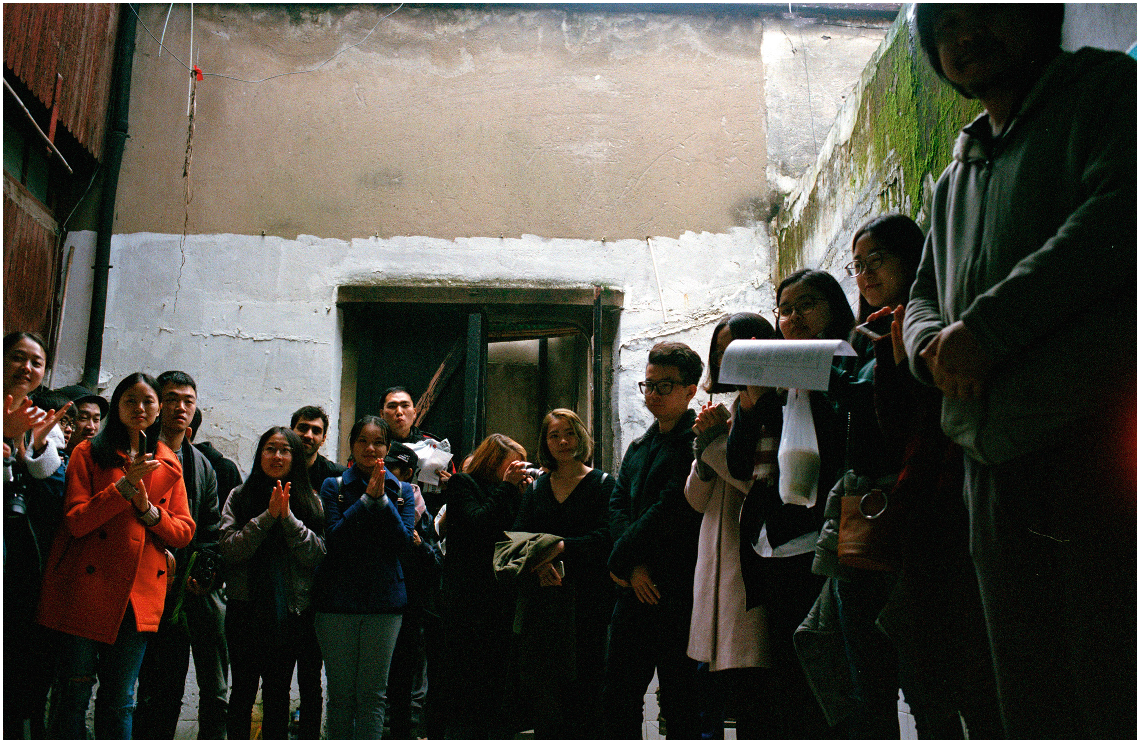 Figure 2: Participants engaging in envisioning exercises to reclaim public space from car-centric design.
4. For Us By Us (Empowering Informal Economies)
In Africa, researchers worked with residents in Mukuru and Khayelitsha to design fire sensors. The research was the action—shifting from mere exploration to community empowerment, where residents defined the business models themselves to ensure sustainability.
Deep Insight: Analysis vs. Analytics
The authors make a sharp distinction: Analysis looks backward to understand existing structures. Analytics should look forward to project behaviors and shape the future.
Most design research today fails because it only performs analysis. It produces stories that "silver line" what we already believe. True qualitative analytics requires subjective negotiation. It acknowledges that the researcher is an agent who must immerse themselves in the context to find the "minor alternatives" that big data misses.
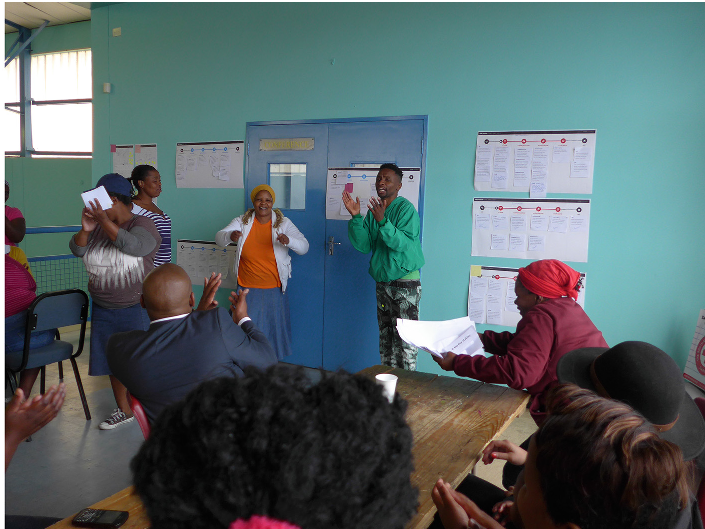 Figure 3: Role-playing and experience mapping in Cape Town to drive tech-based innovation.
Conclusion: Designing the "Genuinely Necessary"
The value of research is not in the amount of data collected (quantitative or qualitative), but in formulating the right question.
Cultural experiments prove that better design insights emerge from "fewer interviews with users and more conversations with human beings." By prioritizing diversity over similarities and the specific over the generic, design research can fulfill its social role: offering a critical outlook on reality and driving the innovation that is genuinely necessary for the human experience.