
Ontology-Driven Focused Crawling: Refining Web Discovery with Semi-Automatic Tagging
Focused crawling with ontology using semi-automatic tagging for relevancy
The paper introduces a novel Focused Crawling framework that integrates domain-specific Ontologies with a Semi-Automatic Tagging mechanism. It targets social bookmarking sites (e.g., Delicious.com) and achieves significantly higher harvest rates and semantic relevance by filtering out noisy or irrelevant user-generated tags.
TL;DR
The explosion of the World Wide Web makes finding niche-specific data a "needle in a haystack" problem. This paper presents a focused crawler that uses Ontologies and Semi-Automatic Tagging to navigate social bookmarking sites. By expanding search queries semantically and validating user tags against a structured knowledge base, the system drastically reduces noise and improves the Harvest Ratio—the rate of relevant vs. total pages crawled.
Problem & Motivation: The Noise in Social Metadata
While general-purpose crawlers index everything, Focused Crawlers aim for domain specificity. However, they face a major hurdle in the era of Social Web (Web 2.0). Users often tag resources with irrelevant or misspelled keywords. For instance, a user might tag a "Computer Science" article with "Electronics" or "Biology" if they are organizing their personal bookmarks broadly.
Previous SOTA methods either ignored tags or accepted them blindly. The authors identified that without a Semantic Anchor, crawlers waste bandwidth on "off-topic" links that happen to share a single keyword with the query.
Methodology: The Social-Semantic Bridge
The researchers proposed a framework that relies on three pillars to ensure that the crawler stays on track.
1. Ontology-Based Expansion
Instead of searching for a literal string, the system uses the Dewey Decimal Classification (DDC) to build a conceptual hierarchy. If a user searches for "Computer Science," the ontology expands this to siblings (e.g., "Programming") and children (e.g., "Software," "Hardware").
2. Semi-Automatic Tagging
This is the "Gatekeeper" of the system. As pages are crawled, the system suggests or validates tags. If a user enters a tag that doesn't exist within the relevant branch of the ontology, it is discarded.
3. Semantic Relevance Calculation
Relevance isn't binary. The paper uses a distance-based formula: Where the relevance is inversely proportional to the path distance between the Search Topic () and the Web Page Concept () in the ontology tree.
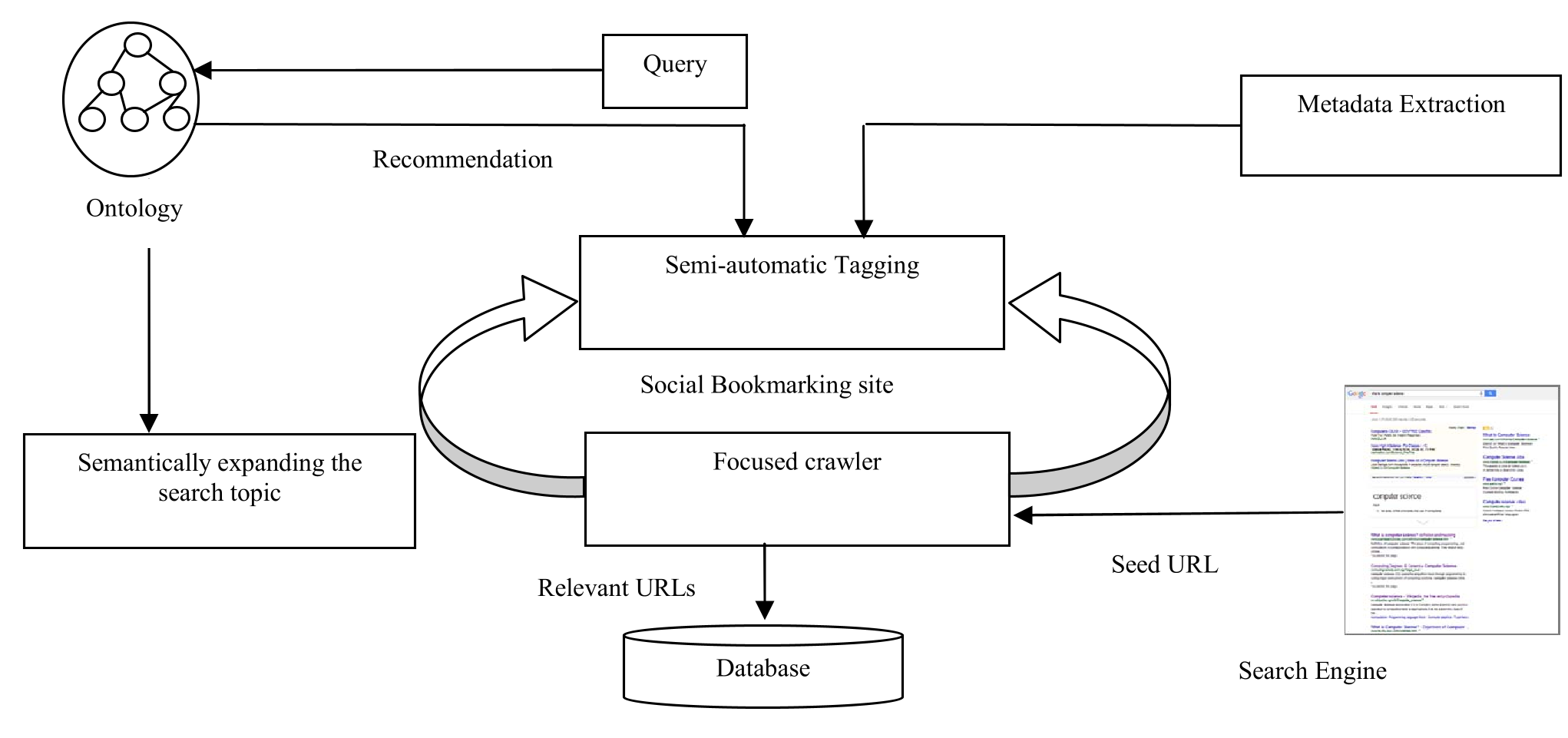 Fig 1. The architecture showing the integration of Ontology with Social Bookmarking Sites (SBS).
Experiments & Results
The authors tested their model on Delicious.com, comparing "Manual Tagging" (accepting all user inputs) against "Semi-Automatic Tagging."
Refinement of Information
As shown in the experimental tables, for a query like "Different types of music," manual tagging might include "saregamamappppp" (noise). The proposed model filtered this out, accepting only validated concepts like "Jazz" and "Classical."
Harvest Ratio Performance
The Harvest Ratio measures the efficiency of the crawler. A higher ratio means the crawler is spending more time on relevant pages and less on "noise."
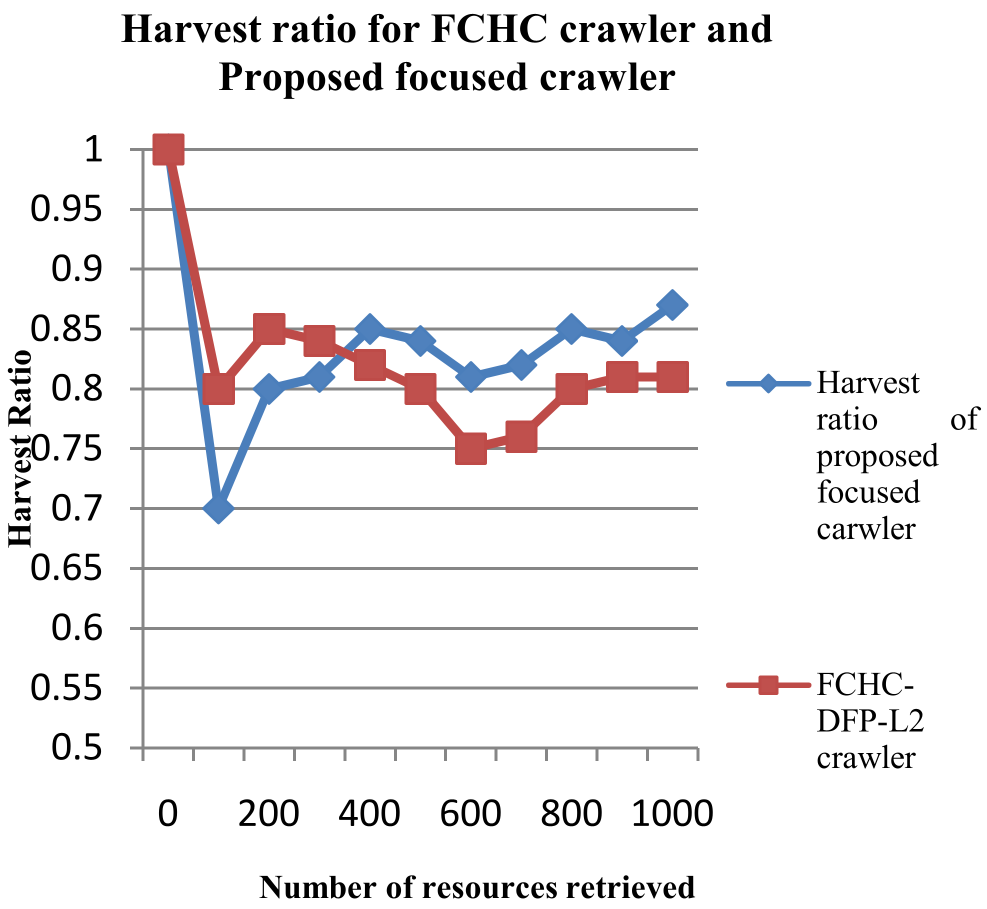 Fig 2. Comparison between the proposed model and the FCHC-DFP-L2 baseline.
The results indicate that while traditional crawlers gradually lose focus (their harvest rate drops steeply), the Ontology-Driven approach maintains a more stable and higher harvest rate over time because it has a "map" (the ontology) to steer back toward the topic.
Critical Analysis & Conclusion
Takeaway
The core value of this work lies in the Semantic Validation of social data. By forcing tags to align with a structured ontology, the crawler gains the "intelligence" to ignore human error and noise.
Limitations
- Domain Dependency: The performance is highly reliant on the quality of the initial Ontology. If the Ontology is too shallow or outdated, the crawler will be blind to new sub-topics.
- Computational Overhead: Calculating semantic distance and validating every tag adds latency to the crawling process.
Future Work
The authors suggest extending this to Multi-Domain Social Sites, aggregating tags from multiple platforms to create a more robust universal tagging intelligence. With the rise of LLMs today, one could imagine replacing the manual DDC ontology with a dynamic, LLM-generated knowledge graph for even greater flexibility.