
Detecting Facebook Business Fraud: A Sentiment-Driven Approach
Fraud Detection of Facebook Business Page Based on Sentiment Analysis
This paper proposes a multi-stage fraud detection framework for Facebook Business Pages using Sentiment Analysis. By combining Naïve Bayes and Lexicon-based methods, the system identifies fraudulent sellers by analyzing the polarity of customer comments and verifying them against a specialized fraud-word library.
TL;DR
As social commerce explodes, so does the risk of "Fly-by-night" fraudulent pages. This paper introduces a two-step detection model that uses Sentiment Analysis (Naïve Bayes) and Lexicon-based scoring to analyze customer comments. By quantifying the ratio of "fraud-related" keywords, the system provides a clear mathematical threshold to flag untrustworthy sellers.
Problem & Motivation
Facebook has transitioned from a social network to a massive business hub. However, this decentralized marketplace lacks the rigorous verification found on platforms like Amazon. The primary pain point is the erosion of trust: fraudulent pages take money without shipping or send counterfeit goods, hurting both consumers and legitimate entrepreneurs.
The authors argue that the "Hidden Truth" lies in the comment section. While a page might look professional, the collective sentiment of the customers provides an organic and difficult-to-fake signal of the business's actual behavior.
Methodology: The Two-Tier Filter
The core innovation is not just general sentiment analysis, but a specialized Fraud Detection Pipeline.
1. The Sentiment Screen
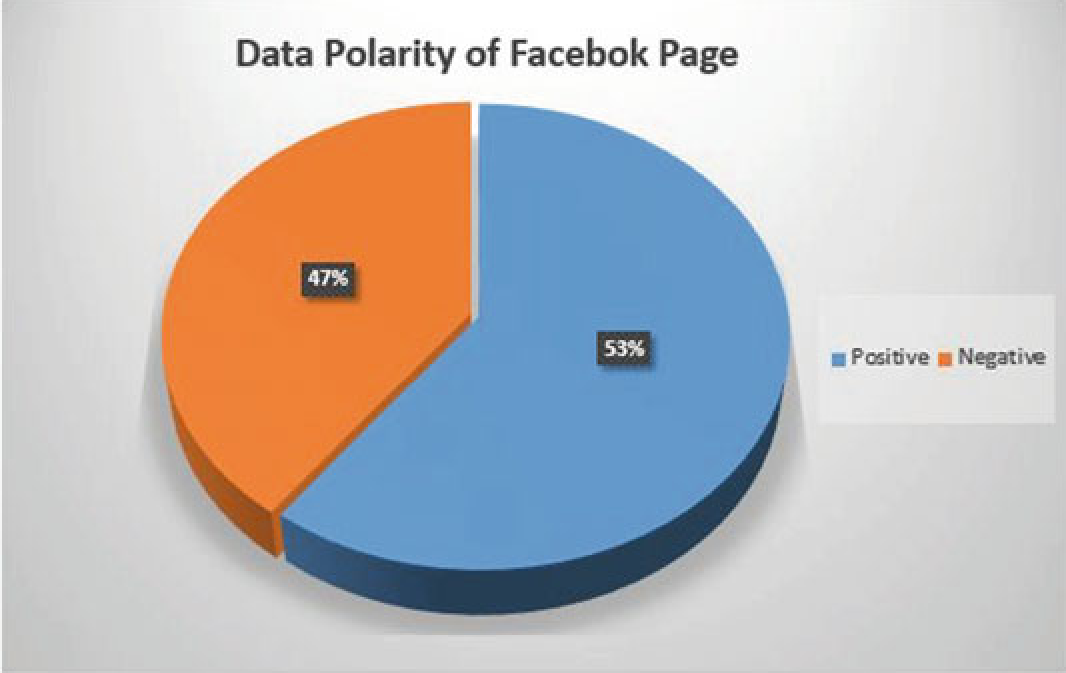
Initially, all comments are processed to determine the page's overall polarity. The researchers use a dual-verification of Naïve Bayes and a Lexicon-based approach.
- The 65% Rule: If a page does not maintain at least 65% positive sentiment, it is automatically forwarded to the "Deep Fraud Analysis" module.
2. Custom Fraud Lexicons
Once a page is flagged as suspicious, the system narrows its focus. It utilizes three specialized libraries:
- Fraud Words: Cheat, scam, fake, blackmail.
- Negative Words: Bad, faulty, messy, overpriced.
- Positive Words: Good, satisfied, beautiful.
The scoring logic is defined by: Where is the Final Comment Score. If , the comment is treated as a fraud indicator.
Experiments & Results
The study demonstrates how the system processes actual customer interactions. For instance, in a post regarding Rolex watches or T-shirts, the system cleans the data (removing links/noise) and evaluates strings like "Good service but provided fake products."
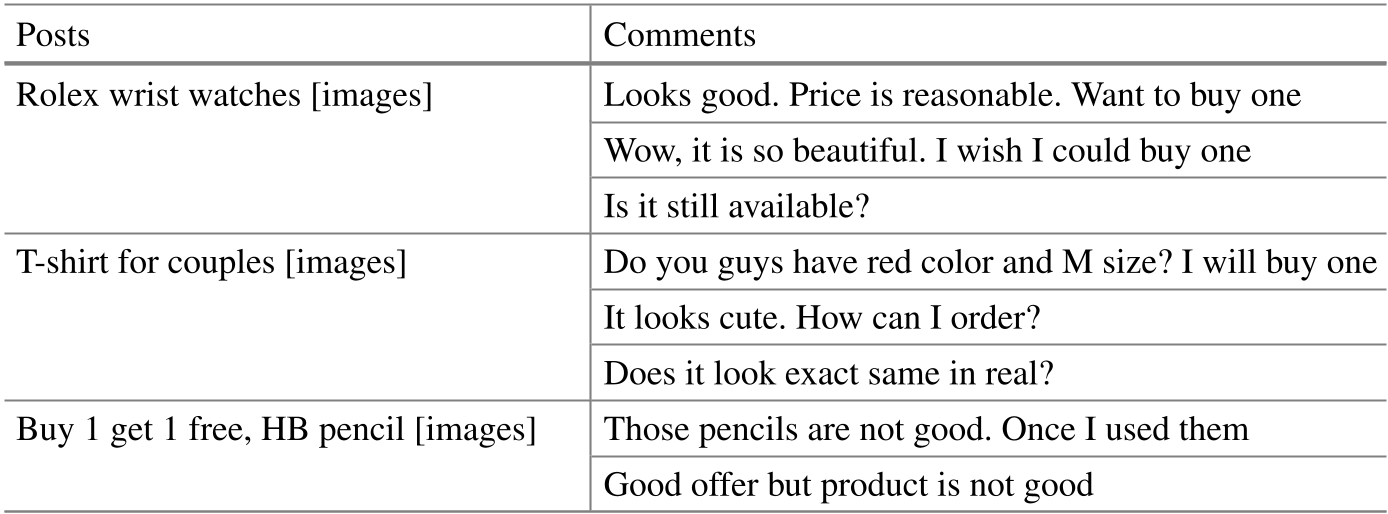
Key finding: By calculating the Fraud Percentage (Fp) (Negative/Fraud comments vs. Total comments), the researchers set a threshold of 40%. Any page where nearly half the feedback mentions fraud or high negativity is classified as an active threat.
Critical Analysis & Conclusion
Takeaway
This research moves beyond simple "thumbs up/down" sentiment. By introducing a specific Fraud/Cheat lexicon, it turns a general NLP task into a specialized security tool for the modern social web.
Limitations
- Sarcasm: The lexicon-based approach may struggle with sarcastic comments (e.g., "Oh great, another scam!").
- Comment Deletion: The paper assumes the business does not delete negative comments—a common tactic for real-world fraudsters.
Future Outlook
The next step for this technology is real-time browser extensions or API integrations that can provide a "Trust Score" overlay directly on Facebook, helping users decide where to spend their money before they click "Pay Now."