
Reading Battle: Bridging the Rural Education Gap Through Gamified Literacy
A Pilot Ethnographic Study of Gamified English Learning Among Primary Four and Five Students in a Rural Chinese Primary School
This pilot ethnographic study evaluates "Reading Battle," a gamified English e-learning platform, among Primary Four and Five students in rural Henan, China. The research demonstrates that integrating game elements into reading tasks successfully fosters intrinsic motivation and literacy engagement in resource-constrained environments.
TL;DR
This study explores how a gamified platform titled "Reading Battle" transformed English learning for Primary 4 & 5 students in rural China. By leveraging game mechanics like leaderboards and badges within a Self-Determination Theory (SDT) framework, researchers found that even students with zero prior computer experience could develop a "love for reading" and significantly improve their vocabulary within just four weeks.
Context: The Rural-Urban Divide
In China, English proficiency is a prerequisite for higher education, yet a massive "resource gap" exists. While urban students enjoy high-tech classrooms, rural students in provinces like Henan often find state standards (Reading short essays with visual aids) completely "unrealizable." For these students, English is often seen as a burden rather than a skill.
Methodology: The Three Pillars of Motivation
The researchers didn't just hand out tablets; they restructured the learning experience based on three psychological pillars:
- Competence: Helping students feel proficient through immediate feedback and level-ups.
- Relatedness: Building bonds between peers (healthy competition) and parents (collaborative reading).
- Autonomy: Allowing students to choose their own genres and reading pace.
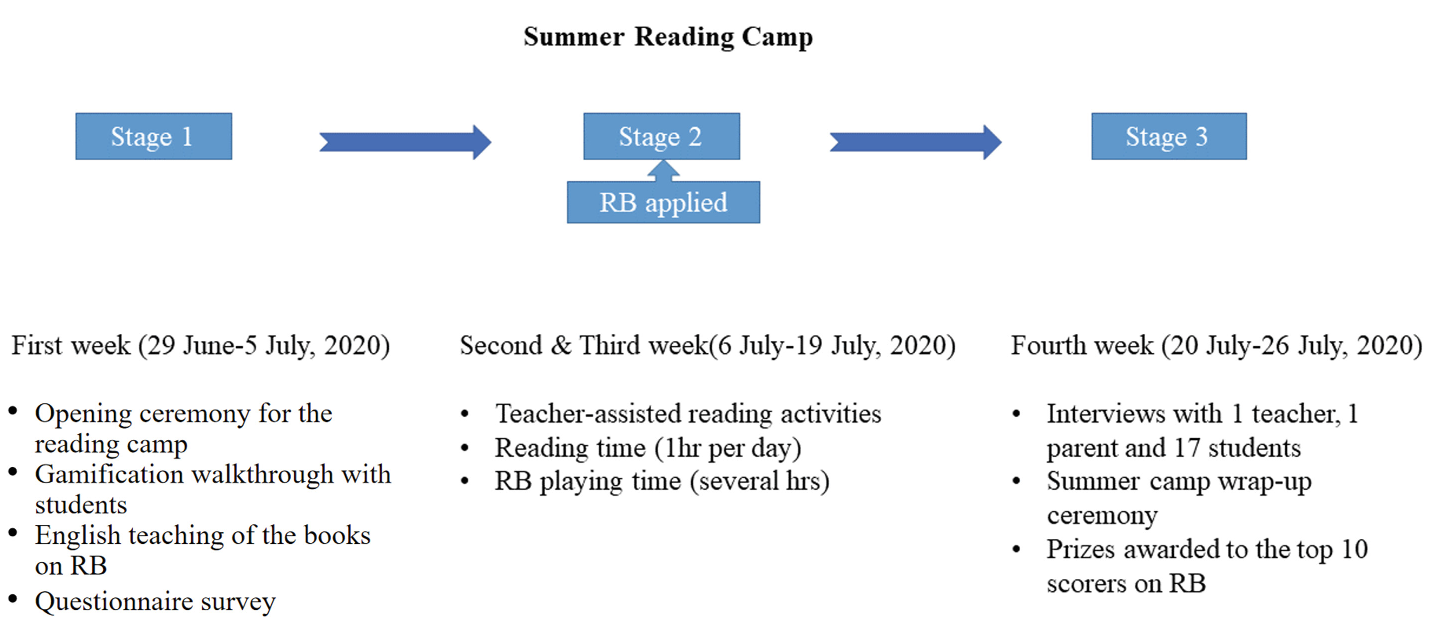 Figure 1: The Three-Stage Study Design involving Pilot, Implementation, and Evaluation.
Key Insights: Why Gamification Worked
The "Battle" aspect of the platform provided an Inductive Bias toward engagement. Instead of "skipping words they didn't know," students began using contextual clues and dictionaries specifically to win points and climb the leaderboard.
1. From "Disgust" to "Desire"
One of the most striking findings was the behavioral change in under-motivated students. Student S-ZW, who previously described seeing English books as "making him feel sick," began picking up books to read aloud softly by the end of the camp.
2. Peer-to-Peer Relatedness
The platform turned English into a social currency. Students who were once too afraid to speak up for fear of being "wrong" found safety in the platform's anonymity or were motivated by the successes of their classmates shown on the leaderboard.
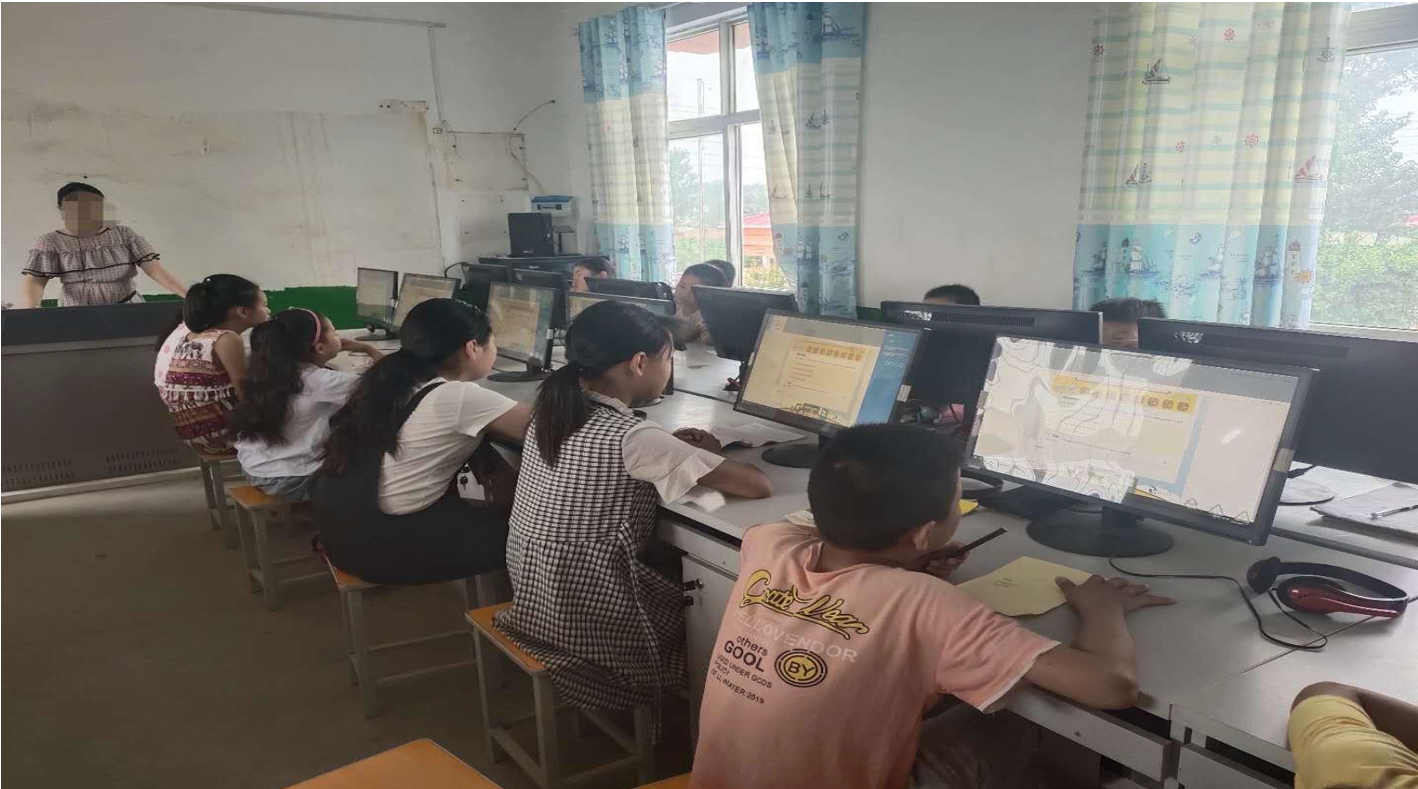 Figure 2: Students in the computer lab participating in the silent reading period before engaging with the Reading Battle tasks.
Results & Performance Comparison
The results were overwhelmingly positive, especially considering that 88% of the students had no prior computer knowledge.
| Metric | Pre-Study | Post-Study (4 Weeks) |
|---|---|---|
| Daily Reading Habit | Rare / Weekly | Significant portion read daily |
| Vocabulary Strategy | Skip unknown words | Use context, Ask peers/teachers |
| Genre Variety | Only textbooks | Folk tales, Science, Fairy tales |
Critical Analysis & Conclusion
While this was a "pilot" study with a smaller sample size (n=41), it provides a crucial proof-of-concept: technology can level the playing field.
Limitations: The reliance on a physical computer lab remains a hurdle in the most remote areas. Furthermore, the presence of a voluntary teacher (one of the authors) likely provided an extra layer of support that might not exist in every rural school.
Takeaway: Gamification isn't just about "fun"—it's about fulfilling basic human psychological needs. When students feel competent and autonomous, the "difficulty" of a second language becomes a challenge to be conquered rather than a barrier to be feared.