
Cultural Adaptivity Meets Groupware: Reimagining Global Collaboration with Tailor-SMaDe
Supporting Globally Distributed Work - Cultural Adaptivity Meets Groupware Tailorability
The paper introduces Tailor-SMaDe, a web-based synchronous groupware specifically designed for globally distributed teams, featuring high tailorability. Its core innovation is the integration of ICEES (Intercultural Collaboration Environment Expert System), a culturally-aware advisory module that recommends optimal tool configurations based on the cultural backgrounds of team members.
TL;DR
In the age of offshoring and global software development, "one-size-fits-all" collaboration tools are failing. This paper introduces Tailor-SMaDe, a groupware prototype that merges extreme tailorability (allowing users to rebuild their workspace on the fly) with a culturally-aware expert system (ICEES). It doesn't just give you a chat box and a shared editor; it tells you why a private chat might be better than a public one based on the cultural composition of your team (e.g., German vs. Indonesian vs. Malaysian).
The Motivation: Why Global Teams Struggle
Most groupware is static. However, global teams face two shifting variables:
- Task Evolution: A team might need a UML editor today but only a shared HTML editor tomorrow.
- Cultural Friction: Different cultures have varying attitudes toward hierarchy (Power Distance), communication styles (High/Low Context), and privacy (Specific/Diffuse).
The authors argue that when groupware ignores these socio-cultural nuances, collaboration efficiency drops. Their insight? Give the power back to the user (tailorability) but guide that power with an "Expert System" (adaptivity).
Methodology: The Best of Both Worlds
The architecture consists of two primary systems working in tandem:
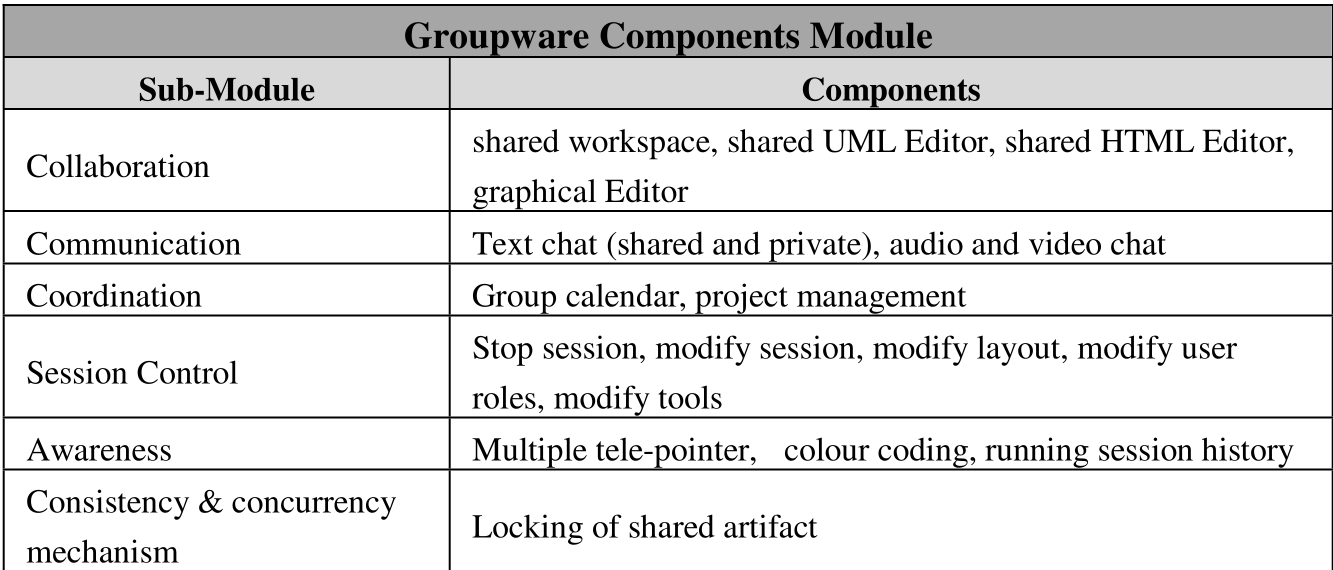
1. Tailor-SMaDe (The Engine)
Built on a modular web stack (HTML5, WebSockets, WebRTC), it allows for real-time synchronization. The "Tailor" (usually a manager) can modify user roles (Manager, Contributor, Viewer) and tool layouts during a live session.
2. ICEES (The Cultural Ambassador)
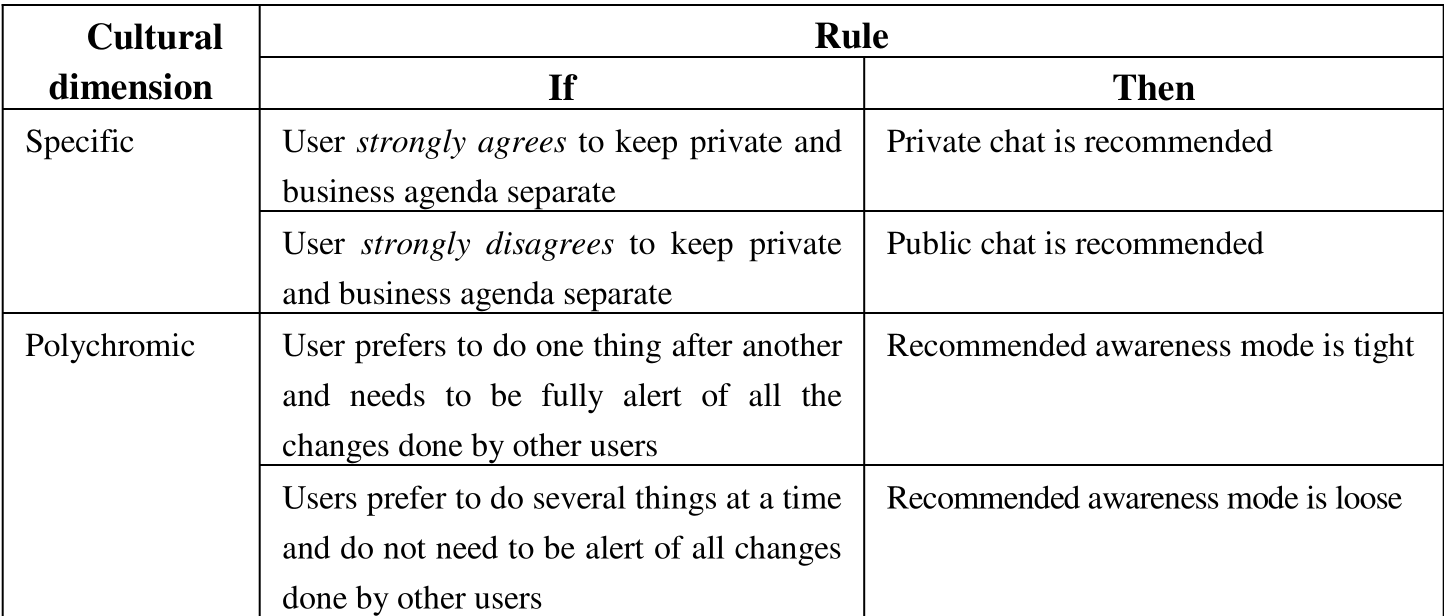
ICEES is the "intellectual layer." It takes user metadata (origin, language, age) and applies a knowledge base derived from research in Germany, Malaysia, and Indonesia. For example:
- Specific Cultures: If users prefer separating private and business life, ICEES recommends a Private Chat.
- Polychromic Cultures: If users multitask, ICEES suggests a Loose Awareness mode to prevent information overload.
Designing for Human Interaction
A key technical detail is the Session Authorship Mechanism. To prevent "tailoring chaos," the system ensures that while anyone can be a tailor, only authorized managers can distort the living environment of a running session.
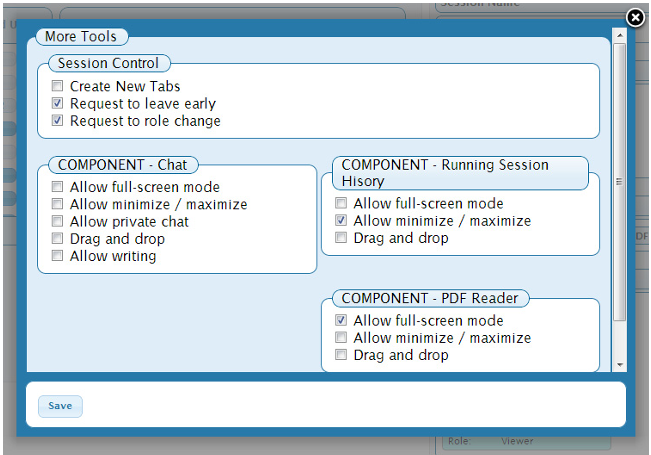 Figure: The authorship mechanism ensures security and consistency across distributed nodes.
Evaluation: Beyond Qualitative "Feelings"
Instead of just asking users if they "liked" the tool, the authors propose using the Keystroke-Level-Model (KLM). By subtracting "tailoring time" from total "session duration," they aim to prove that the overhead of configuring the tool is outweighed by the massive efficiency gains of working in a perfectly optimized environment.
Critical Analysis & Future Outlook
The beauty of this research lies in its transition from Adaptable (user-driven) to Adaptive (system-driven) interfaces.
Limitations:
- Rule Rigidity: The current expert system uses hardcoded rules. In a modern context, these could be replaced by LLM-based agents that understand cultural nuances more fluidly.
- Scalability: Applying this to a team of 50 people from 20 different countries might lead to "recommendation paralysis."
The Takeaway: As developers of global SaaS products, we must realize that UI/UX is not just about aesthetics; it's about cultural compatibility. Tailor-SMaDe sets a blueprint for software that respects the diversity of its users' backgrounds.