
Breaking the Ritual: Using Dramatic Robotics to Foster Social Synergy in Children with ASD
Use of goals and dramatic elements in behavioral training of children with ASD
The paper presents a Multi-Agent interactive robotic platform designed for behavioral training of children with Autism Spectrum Disorder (ASD). It evaluates the impact of "Pet Zoo," a game incorporating goal-oriented tasks and dramatic elements (role-playing), against a baseline of free play to enhance social interaction and exploration.
TL;DR
Can robots help children with Autism Spectrum Disorder (ASD) move beyond solitary, repetitive play into the world of shared imagination? This research introduces an interactive robotic block platform that utilizes emergent behavior and dramatic elements (like a "Pet Zoo" scenario). Contrary to traditional psychology which suggests children with ASD struggle with "make-believe," this study proves that structured dramatic goals can actually stimulate significant social dialogue and cooperation.
Beyond Patterns: The Motivation
Children with ASD often show a profound affinity for patterns, sensory repetition, and predictable systems. However, the core challenge in behavioral therapy is translating this interest into Social Interaction.
Previous methods (like LEGO therapy) focused on physical construction to spark conversation. This paper takes a leap forward by asking: What if the toys themselves were "alive"? By transforming static blocks into autonomous agents that respond to their environment, the researchers hypothesized they could create a "social bridge" using the logic children with ASD already understand—state machines and cause-and-effect.
Methodology: The "Pet Zoo" Ecosystem
The platform consists of wireless building blocks equipped with sensors and multi-color LEDs. The researchers compared two distinct play styles:
- Game A (Emergent Play): Free interaction with blocks that change colors based on proximity.
- Game B (Pet Zoo): A goal-oriented game where blocks represent "animals" that need "food" (green blocks) and "water" (blue blocks).
The Logic of Interdependence
In the Pet Zoo, the "animal" blocks change color intensity to represent their health or hunger. Crucially, no single child has all the resources; they must work together to keep the "pet" alive. This creates forced interdependence—a psychological state where social contact becomes a functional necessity to achieve a goal.
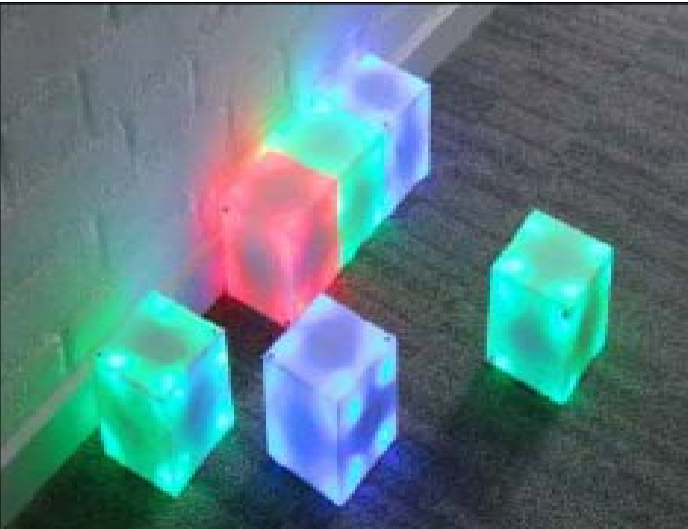 Figure 1: The state-machine logic used to govern block communication and behavior.
Experimental Insights: Do Dramatic Elements Work?
The study involved 12 children (ages 7-11). The results were measured by the frequency of "initiated social contacts" followed by "noticeable reactions."
Quantitative Victory
The data indicated that for nearly all test couples, the inclusion of goals and dramatic elements (Game B) led to a higher frequency of social interactions compared to simple emergent play.
Qualitative Breakthrough
The most surprising finding was the children's ability to handle dramatic elements. While literature often claims that autistic children "resent" or "fail to recognize" pretend play, the use of concrete identifiers like "hungry" and "thirsty" gave the children a shared vocabulary. Instead of abstract social cues, they used the game rules to navigate social friction.
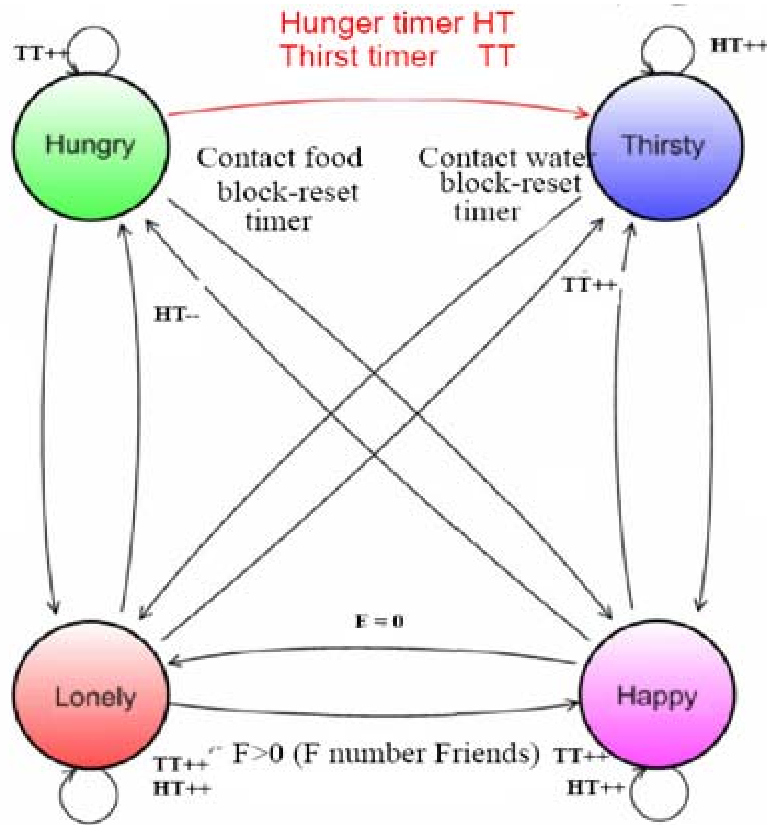 Figure 2: Interaction frequency comparing Game B (Dramatic) vs Game A (Baseline).
Critical Analysis & Conclusion
The success of the "Pet Zoo" suggests that for children with ASD, social interaction is best facilitated by a "Cognitive Detour." Rather than teaching empathy directly, the robotic platform uses a structured game as a proxy. The children interact because they are managing a system—the "social" part is a byproduct of efficient system management.
Takeaways for the Future
- Structure is Freedom: Dramatic play doesn't have to be "loose" or "abstract." When grounded in state-machine logic (if hunger=high, then color=red), it becomes accessible to neurodivergent minds.
- Vocabulary as a Tool: Providing concrete terms (food, water, help) reduces the cognitive load of social negotiation.
Limitations: The study size (n=12) is relatively small, and the quantitative significance (p < 0.22) suggests that while there is a clear trend, more extensive trials are needed to claim a definitive statistical SOTA achievement.
Future Outlook: This approach of "marrying formal state-machines with drama" could be extended to VR or more complex robotic avatars, potentially creating even more immersive social training environments.