
The Grass is Always Greener: Decoding the Rational Logic of IT Turnover
15371_The Grass is Always Greener on The Other Side A Test of Present and Alternative Job Utility on IT Professionals' Turnover.
This study investigates IT professional turnover by integrating Utility Theory and Professionalism into a cognitive process model. Using longitudinal data, it demonstrates how "Intention to Search" acts as a critical mediator between job utility/satisfaction and "Intention to Quit," ultimately predicting actual turnover behavior.
TL;DR
Why do happy IT employees quit? This paper moves beyond "feelings" (job satisfaction) to "math" (utility theory). It reveals that the decision to leave isn't just about being unhappy; it's a rational calculation of whether an alternative job offers more "utility" than the current one. Crucially, the study finds that Intention to Search is the true gateway to turnover, and leadership quality—not just salary—is what makes the "other side" look greener.
Background: Moving Beyond Affect
For decades, the standard playbook for IT managers was: Keep them satisfied, and they won't leave. However, the "affective" stream of research (focusing on feelings like burnout and satisfaction) has been unable to account for the high-performing, satisfied developer who suddenly jumps ship for a competitor. This study positions IT professionals as rational decision-makers who constantly weigh the attributes of their current role against potential alternatives.
The Research Intuition: Utility and Professionalism
The authors argue that two overlooked factors drive the IT quitting process:
- Utility Theory: Borrowed from economics, this suggests workers calculate a "weighted average" of job attributes (autonomy, pay, leadership). If the sum of an alternative job exceeds the current one, the search begins.
- Professionalism: IT is a unique craft. High professionalism (a sense of calling and self-regulation) actually increases the perceived utility of the current job, acting as a "shield" against turnover.
Methodology: The Longitudinal Link
Unlike most studies that only measure "intention to quit," this research tracked 228 IT professionals over a year to see who actually left. They used Partial Least Squares (PLS) to map the cognitive path from demographics to actual resignation.
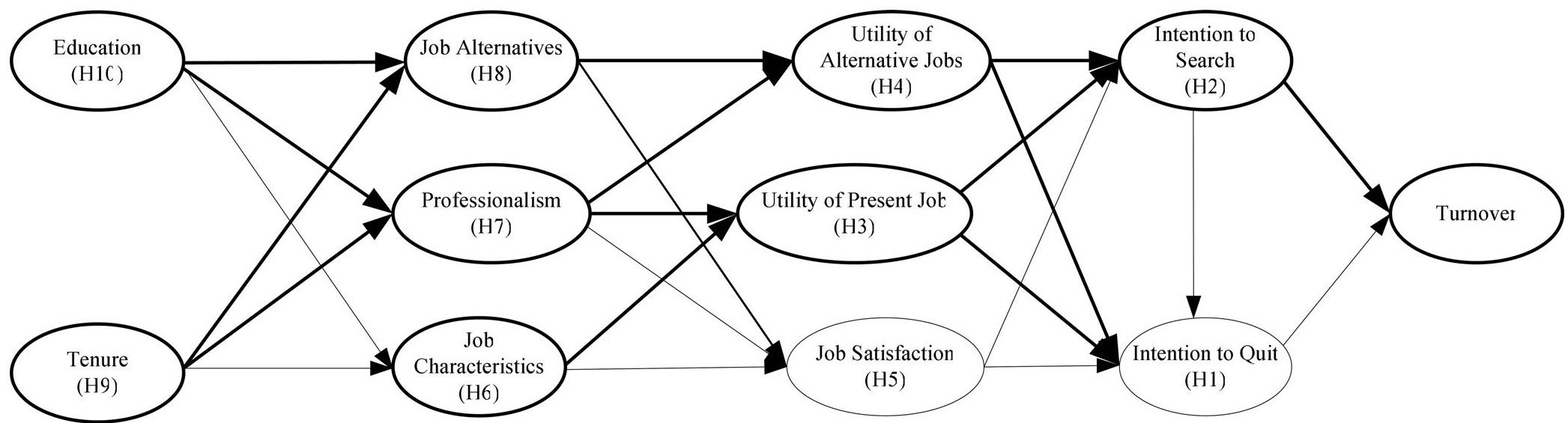 Figure 1: The Research Model illustrating the path from Utility and Satisfaction to Actual Turnover.
Key Insights from the Data
1. The Gateway: Intention to Search
A major theoretical contribution is the role of Intention to Search. The data shows that satisfaction and utility do not lead directly to quitting. Instead, they trigger a "search phase." Once an IT professional starts actively looking, the "Intention to Quit" is almost inevitably formed, leading to the final exit.
2. Leadership Wins Over Cold Cash
In a post-hoc analysis of what makes alternative jobs attractive, the results were startling. The top three most salient items for IT professionals when assessing external utility were:
- Consistent Leadership
- Well-qualified Leadership
- Good Leadership Quality
Salary ranked 8th. This suggests that "bad bosses" drive the search for greener grass more than a smaller paycheck does.
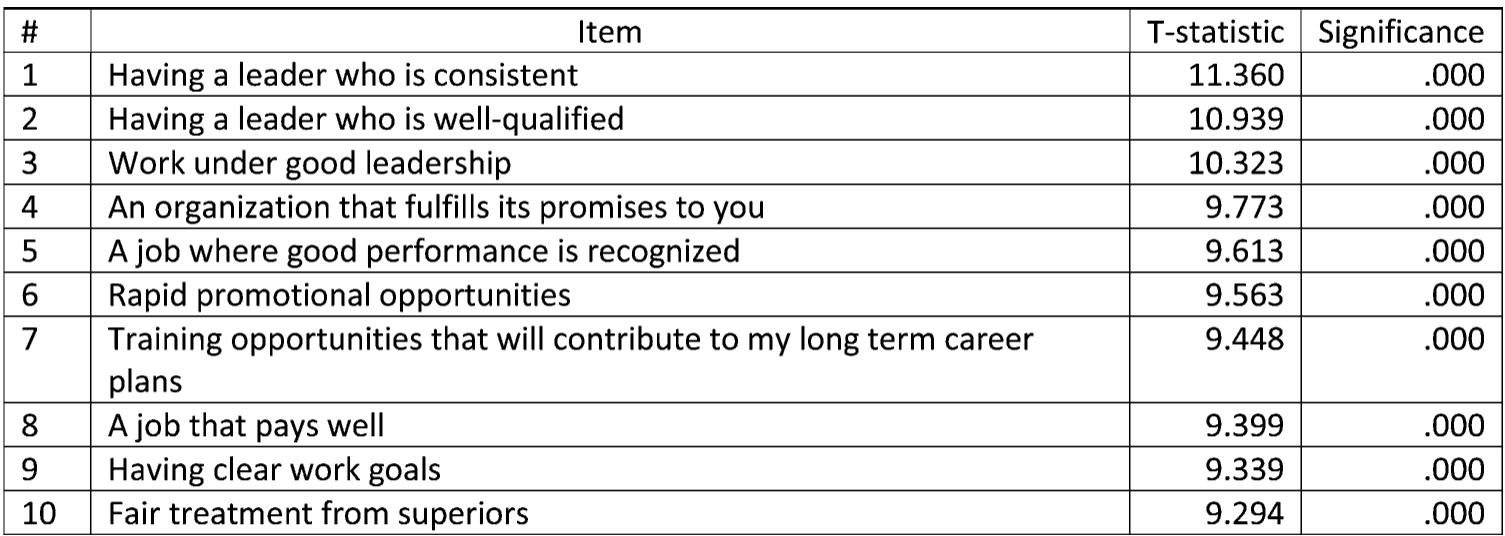 Table 1: Ranking of factors that make alternative jobs attractive to IT professionals.
3. The Professionalism Shield
Tenure (time in the organization) increases professionalism. Employees who feel a deeper connection to the "profession" of IT find more utility in their current work, even when the work itself is monotonous. This suggests that fostering a professional identity can be a powerful retention tool.
Critical Analysis & Takeaways
What this means for Research: The paper successfully integrates the rational (Utility) with the affective (Satisfaction). By proving that "Intention to Search" is a mediation hub, it instructs future researchers to stop looking at "Intent to Quit" as the first sign of trouble. By then, it's already too late.
What this means for Practice:
- Train your Managers: Leadership isn't just about soft skills; it's a retention fundamental. If your leaders are inconsistent or unqualified, your best talent is running the numbers on the competition.
- Keep Promises: "Organizational integrity" (fulfilling promises) was the 4th highest factor in alternative job utility. A single "broken promise" can trigger the rational calculation to move.
- Professional Socialization: Encourage your team to attend conferences and engage with professional bodies. Contrary to the fear that this "exposes them to recruiters," it actually builds the professional identity that increases their current job utility.
Conclusion
IT turnover is not merely a result of unhappiness; it is a calculated choice influenced by the perceived quality of the market and the "membership" the professional feels within their field. To keep the grass green on your side, focus on leadership consistency and professional development.
Limitations: The study was conducted in the public sector. While generalizable in its logic, the specific weights (e.g., the low ranking of salary) might shift in high-growth private sector tech firms where compensation packages are more volatile.