
The Great Energy Pivot: How Oil Giants are Decoding the Low-Carbon Future
A Green and Low-Carbon Transformation of Oil and Gas Companies
This paper provides a comparative analysis of the green and low-carbon transformation strategies of major global oil and gas companies (including European, American, and Asian giants like BP, Shell, ExxonMobil, and CNPC). It identifies two distinct strategic paths—Renewable Energy Diversification and Low-Carbon Petroleum—categorized by geographical and market factors.
TL;DR
The global energy landscape is undergoing a seismic shift. This paper analyzes how international oil and gas companies (IOCs) are navigating the transition from high-carbon legacies to sustainable futures. By examining giants like BP, Shell, ExxonMobil, and CNPC, the research reveals a bifurcated strategy: European firms are reinventing themselves as "Integrated Energy Companies," while American and Middle Eastern firms are doubling down on "Low-Carbon Petroleum" via technological innovation.
Problem & Motivation: The Survival of the Carbon Giants
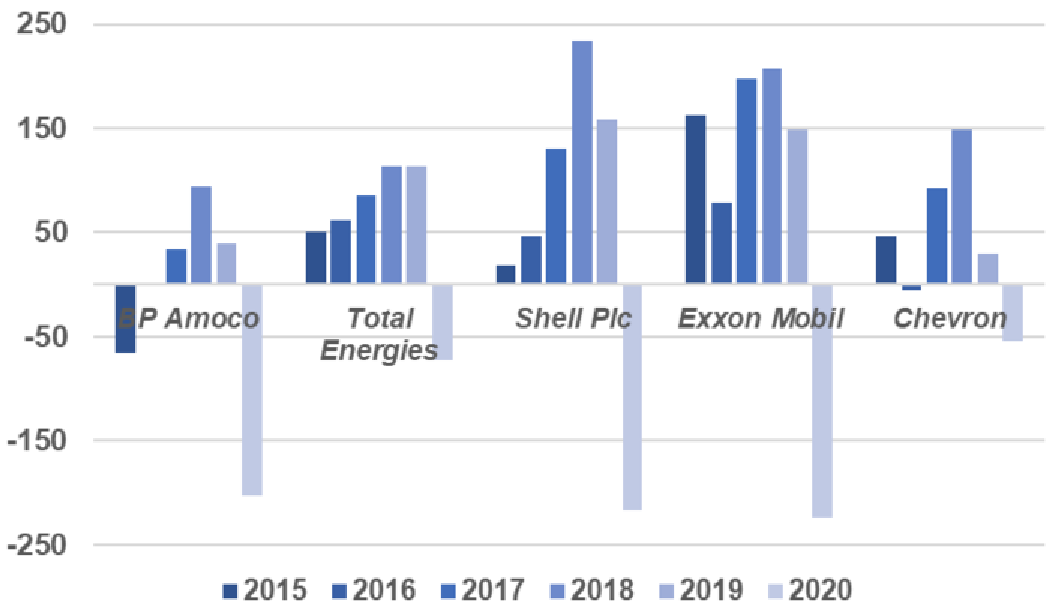
Historically, oil and gas companies operated on a high-risk, high-carbon "single business structure." The year 2020 served as a brutal wake-up call; the quintet of Western oil majors lost a staggering $76 billion as the pandemic crashed prices and climate pressure mounted.
The industry's core challenge is no longer just extraction—it is the decoupling of energy production from carbon intensity. The authors argue that companies must transform or face obsolescence as the "Paris Agreement" era shifts market consumption toward "Net Zero."
Methodology: Two Paths to One Goal
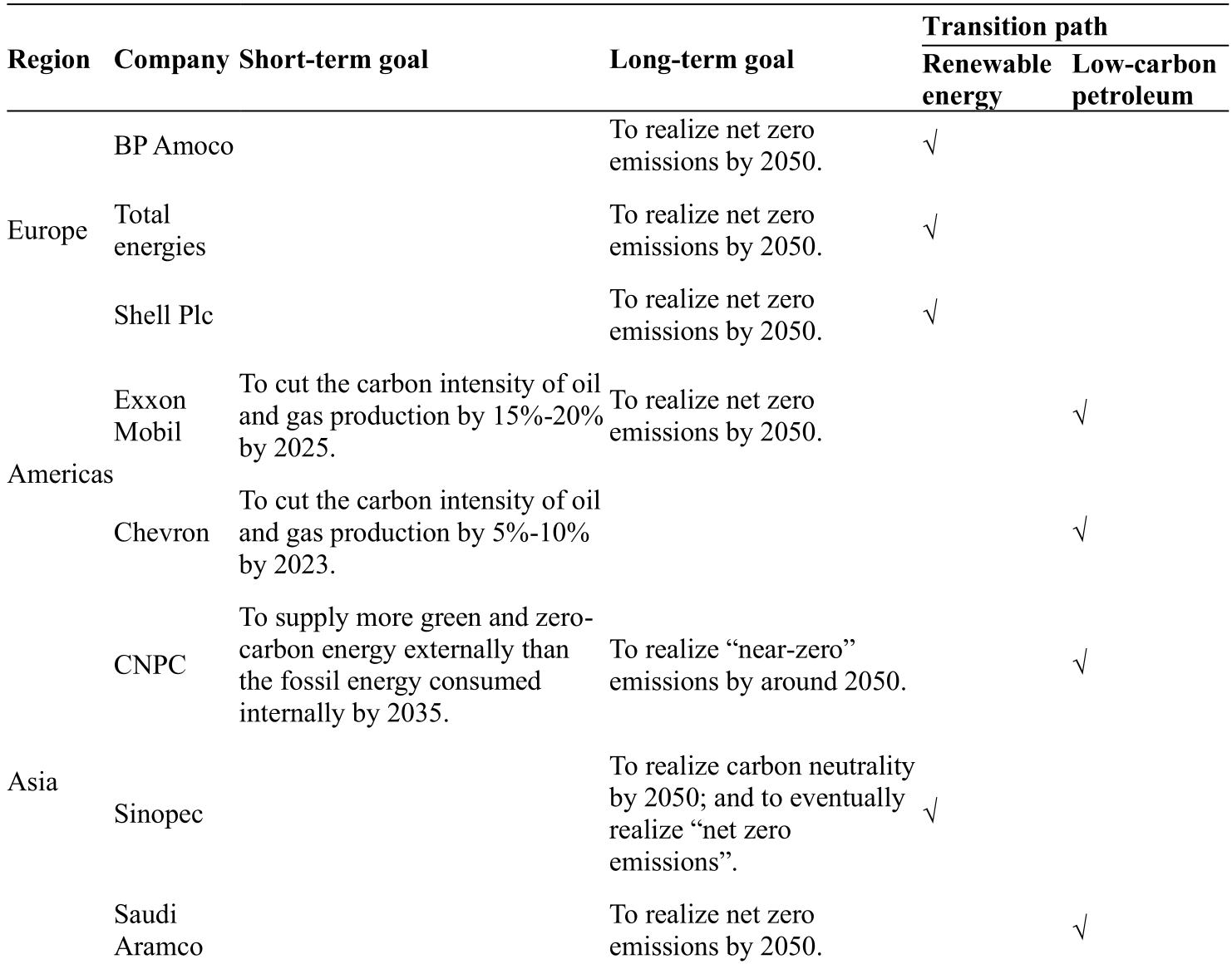
The authors break down the global response into two primary "Strategic Paths" based on regional resource availability and market dynamics:
- The Diversification Path (European Model): Companies like BP and TotalEnergies are shifting toward renewable energy (wind, solar, biofuels). BP, for instance, sold its global chemical business to concentrate on becoming an "Integrated Company," aiming to cut oil production by 1 million barrels per day by 2030.
- The Decarbonization Path (American/Middle Eastern/Asian Model): Firms like ExxonMobil, Chevron, and Saudi Aramco focus on making petroleum "greener." Instead of exiting oil, they invest heavily in CCUS (Carbon Capture, Utilization, and Storage) and Energy Utilization Efficiency.
Strategic Architecture
Deep Dive: The Role of Technology
The paper identifies several "Enabling Technologies" that act as the backbone of this transformation:
- CCUS & CCS: Essential for companies like ExxonMobil, which is part of a $100 billion carbon sequestration project in the Gulf of Mexico.
- Biofuels: A bridge technology used by Shell and Chevron, utilizing everything from agricultural waste to kitchen oil to produce bio-jet fuel.
- Digitalization & AI: Saudi Aramco and CNPC are utilizing "Digital Twins" and AI to optimize oil field operations, ensuring minimal energy consumption during the extraction process. CNPC's "Smart Brain" approach uses big data to align upstream and downstream efficiency.
Financial Resilience Post-Transformation
The impact of these strategies is reflected in the 2021 financial rebounds. TotalEnergies’ adjusted profits reached $18.1 billion (4.4x increase over 2020), proving that green transformation is not just an environmental necessity but a financial stabilizer.
Critical Analysis & Conclusion
The paper concludes with five strategic "Inspirations" for the industry:
- Organizational Reshaping: Setting up dedicated low-carbon departments.
- Technological Empowerment: Focusing on CCUS for hard-to-decarbonize assets.
- New Energy Development: Strategic investments in hydrogen and geothermal energy.
- Intelligent Transformation: Using AI and Big Data to mitigate transition risks.
- Standard Setting: Becoming the rule-makers for low-carbon technical standards.
Takeaway: The "Green Transformation" is a localized game. While Europe pivots to renewables due to resource scarcity, resource-rich regions like the U.S. and Saudi Arabia are proving that "Low-Carbon Petroleum" via CCUS is a viable, profit-sustaining alternative.
Limitations: The study remains high-level. While it identifies what companies are doing, the economic feasibility of high-cost CCUS projects in a fluctuating price environment remains a point of future investigation.