
Green Manufacturing: Transforming Environmental Responsibility into Competitive Advantage
Green Manufacturing: An Evaluation of Environmentally Sustainable Manufacturing Practices and Their Impact on Competitive Outcomes
This exploratory study evaluates the impact of Green Manufacturing on competitive outcomes in the U.S. commercial carpet industry. Using a survey of 84% of the market, the research demonstrates that pollution prevention and product stewardship practices lead to significant gains in manufacturing cost reduction and competitive preemption (image and innovation).
TL;DR
Is being "green" a drain on profits or a hidden engine for growth? This study of the U.S. commercial carpet industry provides empirical proof that environmentally sustainable manufacturing isn't just about compliance—it's about survival and superiority. By distinguishing between Pollution Prevention and Product Stewardship, the research reveals that specific green actions lead to direct manufacturing cost cuts and significant boosts in brand innovation and image.
Problem & Motivation: The "Green Stalemate"
For decades, the academic and corporate worlds have been locked in a debate: does environmentalism hurt or help the bottom line? Previous studies often failed because they used "blunt instruments"—measuring general stock prices or total revenue against vague "green scores."
The author, Cathy A. Rusinko, argues that this generalization hides the truth. To find real answers, we must look at specific practices (like water recycling) and their effect on specific outcomes (like manufacturing cost). The U.S. commercial carpet industry serves as the perfect "laboratory" due to its historically high resource intensity and its recent aggressive shift toward sustainability.
Methodology: Categorizing Green Innovation
The research breaks down "Green Manufacturing" into two strategic pillars based on the Natural Resource-Based View (NRBV) of the firm:
- Pollution Prevention (Internal/Process focus): Aimed at reducing waste and resource use during production.
- Product Stewardship (External/Value Chain focus): Involves redesigning products and engaging suppliers to minimize environmental impact throughout the entire product life cycle.
The Strategic Mapping
The author surveyed the entire U.S. commercial carpet industry (covering 84% of the market) to map these practices against outcomes like Cost, Quality, Image, and Innovation.
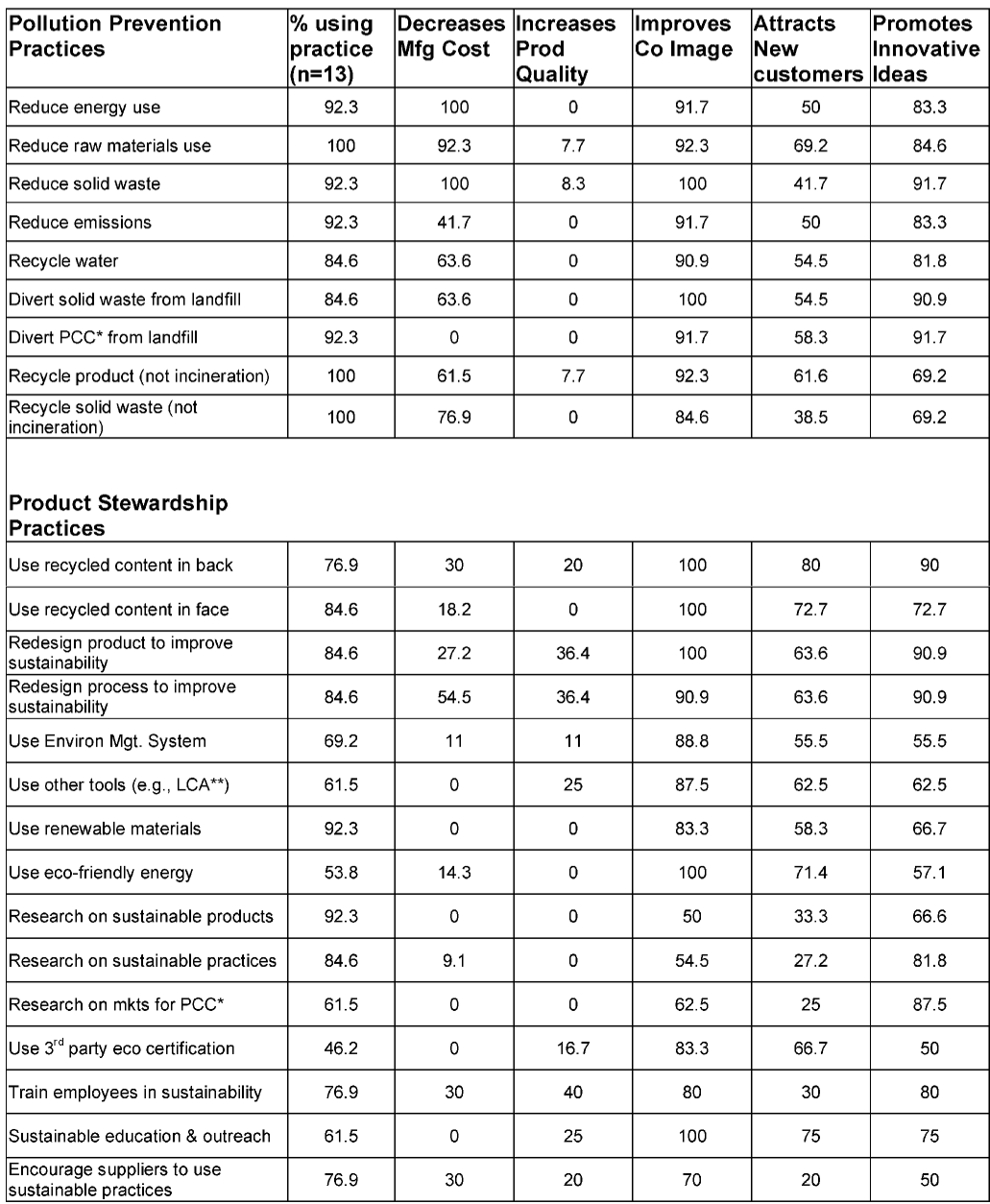 Figure 1: Comprehensive mapping of specific green practices to competitive manufacturing and preemption outcomes.
Key Insights and Results
1. The Cost-Cutting Power of Pollution Prevention
The most striking finding was the efficiency of Pollution Prevention. Reducing energy and raw material usage yielded a nearly 100% success rate in decreasing manufacturing costs. This validates the "Porter Hypothesis": pollution is essentially a form of economic waste—eliminating it inherently improves resource productivity.
2. Branding through Product Stewardship
While pollution prevention helps the "inside," product stewardship wins the "outside." Activities like using recycled content in carpet backing or redesigning products for sustainability were found to be 100% effective in improving company image. This creates "reputational space," allowing early movers to capture environmentally conscious segments of the market.
3. The Innovation Catalyst
Contrary to the idea that environmental regulations stifle creativity, the data shows that green constraints actually promote innovative ideas. Over 90% of respondents noted that redesigning processes for sustainability led to breakthroughs that might never have occurred under "business as usual" conditions.
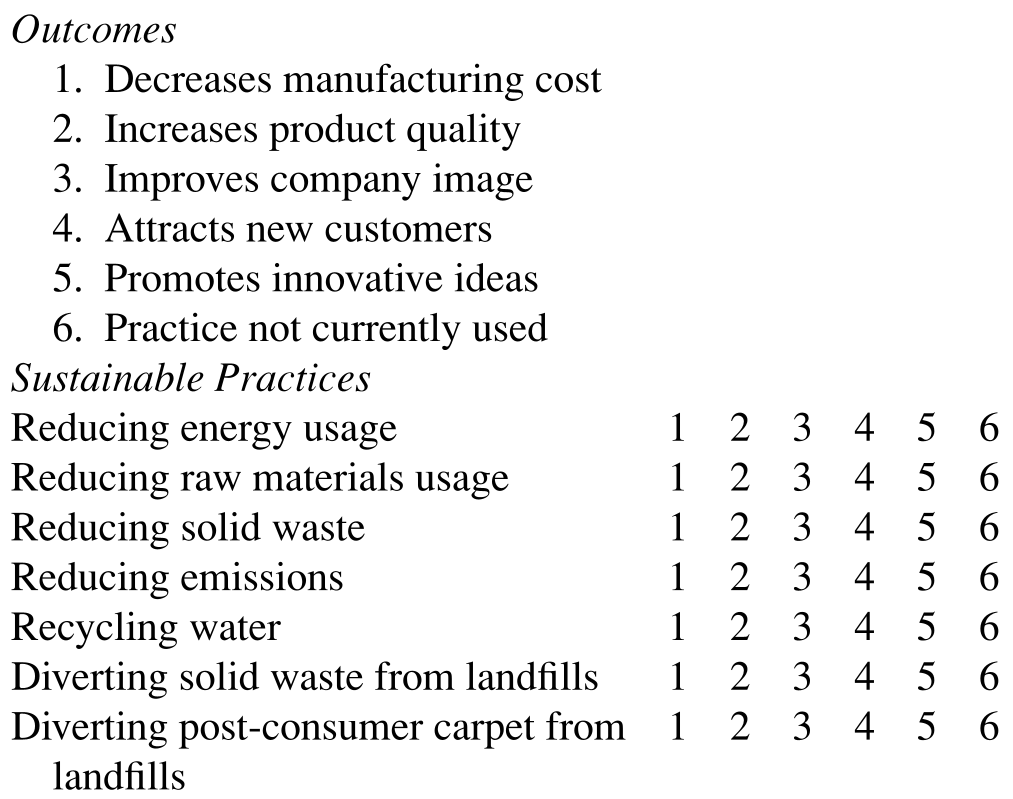 Figure 2: Survey distribution highlighting the shift from cost metrics to image and innovation metrics.
Critical Analysis & Conclusion
The Quality Gap
One surprising takeaway was that Green Manufacturing had a limited impact on product quality (supported by only ~40% of practitioners). This suggests that while being green saves money and builds a brand, it does not automatically make the product "better" in a functional sense (e.g., durability). For managers, this means green initiatives must be coupled with rigorous Quality Management (TQM) to ensure performance doesn't suffer during the transition.
Conclusion
This study moves the conversation from "Should we go green?" to "How should we go green?"
- For the CFO: Invest in Pollution Prevention for immediate, tangible ROI via cost reduction.
- For the CMO: Leverage Product Stewardship to differentiate the brand and attract new customer bases.
- For the CTO: Use environmental constraints as a pivot point for organizational innovation.
Green manufacturing is no longer a niche "ethical" choice—it is a sophisticated strategic framework for operational excellence.