
From Healthcare to HCI: Unlocking Evidence-Based Insights with Framework Analysis
From Healthcare to Human-Computer Interaction: Using Framework Analysis Within Qualitative Inquiry
This paper explores the cross-disciplinary application of "Framework Analysis," a qualitative data synthesis method common in healthcare, to the field of Human-Computer Interaction (HCI). Through an empirical study of 16 interviews regarding mobile app usability, it demonstrates how a matrix-based approach can reveal complex patterns more effectively than traditional coded-text analysis.
TL;DR
Qualitative research in Human-Computer Interaction (HCI) often gets bogged down in mountains of interview transcripts. While healthcare researchers have long used Framework Analysis to streamline this, HCI has been slow to adopt it. This paper demonstrates a step-by-step application of the method to mobile usability research, showing how a simple matrix-based approach can surface deep technical insights far more efficiently than traditional coding.
The "Needle in the Haystack" Problem in Qualitative Inquiry
In the world of UX and HCI, understanding human experience requires qualitative data—interviews, focus groups, and usability sessions. However, the standard methodology (often based on Grounded Theory or thematic coding) presents a major bottleneck: pattern recognition.
When a researcher has 500 pages of coded text, seeing how "Participant A's view on Navigation" compares to "Participant B's view on Visual Design" is mentally taxing and prone to subjective error. As the authors note, even Computer-Assisted Qualitative Data Analysis Software (CAQDAS) can't solve the fundamental problem of visualizing themes across multiple cases at once.
The Solution: The Framework Matrix
The core innovation discussed is Framework Analysis. Born in policy research and perfected in healthcare, this method moves away from "pages of codes" to a Case-Thematic Matrix.
How it Works:
- Thematic Coding: Identify initial themes based on the research questions.
- Case Organization: Assign each participant to a row.
- Charting: Summaries or extracts of data are placed into the cells where the case (row) and theme (column) intersect.
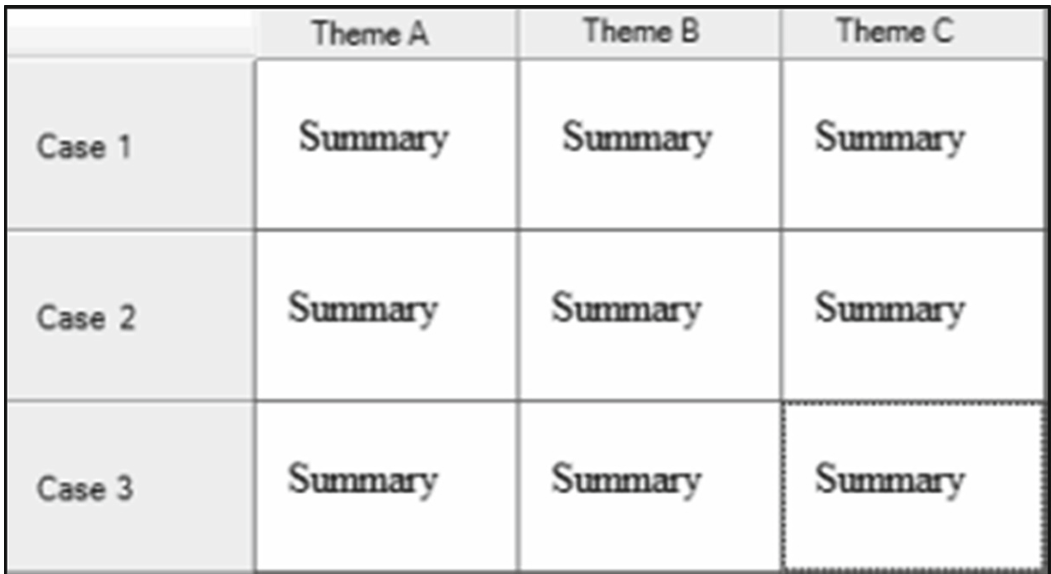 Fig 1: The Matrix structure—the defining feature of Framework Analysis.
This layout creates a "bird's eye view," allowing researchers to read horizontally (the individual's journey) or vertically (how a specific theme varies across the entire user base).
Empirical Application: Mobile Heuristics
To prove the method's worth, the authors analyzed 16 semi-structured interviews regarding Heuristic Evaluation (HE) in mobile apps. Despite HE being a staple of desktop design, its application in the mobile world is murky.
By using Framework Analysis, the authors were able to quickly synthesize the "fluid" nature of the data. They moved from raw NVivo nodes to a structured matrix that revealed a surprising reality in the industry.
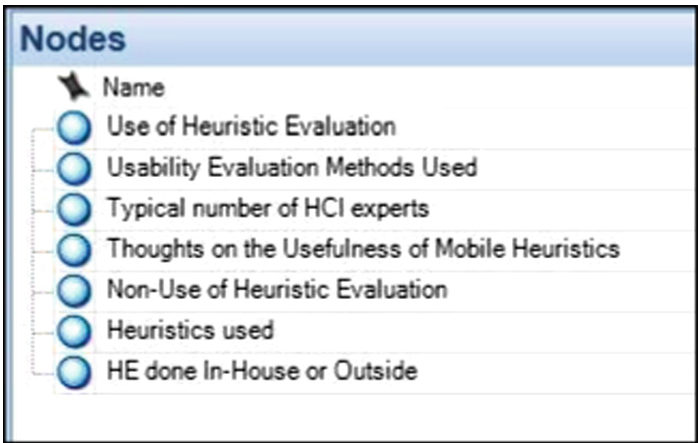 Fig 2: Extracting thematic nodes within NVivo before charting into the matrix.
Key Findings & SOTA Comparison
The analysis surfaced findings that traditional methods might have obscured in the noise:
- The "Mobile Gap": Experts who use HE for websites rarely bother applying it to mobile apps.
- Resource Constraints: Most HE evaluations in the wild are "one-man shows," ignoring the academic recommendation of using 3-5 evaluators.
- The User Testing Bias: Practitioners perceive live user testing as so superior to HE that they often skip the latter entirely, missing the cost-effective "holistic" benefits HE offers.
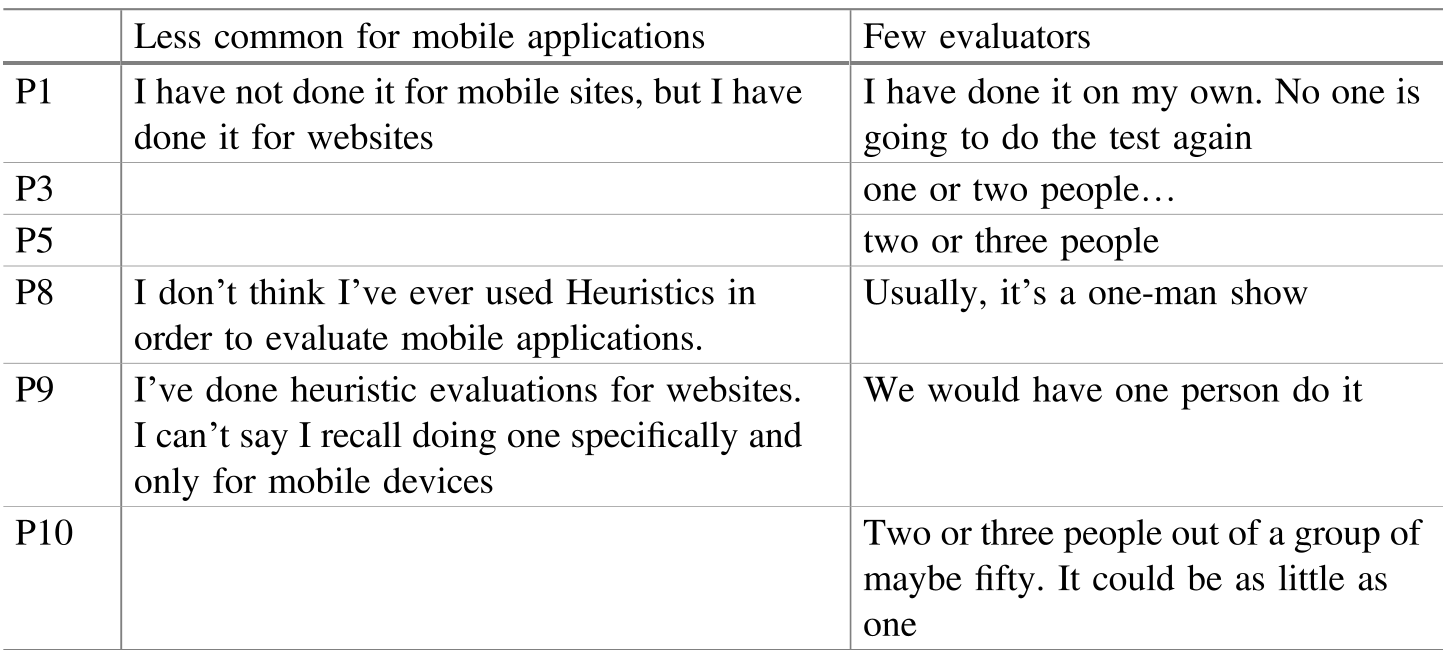 Fig 3: The emergent matrix showing the consensus on limited evaluators.
Critical Insight: Why HCI Needs This
The value of Framework Analysis isn't just in the speed; it's in the audit trail. In scientific disciplines, "rigor" is often questioned in qualitative work. Framework Analysis provides a transparent, structured pathway from raw words to final themes.
However, the paper acknowledges a limitation: this is not a "magic bullet" to replace Grounded Theory—the latter remains superior for building entirely new theories from scratch. Framework Analysis is best suited for research with specific pre-defined goals or when working in multi-disciplinary teams where clarity is paramount.
Conclusion
As HCI projects become more complex and data-heavy, the manual struggle with linear text analysis becomes unsustainable. Framework Analysis offers a proven, matrix-driven bridge between raw human experience and actionable design patterns. For the modern UX researcher, it is an essential tool for turning qualitative noise into technical signal.