
SocialNet: Enhancing Psychiatric Care Through Expert-Led Usability Engineering
Heuristic evaluation of socialnet, the private social network for psychiatric patients and their relatives
This paper presents a two-phase heuristic evaluation of SocialNet, a private social network built on Drupal designed to facilitate communication between psychiatric patients, their relatives, and healthcare professionals. Using Nielsen’s heuristics plus a specialized privacy metric, the study guided an iterative redesign that significantly reduced usability friction and enhanced data security for sensitive mental health contexts.
TL;DR
In the delicate realm of psychiatric care, communication between patients, families, and doctors is often fragmented. SocialNet is a private social network designed to bridge this gap. This paper details a rigorous heuristic evaluation process that transformed a functional prototype into a secure, user-friendly ecosystem by identifying and fixing 39+ critical usability and privacy flaws.
Background: Why Generic Social Media Fails Mental Health
Standard platforms like Facebook or LinkedIn are optimized for maximum engagement and public sharing—concepts that are antithetical to psychiatric treatment. Patients require:
- Extreme Privacy: No user should even know other "walls" (patients) exist.
- Hierarchical Roles: Permissions must range from "Passive Patients" (read-only) to "Caregiver Managers."
- Achievement-Oriented Content: Focus on rehabilitation and social integration rather than just medical milestones.
Methodology: The Double-Expert Review
The researchers chose a Heuristic Evaluation approach—a "discount usability" method that allows experts to find flaws without the high cost of recruiting specialized patients immediately.
The study utilized Nielsen’s 10 Heuristics (Visibility, Consistency, Error Prevention, etc.) but added a vital 11th metric: Privacy. This is essential because, in mental health, a navigation error isn't just a nuisance—it's a potential breach of sensitive clinical data.
The Iterative Loop
The evaluation occurred in two distinct stages:
- Phase 1 (The Novice View): The expert approached SocialNet as a new user, uncovering broad architectural and UI errors.
- Redesign: Developers implemented "Undos," homogenized labels, and fixed misaligned UI elements.
- Phase 2 (The Deep Dive): The same expert, now familiar with the logic, re-evaluated the system to find deep-seated permission and privacy logical errors.
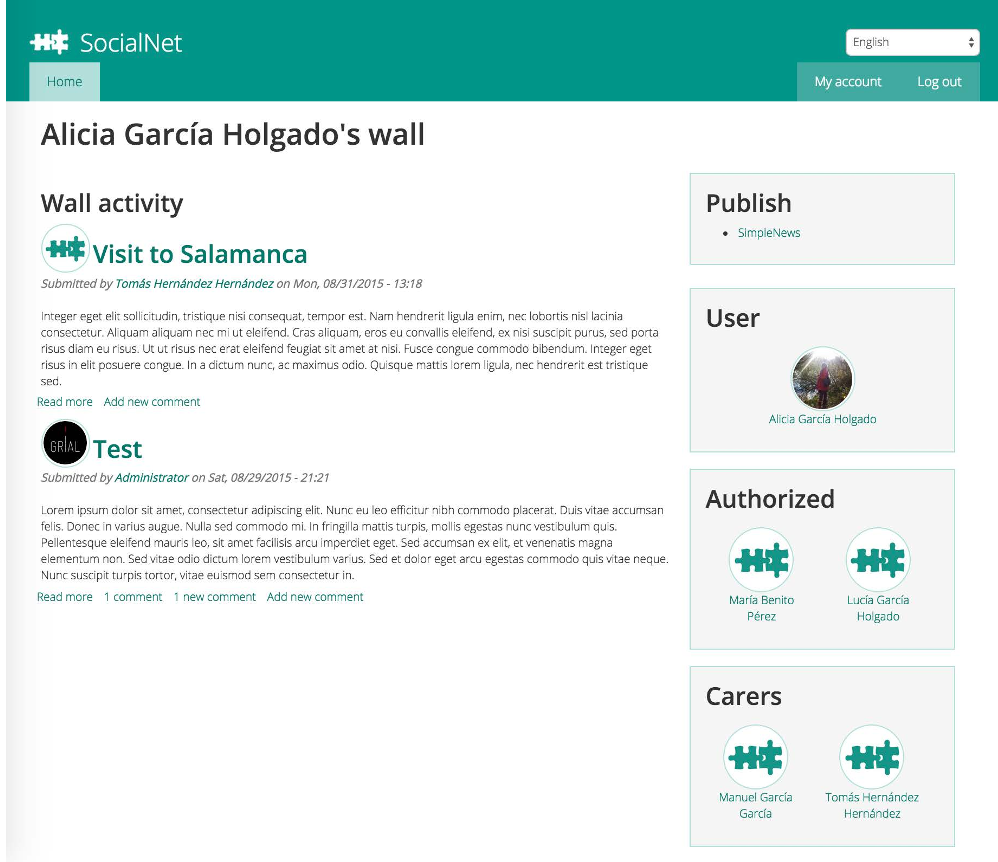 Figure 1: The "Wall" metaphor provides a familiar interface while maintaining strict data silos.
Key Findings & Evolution
1. The Consistency Crisis
In the first study, "Consistency and Standards" was the biggest pain point (16 problems). Buttons led to nowhere, and navigation labels were confusing. By Phase 2, these were reduced by 70%.
2. The Privacy Paradox
Interestingly, while most errors decreased in Phase 2, Privacy-related issues increased by 25%. Why? The authors suggest that as the evaluator gained "expert knowledge" of the system, they were better able to probe the complex hierarchy of roles (General Manager vs. Caregiver). This highlights that for complex medical software, a single expert who "learns" the system might be more effective at finding security loopholes than multiple surface-level reviewers.
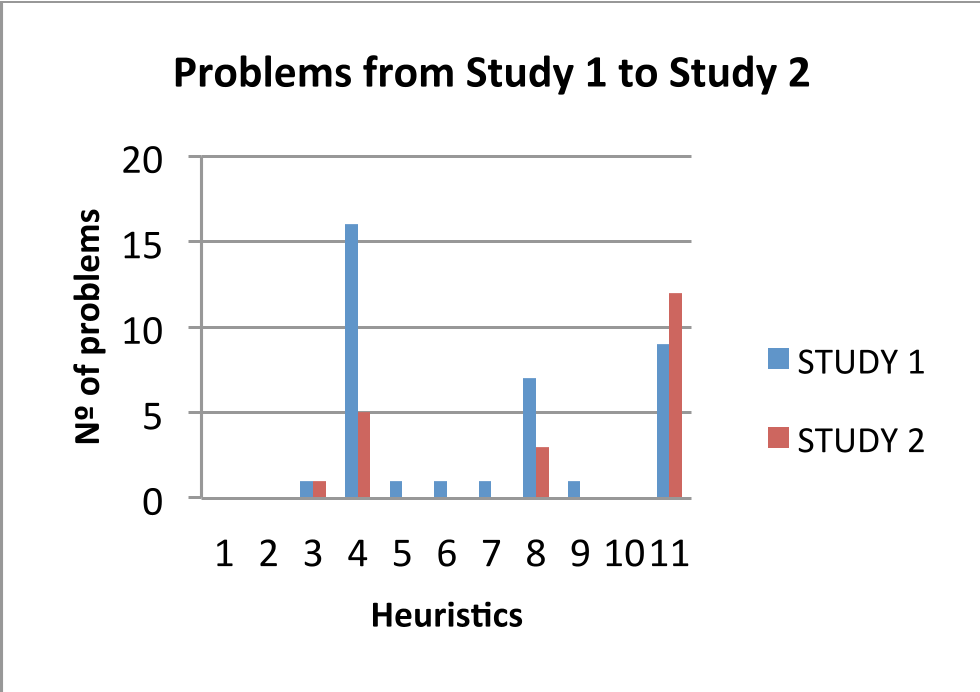 Figure 2: Drastic reduction in UI/Consistency issues vs. the increased discovery of Privacy nuances.
Impact & Redesign Highlights
- User Control: Added "Cancel" and "Undo" buttons to posting forms, reducing user anxiety regarding erroneous posts.
- Aesthetic Minimalism: Removed redundant buttons for roles that didn't have the permissions to use them, reducing cognitive load.
- Permission Hardening: Refined the Drupal module configurations to ensure caregivers only see authorized patient information.
Critical Insight: The "Deep Knowledge" Evaluator
The paper makes a compelling case for the Single Expert / Double Review model. While academic tradition often suggests using 3-5 different evaluators, this study proves that in specialized domains (like HIPAA-adjacent software), an evaluator's "learning curve" is an asset. The more the expert understood the system's intent, the more effectively they could "stress test" the privacy barriers.
Conclusion
SocialNet demonstrates that usability in healthcare isn't just about "pretty buttons"—it's about building a digital environment where the interface itself acts as a safeguard for the patient's dignity and the family’s peace of mind. The iterative heuristic approach successfully transitioned SocialNet from a "working prototype" to a "clinically viable tool."
Future Work: The team is currently moving into Phase 2: User Testing with actual psychiatric patients and their families to validate these expert findings in the real world.