
InEdUn: Breaking the Silos of Higher Education Teaching Innovation
A higher education social network to share and promote teaching innovation experiences
This paper introduces InEdUn, a specialized social network infrastructure designed to aggregate and promote Teaching Innovation Projects (TIPs) across higher education institutions. Developed via User-Centered Design (UCD) and built on the Drupal CMS, the platform achieves inter-university collaboration and resource sharing (OER) while maintaining a low-maintenance, scalable architecture.
TL;DR
Higher education is rife with teaching innovation, yet these efforts often vanish into the "black hole" of departmental silos. InEdUn is a specialized social network designed to bridge this gap. By utilizing a User-Centered Design (UCD) approach and Federated Login, it creates a unified ecosystem for faculty to share Open Educational Resources (OER) and find collaborators across different universities without the friction of traditional social media.
The Problem: The "Invisibility" of Academic Innovation
While most universities have "Teaching Innovation Offices," the impact of their projects is rarely felt beyond the immediate team. The authors identify three critical pain points:
- Fragmentation: Information is scattered across disparate local repositories.
- Low Connectivity: Inter-university collaboration is nearly non-existent due to a lack of specialized networking tools.
- Participation Friction: Creating new accounts for every platform discourages busy faculty members from staying active.
Methodology: Designing for Busy Professionals
The researchers didn't just build a website; they followed a rigorous User-Centered Design lifecycle.
1. Research Phase
Surveys of over 600 participants revealed a "hunger" for collaboration. Interestingly, 100% of university innovation managers expressed a desire for an inter-university site to supplement local ones.
2. The Core Architecture
Instead of competing with institutional portals, InEdUn was designed as an aggregation layer.
- Federated Authentication: Using the SAML standard, faculty log in with their home university credentials. This ensures "Academic Trust."
- Embeddable Ecosystem: Understanding that universities want to keep their "branding," the authors developed a system where InEdUn content can be embedded directly into local university websites via generated HTML snippets.
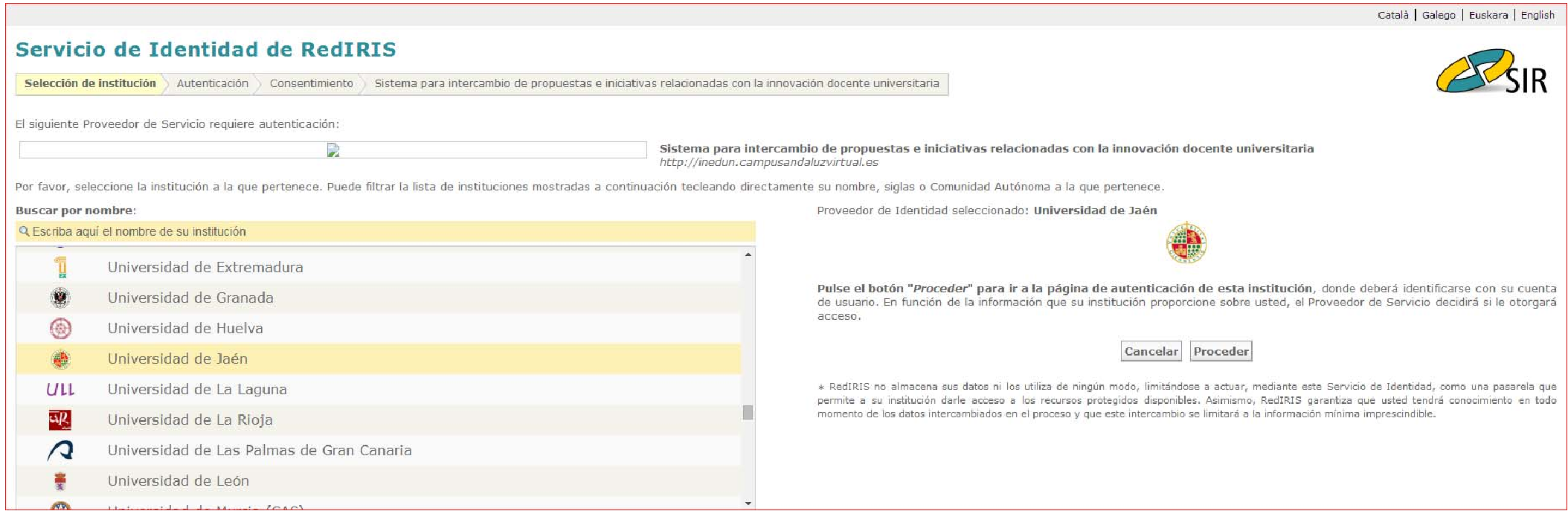 Figure 1: The Federated Authentication Service (RedIRIS) preserves trust and eases user onboarding.
Key Features: Beyond "Just a Social Network"
InEdUn functions more like a specialized ResearchGate for teaching:
- Dynamic Taxonomy: A mix of closed-term classifications (Knowledge Areas) and open-term Folksonomies (User-generated tags) makes projects highly searchable.
- Recommendation System: A simple "Upvote" style mechanism to highlight high-quality teaching resources.
- Social Promotion: Automatic email triggers to project partners to bring them into the network immediately upon a project's creation.
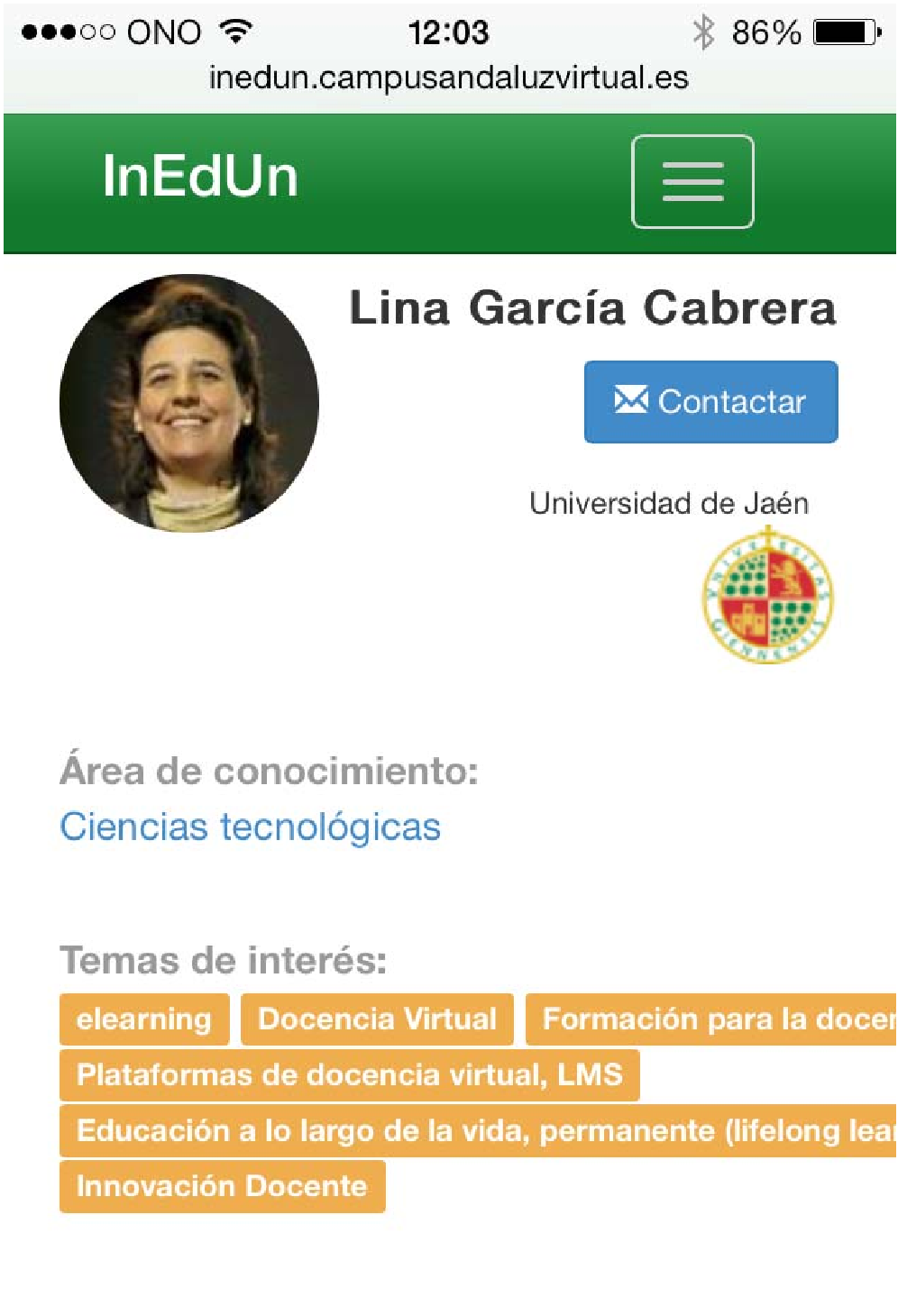 Figure 2: Responsive design ensures that faculty can browse teaching resources across all devices.
Results and Impact
The system underwent rigorous usability testing using the Krug Method, which focuses on "finding and fixing" problems in small, iterative rounds.
- Adoption: 10 Andalusian universities have indicated support.
- User Feedback: Initial users reported that the interface was "invisible"—meaning the UI was so intuitive they could focus on the content rather than learning the tool.
- Integration Case Study: Figures in the paper show the University of Córdoba successfully embedding the InEdUn widget, proving that a centralized database can power a decentralized web.
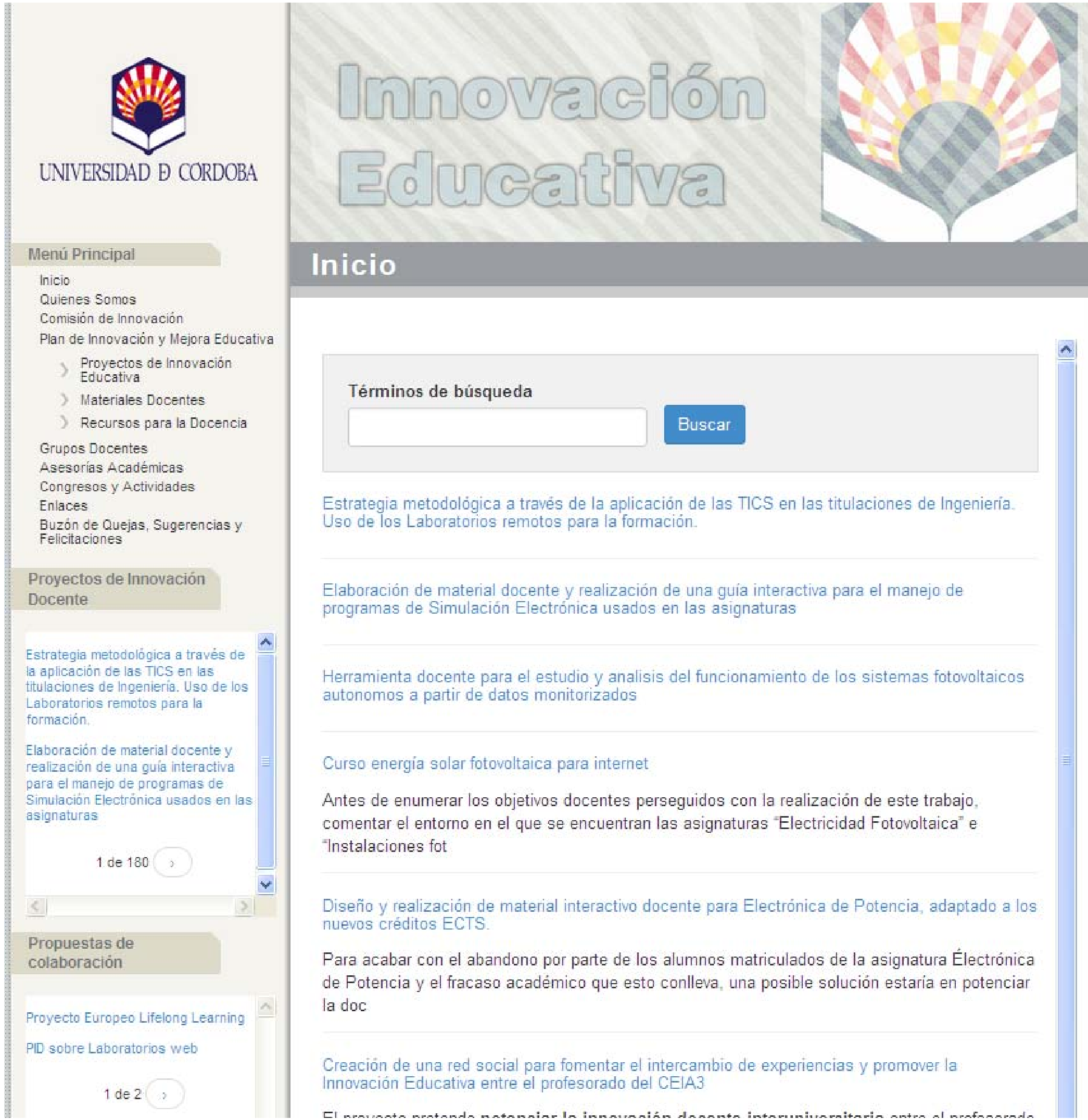 Figure 3: Example of InEdUn features embedded within a specific university's local portal.
Critical Insight: Community over Infrastructure
The true value of InEdUn isn't the CMS (Drupal) or the SAML login; it's the social strategy. By providing "Integration Tools" (Widgets) rather than demanding users leave their university portals, the authors solved the political problem of institutional "branding."
Future Outlook: While the pilot was localized to Andalusia, the technical foundation (SAML + Drupal) allows for effortless scaling to the larger Spanish-speaking community or global contexts. The challenge remains maintaining community engagement once the novelty of the platform wears off—a problem common to all academic social networks.
Takeaway
If you are building a tool for researchers or faculty, follow the InEdUn model: Respect the institution, simplify the login, and make the data embeddable.