
HiMotion: Bridging the Gap Between Cognitive Load and Digital Behavior
HiMotion: a new research resource for the study of behavior, cognition, and emotion
HiMotion is a comprehensive multimodal database and research framework designed to study human behavior, cognition, and emotion through synchronized human-computer interaction (HCI) and psychophysiological data. It integrates five specialized cognitive tasks and a 14-clip affective video bank with a robust hardware-software setup for high-fidelity data collection.
TL;DR
The HiMotion project introduces a novel multimodal database that synchronizes traditional Human-Computer Interaction (HCI) data—like mouse movements and keyboard events—with a full suite of psychophysiological signals (EEG, ECG, EDA). Unlike prior datasets that focus on passive observation, HiMotion uses active cognitive tasks to elicit specific mental states, offering a unique resource for researchers in affective computing and behavioral biometrics.
The Missing Link in Affective Computing
While the field of affective computing has matured significantly, a critical gap remains: the cognitive component. Most researchers have historically relied on passive stimuli—viewing a sad image or listening to a frightening sound. However, in the real world, our emotions are often tied to the tasks we perform. Use a frustrating interface, and your stress levels spike; solve a complex puzzle, and you experience the "Eureka" moment.
Existing databases (like MAHNOB-HCI or DEAP) focused largely on video-based emotion elicitation. HiMotion shifts the focus toward active engagement, capturing not just how we feel, but how those feelings translate into our digital behavior.
Methodology: High-Fidelity Multimodal Synchronization
The core innovation of HiMotion is its synchronized acquisition architecture. The researchers developed the Web Interaction Display and Monitoring (WIDAM) system to log every click and keystroke in a web-based environment.
1. The Cognitive Battery
HiMotion provides five distinct tasks designed to stress-test different cognitive functions:
- Intelligence Test: Logic sequences based on the Wisconsin sorting test.
- Memory Test: Spatial and iconic memory via matching pairs.
- Association Test: Associative memory using abstract symbols.
- Discovery Test: Eliciting the "Aha!" moment through animal silhouette identification.
- Concentration Test: High-attention numerical search task.
2. The Hardware Setup
To ensure that a mouse click at millisecond aligns perfectly with an EEG spike at millisecond , the authors built a custom electronic adaptation device. By tapping into the electrical signal of the mouse button switch, they created a hardware-level synchronization trigger that simultaneously feeds into the physiological acquisition system and triggers a LED for video frame alignment.
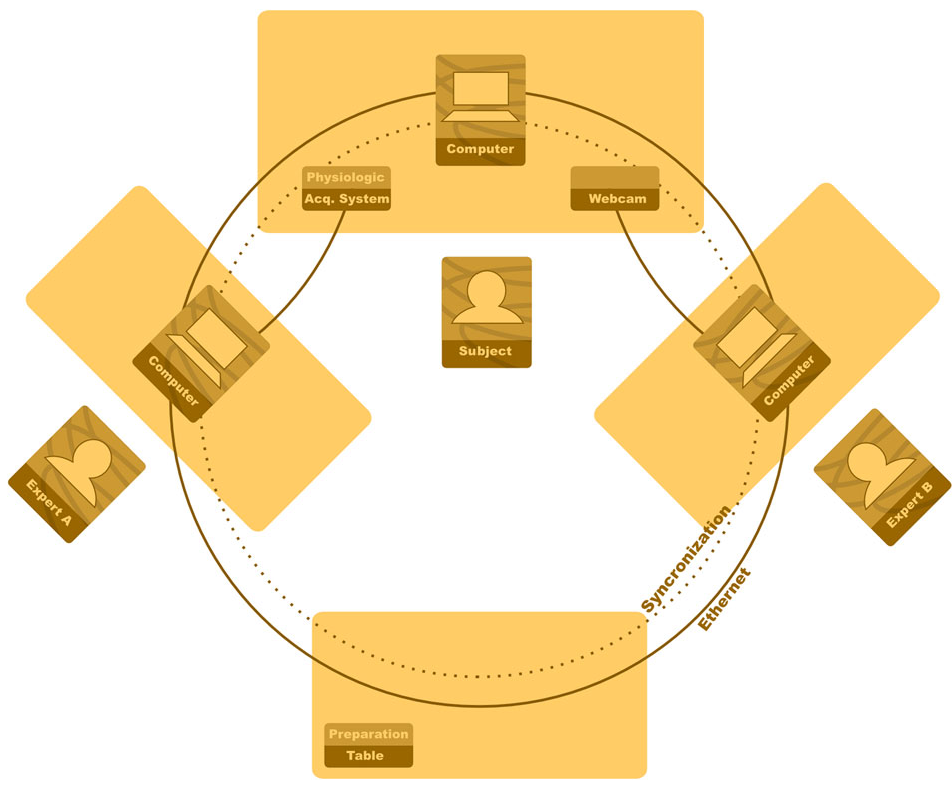 Figure 1: Perspective of the participant station during data collection.
Experimental Insights: What the Data Tells Us
The paper doesn't just present a database; it validates its utility through several groundbreaking studies.
Behavioral Biometrics
One of the most compelling findings is the uniqueness of our digital "footprint." Using data from the Memory Test, researchers found that mouse movement dynamics are distinctive enough to achieve an Equal Error Rate (EER) of 2-10%, suggesting that our behavior could eventually replace passwords.
Physiological Markers of Stress
By analyzing ECG (Electrocardiogram) data during the Concentration Test, the team observed clear morphological changes in the heartbeat waveform as cognitive stress increased. These patterns were so consistent that they could be used to identify individuals with over 98% accuracy.
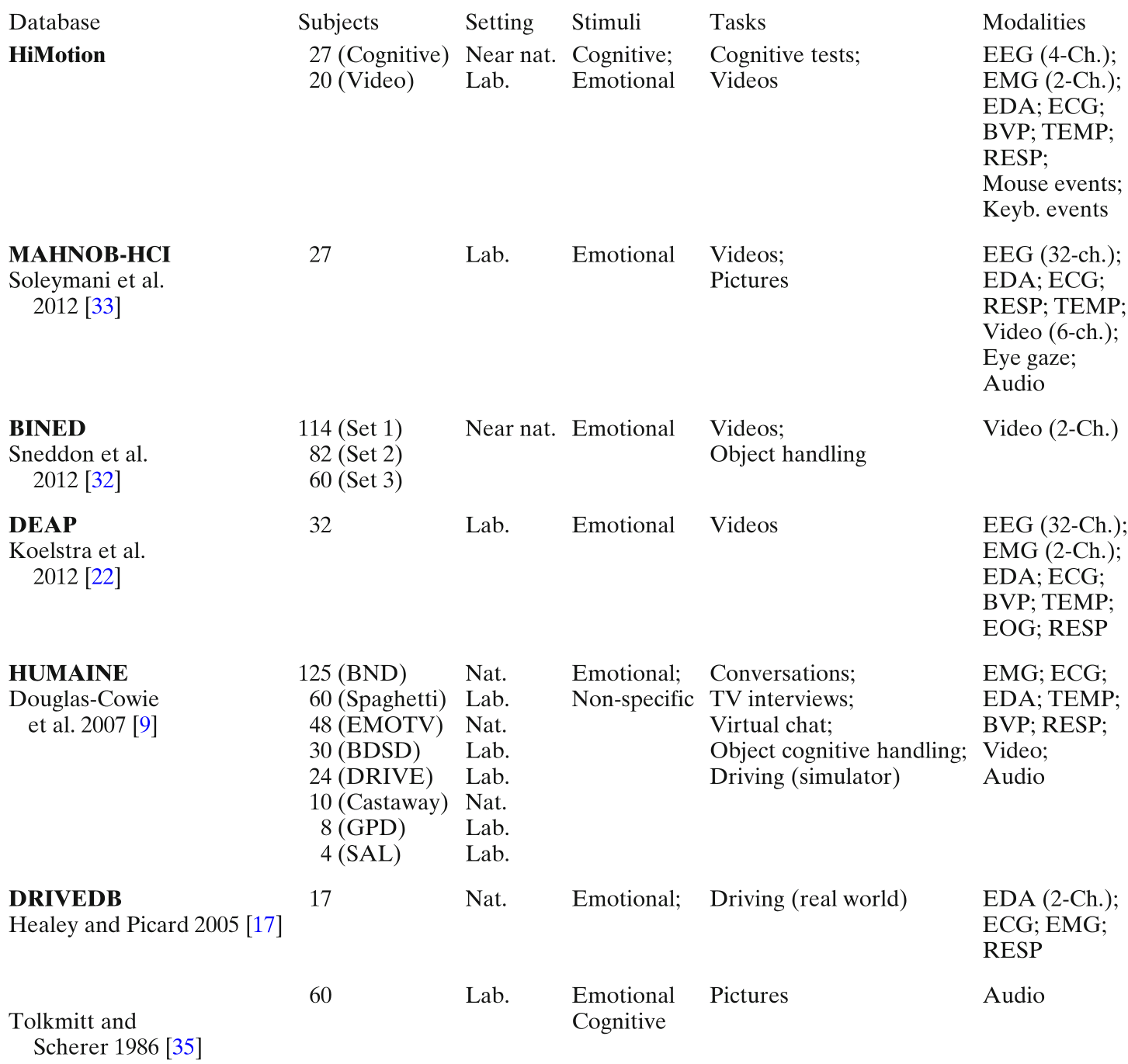 Table 1: HiMotion vs. existing databases. Note the unique inclusion of Mouse and Keyboard events alongside high-density EEG and peripheral signals.
Critical Analysis & Future Outlook
HiMotion's biggest contribution is the standardization of cognitive-load-centric data collection. By providing open-source tools and a verified video bank, the authors have lowered the barrier to entry for studying complex human-computer loops.
Limitations: The initial population size (27 for cognitive tasks, 20-25 for video) is relatively small for training modern deep learning models. Future iterations would benefit from longitudinal data—recording the same subjects months apart—to see if these behavioral "biometrics" remain stable over time.
Conclusion: HiMotion is more than just a dataset; it's a blueprint for the next generation of Adaptive User Interfaces. By understanding the physiological correlates of cognitive struggle, future software might one day naturally simplify its layout or suggest a break, making the machine truly "empathetic" to the human operator.