
Kansei Engineering: The Architecture of Human Emotion in AI and Design
History of Kansei Engineering and Application of Artificial Intelligence
This paper provides a historical review of Kansei Engineering (KE), a consumer-oriented technology developed by Mitsuo Nagamachi to translate human emotions into design specifications. It highlights the successful implementation of KE across 60+ products—from Mazda sports cars to Boeing 787 interiors—incorporating Artificial Intelligence and Virtual Reality to automate emotional-to-physical design mapping.
TL;DR
Kansei Engineering (KE) is a pioneering methodology that transforms "feelings" into "formulas." Developed by Mitsuo Nagamachi, it bridges the gap between psychology and industrial design. By utilizing statistical analysis and AI, KE has revolutionized products ranging from the Mazda Miata to Boeing aircraft interiors, proving that "customer emotion" can be engineered with precision.
Background & Motivation: Beyond Functional Ergonomics
For decades, industrial engineering focused on efficiency and physical ergonomics (how a hand fits a handle). However, Dr. Nagamachi realized in the 1970s that products often lacked "soul." The Japanese concept of Kansei encompasses emotion, sensation, and intuition.
The core problem Nagamachi addressed was: How do we quantify the "want" of a customer? Standard surveys often fail to capture deep-seated emotional needs. Through observation and psychological scaling, KE aims to decode the "black box" of human emotion to drive the next generation of product innovation.
Methodology: The Science of Feeling
The paper outlines a robust 6-step workflow to operationalize emotion:
- Direct Observation: Using video analysis to find ergonomic "pain points" (e.g., observing that refrigerator users hate bending down).
- Category Classification: Organizing emotional descriptors into a hierarchy (Tree Structures or Fishbone Diagrams).
- Psychological Scaling: Using Semantic Differential (SD) scales to quantify feelings (e.g., how "elegant" a design feels on a 1-7 scale).
- Multivariate Analysis: Using Factor Analysis and PCA to identify which design elements (color, shape, texture) correlate with specific emotions.
- Kansei Rough Set Model: A mathematical tool to reveal hidden relationships between emotional "words" and hardware "specs."
- AI & VR Systems: Real-time decision support systems that ask users about their lifestyle and feelings, then automatically generate a 3D VR design.
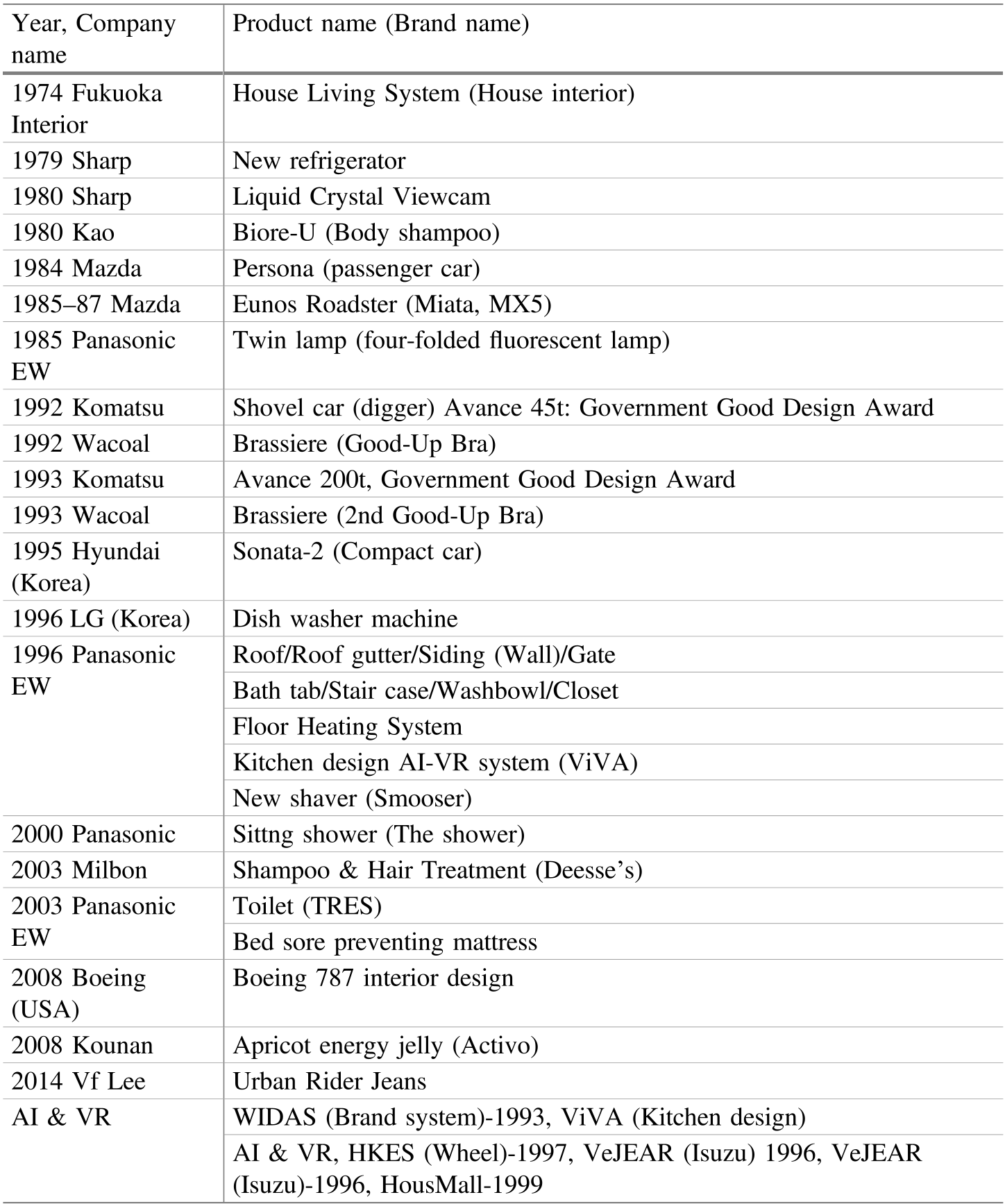 Table 1: A historical timeline of KE products, showing the evolution from physical furniture to complex AI-VR systems.
Case Studies: When Math Meets Magic
1. The Mazda MX5 (Miata)
Mazda utilized "Category Differentiation" to develop the Miata. Engineers watched movies of young drivers and used the "Card Method" to link words like "compact" to specific technical specs (4m length, 2 seats). This emotional alignment made the MX5 the most celebrated sports car for decades.
2. The Ergonomic Refrigerator
By analyzing video footage of wives cooking, Nagamachi discovered they opened the lower vegetable drawer 80% of the time, causing back strain. The "Kansei solution" was to flip the traditional layout—moving the vegetable drawer to the top and using specific temperature zones (0–2 °C) to enhance the "feeling" of freshness.
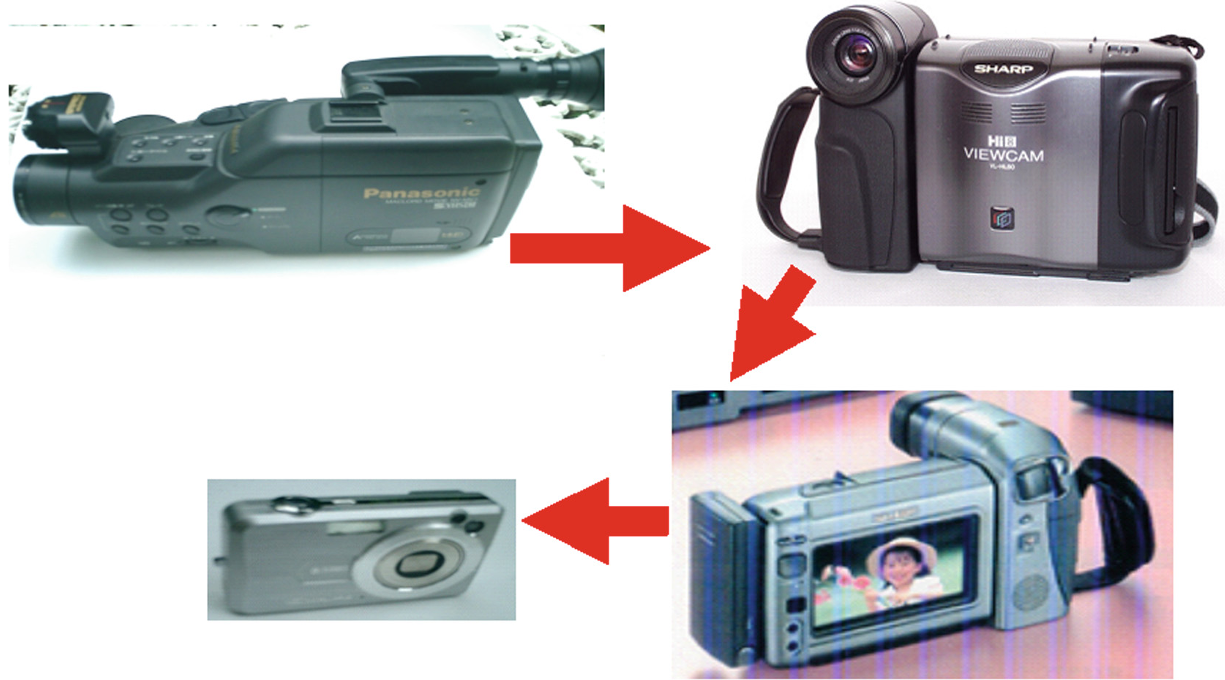 Figure: The linkage between emotional descriptors and physical design elements in the Mazda project.
3. AI-VR Kitchen Design (ViVA)
The ViVA system is a precursor to modern "configurators." It uses an expert system (AI) to analyze a user's lifestyle and output a personalized kitchen.
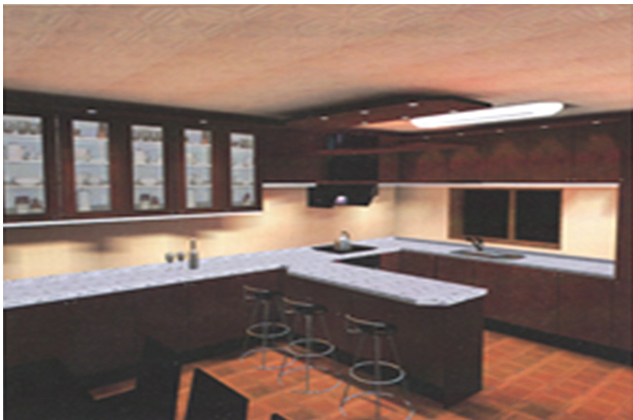 Figure: The ViVA AI-VR system in action—a bridge between consumer desire and automated manufacturing.
Critical Insight: The "AI-Designer" Collaboration
A crucial takeaway from this paper is that AI does not replace the designer. Nagamachi emphasizes that while statistics and AI provide the "design property list" (the data), the Final Outcome requires an excellent human designer to synthesize those properties into a beautiful, cohesive product.
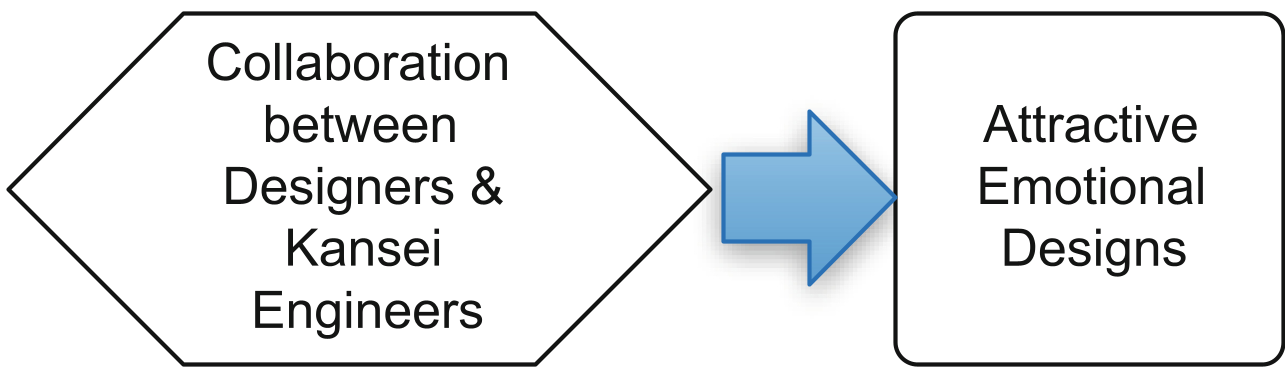 Figure: The final successful outcome is a result of KE data meeting creative design.
Conclusion & Future Outlook
The legacy of Kansei Engineering is the realization that "human-centeredness" is a quantifiable engineering metric. From medical mattresses that prevent bedsores to the interior of the Boeing 787 Dreamliner, KE has proven its versatility.
Limitations: The paper notes that KE is highly dependent on the quality of initial psychological scales and requires a tight feedback loop between engineers and designers.
Future Directions: As we move into the era of LLMs and Generative AI, the principles of Kansei Engineering are more relevant than ever. Imagine an AI that doesn't just generate a generic 3D model, but one that is "hard-wired" to evoke specific neuro-aesthetic responses based on decades of KE data.