
HCI in Higher Education: Transforming Administrative Complexity into Intelligent Synergy
Application Experience of Human-Computer Interaction in Educational Management at Colleges and Universities
This paper explores the integration of Human-Computer Interaction (HCI) technology within the educational management systems of colleges and universities. It details a multi-modular framework—spanning from student status to graduation management—aimed at replacing traditional manual processes with intelligent, standardized digital workflows.
Executive Summary
TL;DR: This paper analyzes the evolution and application of Human-Computer Interaction (HCI) within the specialized field of university educational management. By dissecting eleven core modules—from course scheduling to graduation auditing—it argues that HCI is no longer just a tool but a "comrade-in-arms" that liberates staff from clerical drudgery while introducing a layer of intelligent verification that human manual processes lack.
Positioning: This work serves as an application-oriented review and a visionary roadmap, positioning HCI transition from a Command-Line Interface past to an Intelligent, Human-Centered future in the specific niche of academic administration.
Problem & Motivation: The "Chaos" of Manual Management
Educational management at the university level is a high-stakes, interlocking puzzle. A single error in a Teaching Plan or a Course Conflict can delay a student’s graduation by an entire semester. Traditional methods rely on "manpower" to double-check vast spreadsheets, which is:
- Error-Prone: Human fatigue leads to overlooked scheduling conflicts.
- Inflexible: Data is static and hard to query across different departments.
- Opaque: Students and administrators often see different versions of "truth" regarding credits and performance.
The author’s insight is that HCI shouldn't just record data; it should actively prevent errors through Systemic Constraints and Smart Warnings.
Methodology: The Modular Architecture of Intelligence
The paper outlines a comprehensive ecosystem where HCI acts as the interface between raw data and administrative decision-making.
Core Architectural Philosophy
The shift is from "System Management" to "Human-Environment Interaction." Key modules include:
- Course Arranging Management: Utilizing man-machine co-scheduling to instantly flag teacher or room conflicts.
- Performance & Examination Management: Protecting privacy through code-response systems while automating the distribution of exam hall assignments.
- Graduation Audit: Moving from manual transcript review to automated credit calculation and "Academic Early Warning" systems.
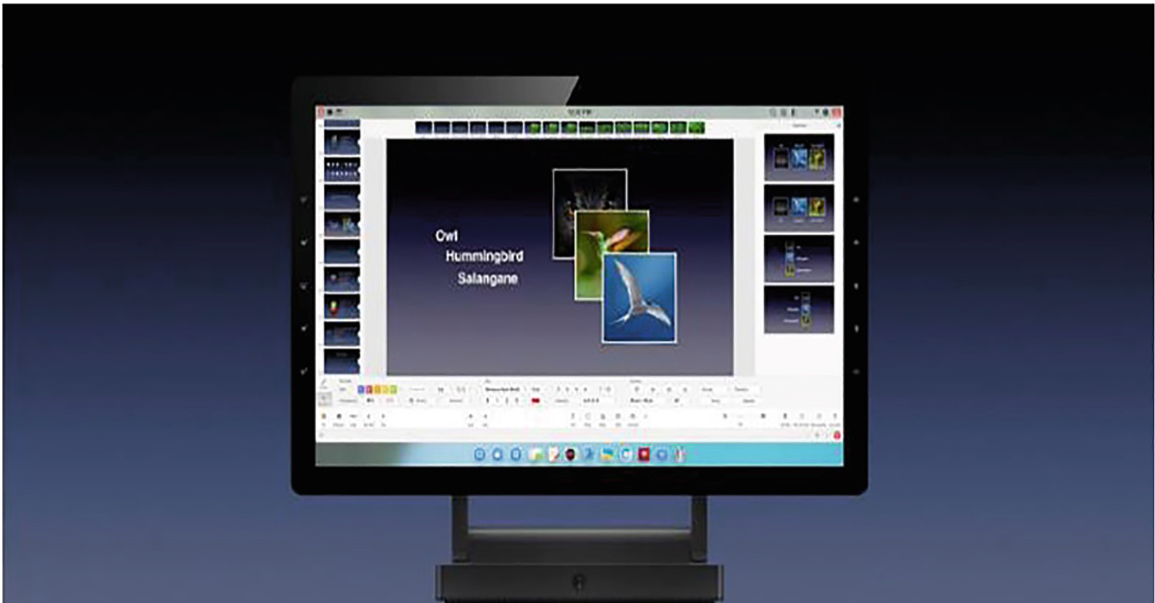 Fig 1: The stages of HCI interface evolution leading to modern intelligent interaction.
Experimental Insights: Gains and Gaps
While the paper is primarily qualitative, it highlights specific "wins" in the university setting:
- Precision: HCI prevents operators from continuing with conflicting schedules, an "impossible" feat for manual systems.
- Efficiency: Subscription of teaching materials is now filtered and previewed digitally, preventing "invalid expenses."
Critical Limitations: The "Instability" Factor
The author candidly identifies three "pain points" in current implementations:
- System Instability: Frequent log-outs and inconsistent access channels create mental stress for staff.
- Data Uncertainty: Discrepancies between staff-side and student-side data views.
- Disnormativity: Systems that force a "delete and re-enter" approach for minor errors rather than allowing modular modifications.
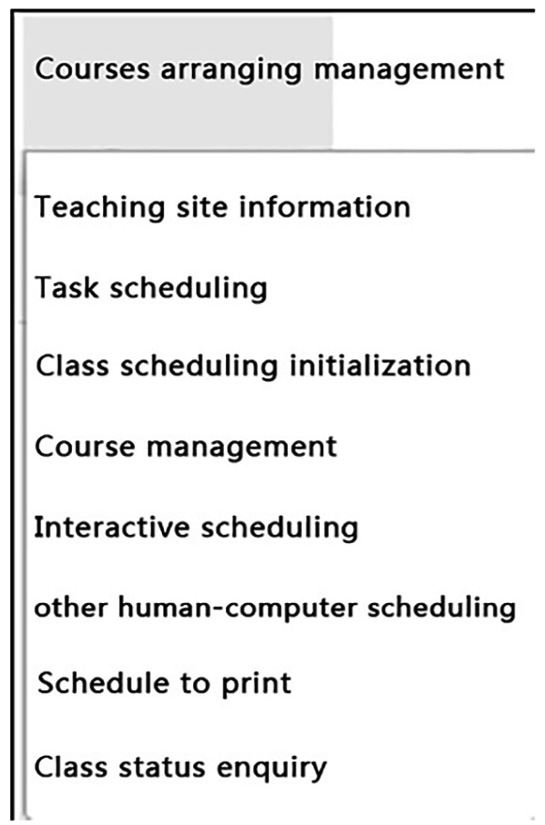 Fig 2: Course arranging management - where HCI logic meets administrative constraints.
Deep Insight & Conclusion
The Takeaway
The true value of HCI in education management lies in Cognitive Offloading. By allowing the machine to handle the "disnormative" and tedious checks, humans are freed to focus on counseling and strategic planning.
Future Outlook: "User Freedom"
The paper envisions a transition to Voice-Commanded, Multimodal Intelligence. Instead of clicking through menus, an administrator might simply state: "Find all students in Major X who are short 2 credits," and the system will execute the audit.
Final Thought
The integration of HCI is inevitable, but its success depends on Human-Centered Design. A system that is technically powerful but ergonomically "clunky" will fail to achieve the "unbreakable friendship" between human and computer that this paper facilitates.