
Predictive HR: Decoding Tech Talent Turnover with SOM-BPN Hybrid Intelligence
Using hybrid data mining and machine learning clustering analysis to predict the turnover rate for technology professionals
This study presents a hybrid machine learning framework combining Self-Organizing Maps (SOM) and Back-Propagation Networks (BPN) to predict turnover trends among technology professionals in Taiwan. By clustering 28 psycho-demographic variables, the model achieves a SOTA classification accuracy of 92.7%.
TL;DR
Retaining technology professionals is a high-stakes challenge where traditional statistics often fail. This research introduces a hybrid machine learning architecture—SOM+BPN—that segments employees into four distinct "turnover risk" circles. By analyzing 28 variables from Taiwanese tech firms, the model achieves a 92.7% accuracy rate, revealing that supervisor loyalty, not just salary, is the ultimate North Star for retention.
Context: The Post-Lunar New Year Talent Exodus
In the Taiwanese tech sector, the period following the Chinese New Year marks a seasonal peak in resignations. Traditional HR metrics struggle to differentiate between "functional turnover" (losing low performers) and the catastrophic "non-functional turnover" (losing key talent). The authors argue that prior work using simple Logistic Regression or market-basket analysis lacks the depth to model the psychological nuances of an employee's "turnover trend."
Methodology: The Two-Phase Hybrid Engine
The core innovation lies in combining unsupervised dimensionality reduction with supervised classification.
1. Feature Engineering & Validation
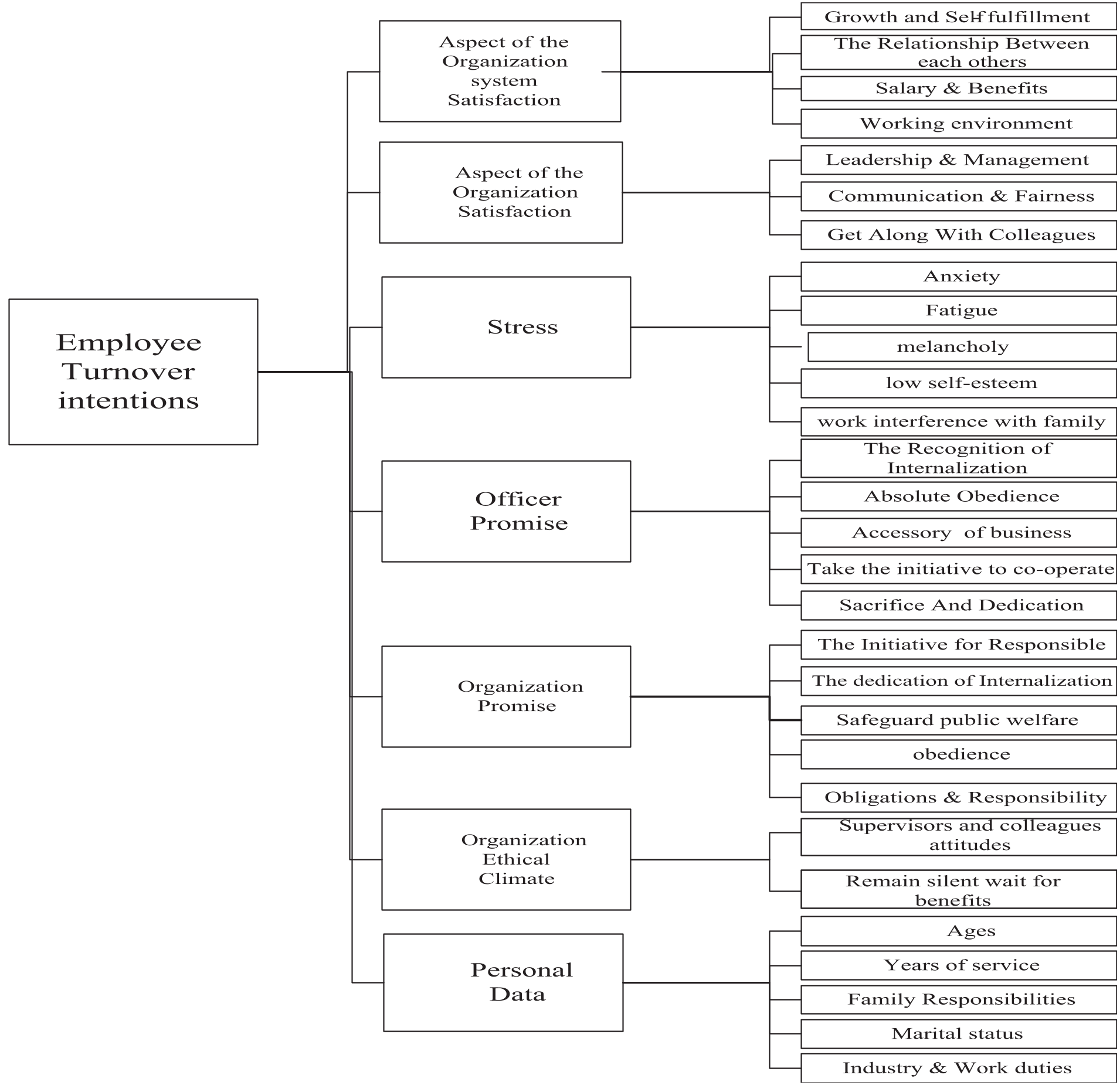
The study extracted 24 psychological variables (e.g., Internalized Identification, Job Stress) and 4 demographic variables (e.g., Age, Marital Status). These were validated using Factor Analysis to eliminate collinearity and ensure high construct validity.
2. The SOM-BPN Pipeline
- Phase 1 (SOM): The Self-Organizing Map functions as a nonlinear feature extractor. It maps high-dimensional employee data onto a 2D grid, minimizing the Root Mean Square Error (RMSE) to find the most natural "groupings."
- Phase 2 (BPN): These groups are then fed into a Back-Propagation Network. This supervised phase fine-tunes the decision boundaries, allowing the system to categorize new employees into one of four risk clusters with high precision.
Experimental Results: Precision Matters
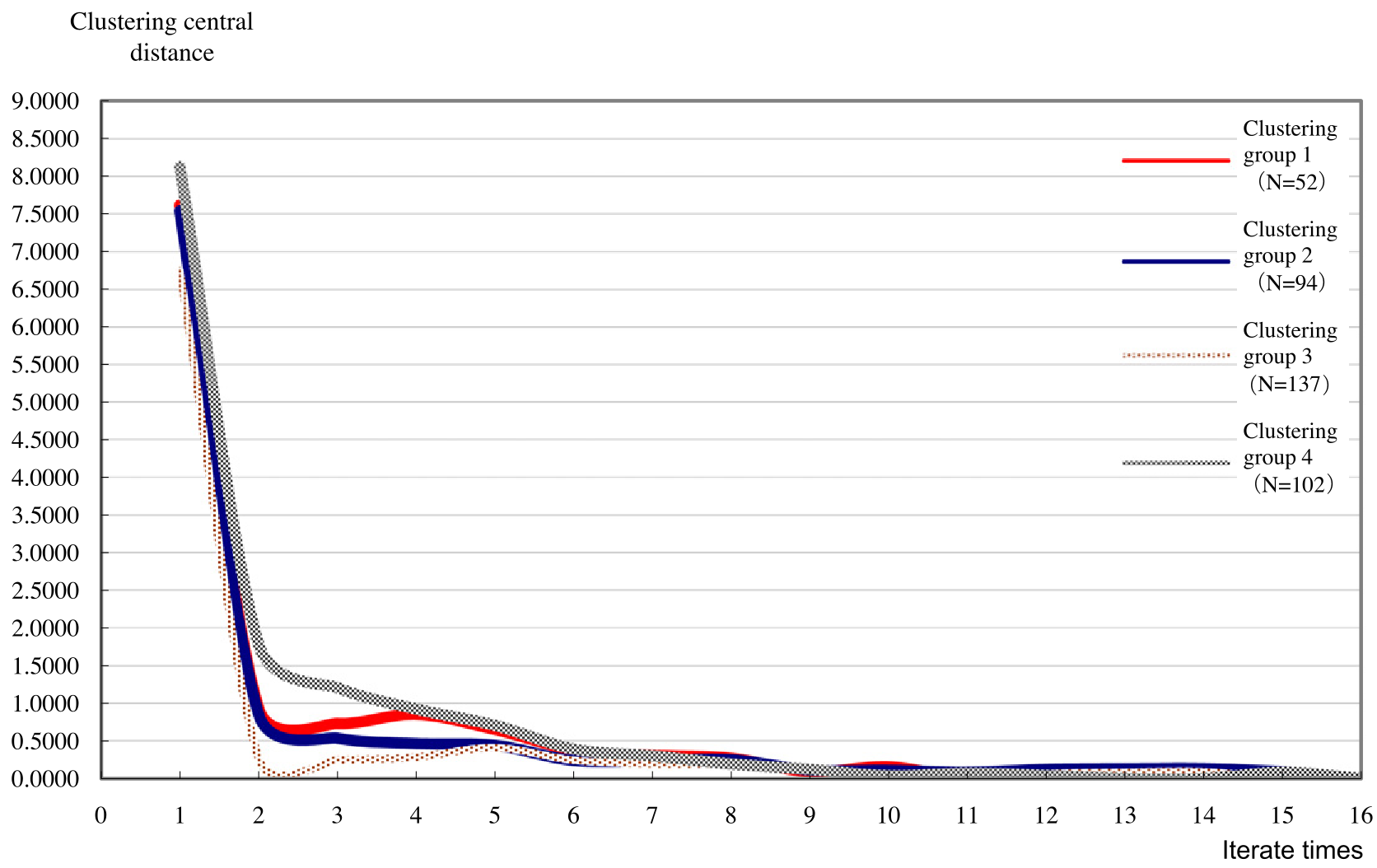
The researchers tested the model against 421 valid samples. The convergence was remarkably efficient, stabilizing within 16 iterations for the four-group classification.
| Method | Accuracy (%) |
|---|---|
| K-means Clustering | 63.5% |
| Standard BPN | 87.2% |
| SOM + BPN (Proposed) | 92.7% |
The visual evidence from the learning curves demonstrates a rapid reduction in error, highlighting the stability of the hybrid approach compared to flatter, single-algorithm models.
Deep Insight: Supervisor vs. Organization
A fascinating cultural finding distinguishes this study: Supervisor Commitment (loyalty to one's direct boss) is a significantly stronger predictor of retention than Organizational Commitment.
In many tech firms, high-performing "alpha" supervisors often have loyal subordinates who will follow them to a competitor if the supervisor resigns. This implies that companies focusing purely on "company culture" or "salary benchmarks" while neglecting leadership quality are fundamentally misdiagnosing their turnover risk.
Critical Analysis & Future Outlook
While the SOM-BPN model provides a powerful "snapshot" of turnover risk, it remains a static analysis.
- Limitations: The data is specific to a 2009-2012 cohort in Taiwan. The psychological drivers of Gen Z tech workers in 2026 likely involve different variables, such as "Remote Work Flexibility" or "AI-Augmentation Stress."
- Future Work: The authors suggest integrating Fuzzy Theory to handle the "grey zones" where an employee is neither fully committed nor fully resigned.
Conclusion
This paper serves as a bridge between behavioral science and computational intelligence. By moving from "Why did they leave?" (Post-mortem) to "Who is about to leave?" (Predictive), organizations can proactively intervene, saving the immense costs associated with losing key human capital.