
iMARECULTURE: Bridging the Abyss with VR and Underwater AR
Project iMARECULTURE: Advanced VR, iMmersive Serious Games and Augmented REality as Tools to Raise Awareness and Access to European Underwater CULTURal heritagE
iMARECULTURE is a multidisciplinary project that leverages Virtual Reality (VR), Augmented Reality (AR), and Serious Games to provide immersive access to underwater cultural heritage sites. It utilizes digital twins of Mediterranean shipwrecks like Mazotos and Xlendi to create "dry visits" for the public and real-time AR assistance for divers.
TL;DR
The iMARECULTURE project is a pioneering initiative that brings the hidden "museums" of the deep sea to the surface. By combining high-resolution 3D archaeological surveys with VR, holographic displays, and specialized underwater AR tablets, the project transforms unreachable shipwrecks into interactive educational experiences, allowing both the general public and divers to explore European maritime history safely and intuitively.
The Problem: The Inaccessible Museum
The Mediterranean Sea is a graveyard of civilizations, holding shipwrecks that date back millennia. However, these sites (like the Xlendi shipwreck at 110 meters) are inaccessible to almost everyone except specialized elite divers and robotic submersibles. Existing projects have focused on the What—using robots (ROVs) and scanners to monitor wood degradation or site stability—but they have largely ignored the Who—the public. Without interaction, these sites remain "dead" to the cultural memory of Europe.
Methodology: From Point Clouds to Serious Play
The core of iMARECULTURE lies in its ability to re-purpose scientific data. The project doesn't just record sites; it builds an entire ecosystem around them.
1. The VR "Dry Visit"
For those on land, the project utilizes VR CAVE environments and holographic screens. Unlike standard VR goggles, holographic screens allow multiple museum visitors to witness a 3D artifact simultaneously without special glasses, fostering a social experience in a virtual museum setting.
2. Underwater Augmented Reality (AR)
Perhaps the most ambitious component is the underwater AR system. Divers at the Baiae Archaeological Park use tablets in specialized waterproof housings. As they swim over ruins, the tablet superimposes reconstructions of Roman villas or statues directly onto the live camera feed, providing a "time-travel" experience.
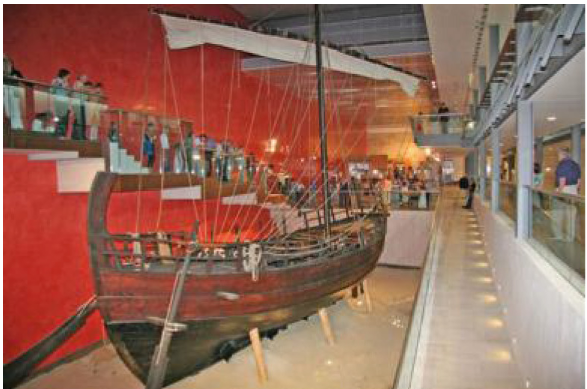 Figure 1: Archaeological sites from the project, including the Mazotos and Xlendi wrecks.
3. Serious Games: Pre- and Post-Visit
To extend the engagement beyond the museum walls, the project introduces two types of serious games:
- Seafaring Game: Users navigate ancient trade routes, managing resources and hazards to understand the connectivity of the ancient Mediterranean.
- Excavation Game: Users partner up for a virtual dive to surface artifacts, teaching them the methodologies and ethics of underwater archaeology.
The "Virtual Sites" and Architecture
The project targets three distinct sites to ensure a wide chronological and geomorphological range:
- Mazotos (Cyprus): A 4th-century BC merchant ship.
- Xlendi (Malta): A Phoenician wreck at 110m depth, providing a challenge for digital reconstruction.
- Baiae (Italy): A submerged Roman city serving as the primary testbed for AR.
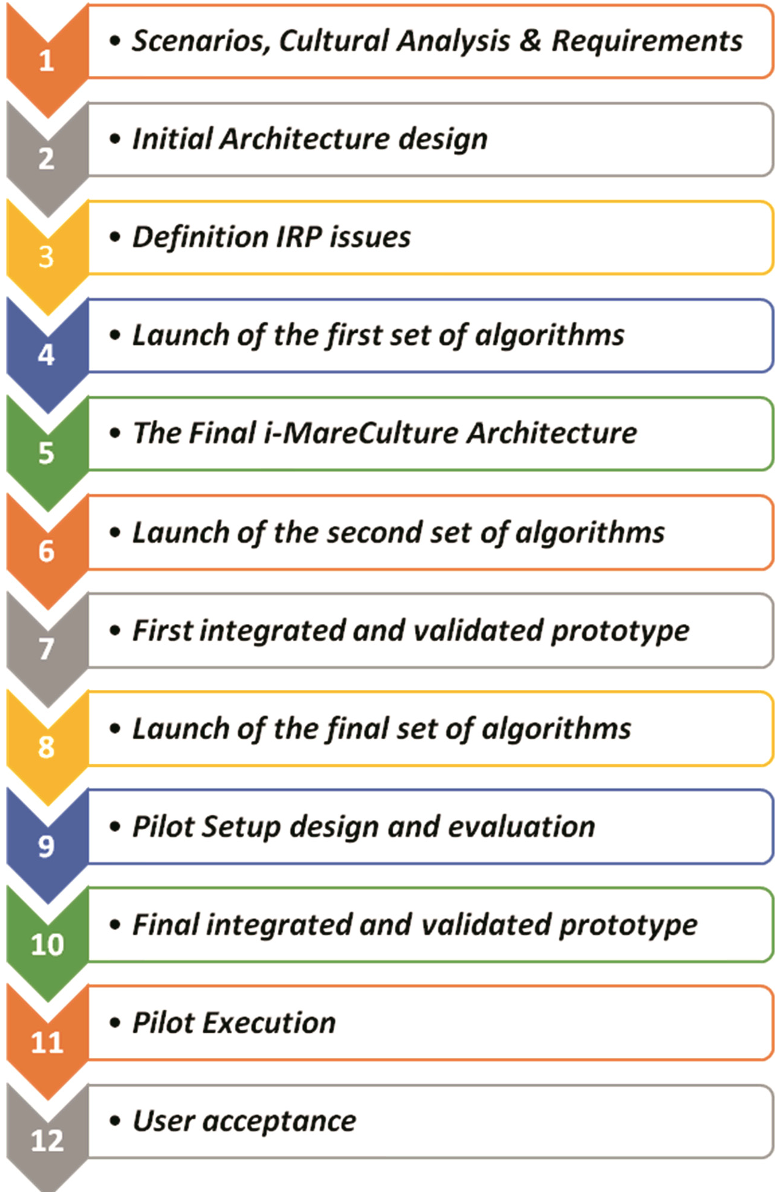 Figure 2: The iterative iMARECULTURE methodology, from scenario definition to final platform assessment.
Scientific and Technical Innovation
iMARECULTURE pushes the boundaries of several fields:
- Ontological Schemes: Using CIDOC/CRM to ensure the 3D data is machine-readable and standardized.
- Hybrid Tracking: Developing tracking solutions that combine acoustic sensors with computer vision to solve the problem of visual blurring and light refraction in underwater AR.
- Digital Libraries: Creating a 3D library of naval engineering models and amphorae types.
Critical Insight & Conclusion
The true value of iMARECULTURE is its Interdisciplinary Synergy. It bridges the gap between the "hard science" of maritime archaeology (precise 3D measurement) and the "soft science" of storytelling and museum pedagogy.
Limitations: While the project is groundbreaking, the reliance on high-bandwidth data and specialized underwater hardware remains a barrier to mass adoption. Future work must focus on optimizing these 3D models for standard consumer smartphones and improving the durability of underwater tracking in murky waters.
In conclusion, iMARECULTURE provides a blueprint for how we can preserve and "visit" the heritage that we can never physically touch, ensuring that even the deepest shipwrecks remain part of our shared human story.