
Meta-APIs: Bridging the OSINT Programming Gap via User-Centric Abstraction
Implementing Multiple-Social-Network Meta-APIs to Support OSINT Programming
The paper introduces a framework of "Meta-APIs" designed to support Open Source Intelligence (OSINT) programming across multiple online social networks (OSNs). By abstracting network-specific interfaces into a unified, user-centric model, the researchers enable developers to write polymorphic code that aggregates data—such as geotags and hashtags—from platforms like Facebook, Twitter, and Instagram simultaneously.
TL;DR
Open Source Intelligence (OSINT) is currently bottlenecked by the diversity of Social Network (OSN) APIs. This paper proposes a Meta-API framework that allows investigators to treat different platforms (Facebook, Twitter, Instagram) as a single abstract entity. By shifting to a user-centric programming paradigm, developers can query a suspect's global footprint—gathering geotags and hashtags—without writing platform-specific code for every target.
Background: The Fragmentation of Digital Personas
In the modern digital landscape, an individual’s identity is rarely confined to one platform. Valuable intelligence is scattered: professional history on LinkedIn, real-time thoughts on Twitter, and visual locations on Instagram.
The core pain point identified by Buccafurri et al. is that despite the existence of OSINT platforms, the underlying software engineering remains primitive. Developers are still forced to handle the "plumbing" of individual APIs (different endpoints, JSON structures, and authentication tokens) rather than focusing on high-level investigative logic.
The Proposed Solution: A Unified Mental Model
The authors argue for an abstraction layer based on a Multiple-Social-Network Model. This model distills the chaos of dozens of social features into a clean, graph-based ontology:
- 3 Core Entities: Profiles (), Resources (), and Bundles ( - containers like posts).
- 8 Canonical Relationships: Including
Follow,Like,Publishing, and the crucialMerelationship (which links different accounts back to the same physical person).
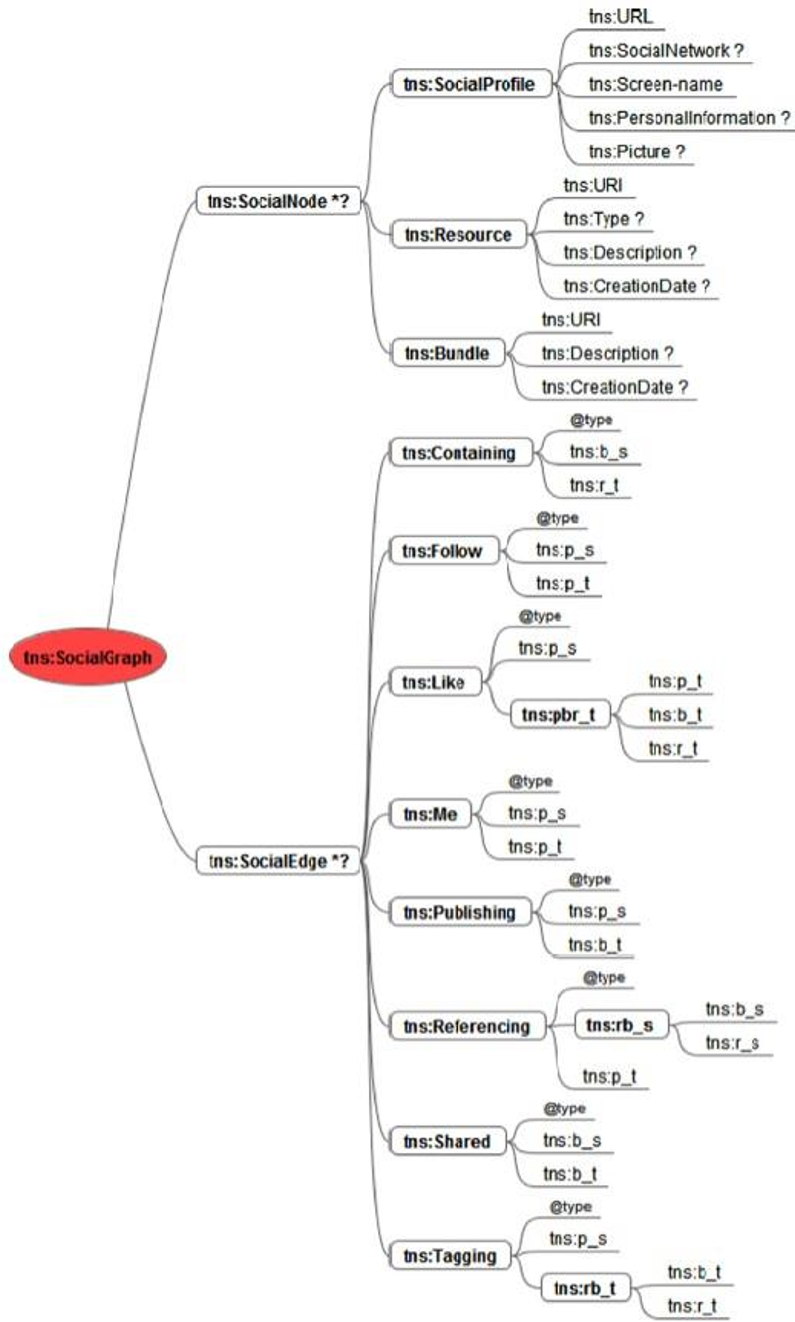
Methodology: From Abstraction to Polymorphism
The technical brilliance of this approach lies in its use of Polymorphism.
Instead of calling TwitterAPI.getTweetsByHashtag and FacebookAPI.getPostsByTag, the programmer interacts with a CompositeSocialProfile. When you request a search, the Meta-API layer iterates through all linked accounts (SingleSocialProfile instances) and executes the correct concrete implementation for each.
Architecture Highlights:
The researchers defined a clear class hierarchy using Java:
- SocialGraph: The master container for nodes and edges.
- SocialNode: Specialized into
AbstractResource,AbstractBundle, andAbstractSocialProfile. - Interfaces: Methods like
verifyMe()andgetFollowers()are defined in interfaces, ensuring a consistent contract regardless of the social network's underlying tech stack.
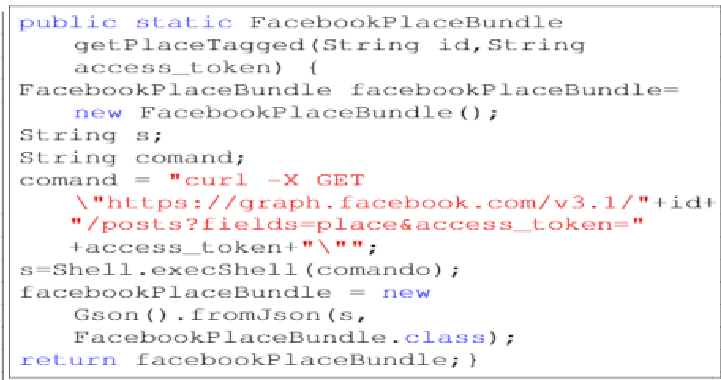
Real-World Application: Geotags and Hashtags
The paper focuses on two of the most critical OSINT data points:
- Geotag Meta-API: Consolidates location data. An analyst can trace a "suspect's movements" over a period by pulling GPS data from every post made across all profiles simultaneously.
- Hashtag Meta-API: Aggregates interests and topics. By merging hashtags from across the web, the framework builds a comprehensive "topic cloud" for the subject.
Critical Insight & Future Outlook
The primary value here isn't just "gathering data"—it's the Engineering Efficiency. By creating an abstract layer, OSINT tools become modular. If a new social network emerges, developers only need to implement one "Concrete Class" to plug it into the entire investigative ecosystem.
Limitations: The authors acknowledge that the first phase of investigation (finding the link between accounts via the Me relationship) remains a challenge, often requiring existing account-linking techniques or official collaboration.
Conclusion: This paper moves OSINT from "adhoc scripting" toward a mature "software engineering discipline." As privacy regulations and API restrictions tighten, having a polymorphic abstraction layer will be vital for building resilient intelligence tools that don't break every time a social media giant updates its API.