
Beyond the Privacy Paradox: Automating Friend Segregation via Tie Strength
Information and friend segregation for online social networks: a user study
The paper presents an empirical study investigating the disconnect between privacy concerns and actual information-sharing behavior on Online Social Networks (OSNs). It proposes a multi-dimensional definition of privacy based on tie strength and introduces "Information and Friend Segregation" strategies to mitigate insider threats.
TL;DR
Online Social Networks (OSNs) have turned users into "Content Managers," yet current privacy interfaces are failing them. This paper explores the Privacy Paradox—the gap between highly concerned users and their risky sharing habits—and proposes a sociological approach to privacy: using interaction patterns (like how often you message someone) to automatically determine who should see your most sensitive data.
The Problem: The "Insider Threat" and Context Collapse
Most privacy research focuses on keeping hackers or third parties out (the outsider threat). However, this paper argues the real danger is the Insider Threat. Because users have hundreds of friends—ranging from spouses to complete strangers—there is a "Context Collapse."
Current OSN designs treat "Friendship" as a binary relationship. In reality, relationships are a spectrum. When you post a photo, it often goes to your boss, your mother, and a stranger you met at a conference, because managing "Friend Lists" manually is too cognitively demanding for the average user.
Methodology: Redefining Privacy through Sociology
The authors move away from purely technical definitions of privacy, opting for a model based on Contextual Integrity and Tie Strength (a concept from sociologist Mark Granovetter).
The Privacy Triad:
- Contextual Integrity: Keeping different social spheres separate.
- Disclosure Minimization: Controlling info based on relationship quality.
- User Control: Managing access based on the "resource-centric" role of the viewer.
To prove that relationship strength can be measured digitally, they analyzed interaction types:
- Strong Ties: High frequency, intimate (Private Messaging, Chatting).
- Weak Ties: Low frequency, superficial (Liking, Tagging).
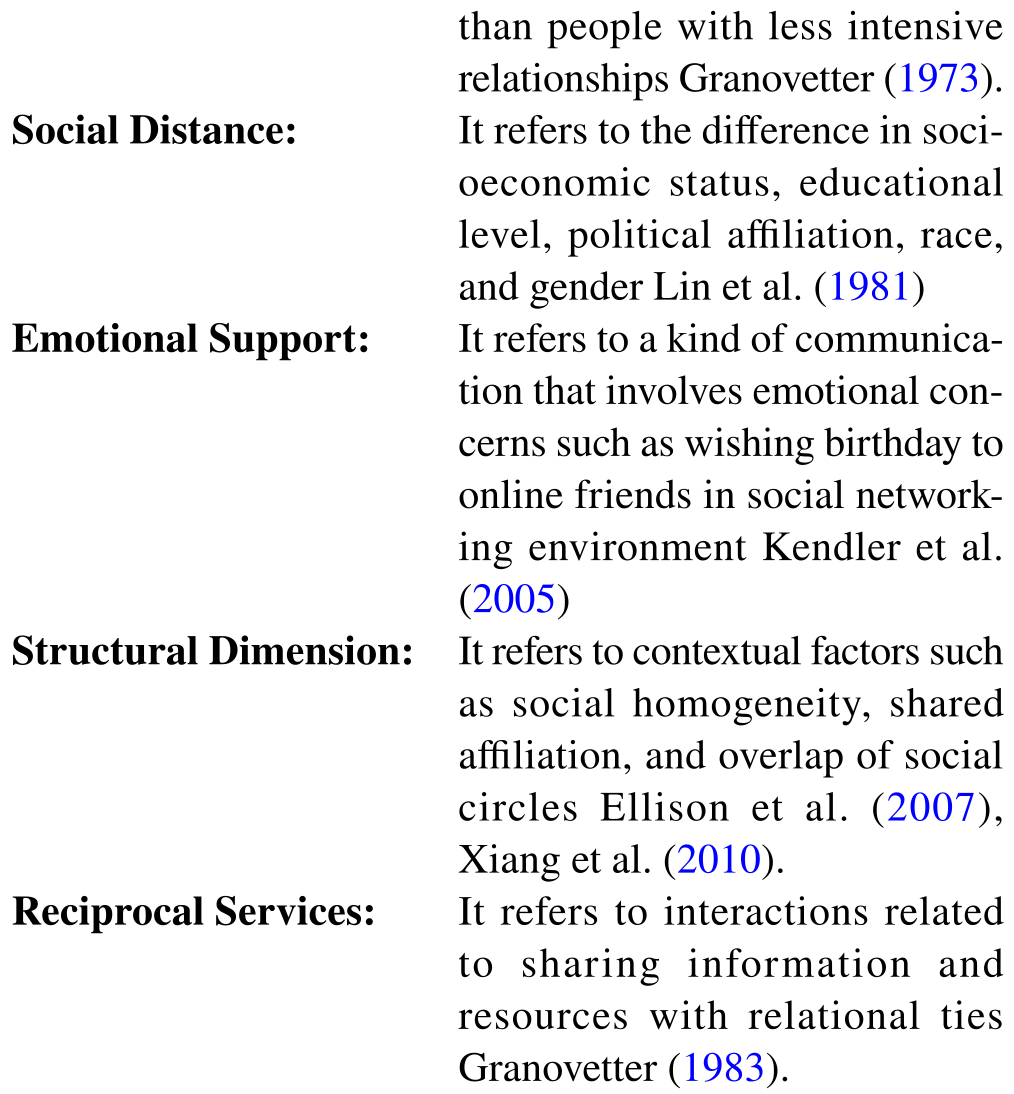 Figure 1: Dimensions of tie strength used to evaluate online relationships.
Key Findings: The Data Doesn't Lie
The study of 323 active participants confirmed three critical hypotheses:
- H1: Users want to share more with strong ties (82% with family) than weak ties (12% with acquaintances).
- H2: Interaction frequency is a direct proxy for tie strength.
- H3: The type of interaction matters. Private messaging is reserved for the inner circle, while "liking" defines the outer circle.
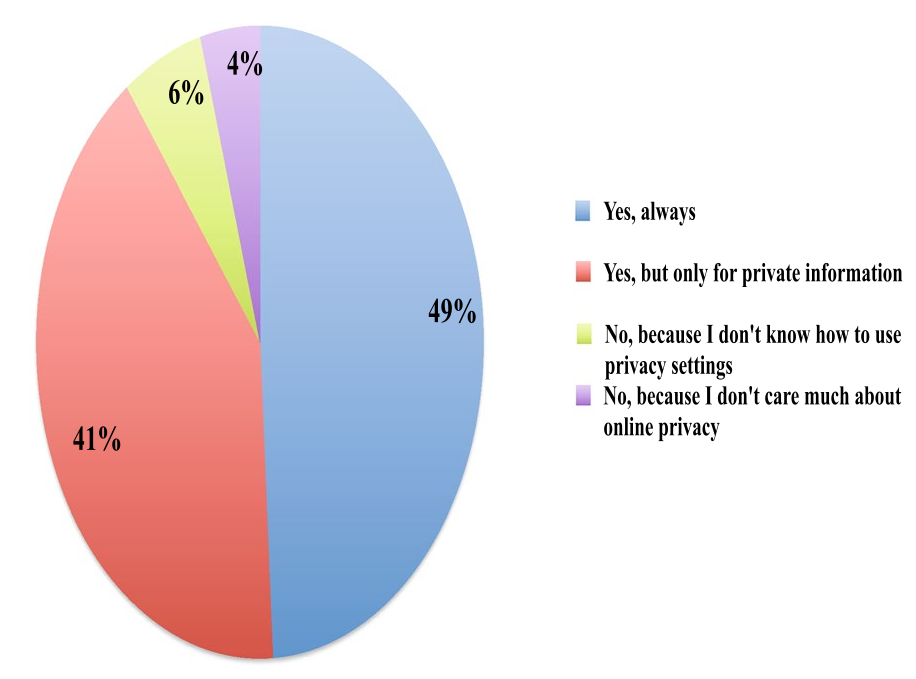 Figure 2: Despite concerns, many users struggle with the complexity of existing privacy settings.
The Ranking of Sensitivity
The researchers categorized what users consider "Sensitive" vs "Public":
- Highly Sensitive: Phone numbers, Emails, Home locations (GPS), and Photos.
- Low Sensitivity: Political/Religious views and Entertainment preferences (Movies/TV).
Critical Insight: Automating the "Content Manager"
The paper’s most significant contribution is the realization that interaction graphs are much smaller than social graphs. While a user might have 500 "friends," they likely only interact with 20.
The authors suggest that OSNs should use this Interaction Graph to automate audience segregation. If you haven't messaged someone in six months, the system should automatically move them to a "Weak Tie" list, restricting their access to your private phone number or home address.
Conclusion and Future Outlook
This work highlights that privacy isn't just about "settings"; it's about social context. The future of social media privacy lies in Semantic Models—AI that understands your relationships better than you have time to manage them.
Limitations: The study relies on self-reported data which can be subject to bias, and the sample was primarily from the Indian subcontinent, potentially reflecting specific cultural privacy norms. However, the core logic remains: our digital interactions are the best footprint of our real-world trust.
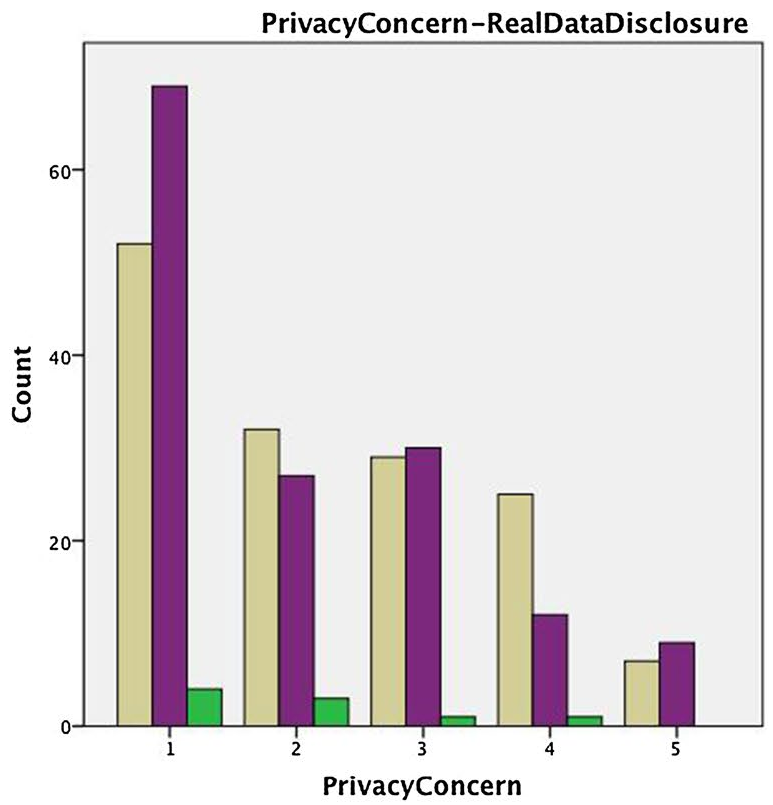 Figure 3: Sensitivity-based ranking of profile information, providing a blueprint for automated segregation.