
YouTubeTracker: Unmasking Information Operations and Bot Networks in Video Content
Understanding Information Operations using YouTubeTracker
This paper introduces YouTubeTracker, a comprehensive analytical tool designed to monitor and analyze information operations on YouTube. By aggregating massive datasets, it identifies influential actors, network dynamics, and suspicious inorganic behaviors such as bot-driven algorithmic manipulation, as demonstrated through a case study on NATO's 2018 Trident Juncture exercise.
TL;DR
YouTubeTracker is a specialized analytical platform designed to dive deep into the ecosystem of YouTube's information operations. Unlike standard marketing tools, it focuses on identifying inorganic behaviors, such as botting and "commenter flash mobs," that manipulate YouTube's recommendation algorithms. In its debut case study on NATO’s 2018 Trident Juncture exercise, the tool successfully differentiated between organic support and coordinated hostile campaigns driven by robotic activity.
Point of Pain: The "Video Blind Spot" in Discontent Analysis
While researchers have spent years dissecting disinformation on Twitter and Facebook, YouTube has remained a "black box" for social scientists. The challenge is twofold:
- Data Volume: Over 300 hours of video are uploaded every minute, making manual monitoring impossible.
- Analytical Gap: Most existing tools (e.g., Socialbakers, Quintly) are optimized for brand managers, not for detecting state-sponsored information operations or subtle algorithmic manipulations.
The authors hypothesized that by analyzing the metadata—posting frequencies, commenter networks, and longitudinal engagement patterns—they could reveal hidden agendas without needing to "watch" every video.
Methodology: Tracking the Pulse of a Topic
The core of the system is the Tracker Feature, which shifts the focus from individual videos to "thematic ensembles."
The Technical Stack
The system follows a robust data pipeline:
- Backend: Django-based queries to the YouTube API.
- Database: MySQL for structured storage of views, likes, and comment histories.
- Visualization: D3.js powered dashboards to visualize social media footprints and "Flash Mob" spikes.
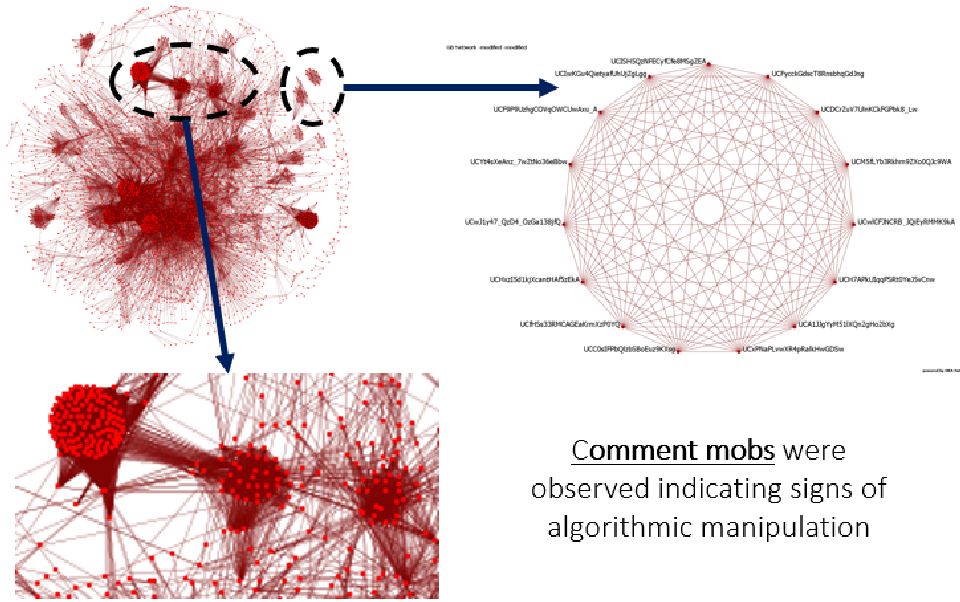 Figure 1: The Technical Infrastructure allowing for systematic data extraction and storage.
Case Study: NATO 2018 Trident Juncture
The utility of YouTubeTracker was tested against a real-world geopolitical event: NATO's Trident Juncture exercise. The analysis compared three types of content: NATO-owned, Earned (friendly), and Hostile.
Key Insights from the Field:
- Engagement Disparity: Hostile videos received significantly higher engagement than official NATO videos.
- Algorithmic Manipulation: The researchers discovered "Commenter Flash Mobs"—sudden bursts of dense activity designed to trick YouTube's algorithm into promoting the video to a wider, organic audience.
- The "Robot" Signature: By analyzing comments in Russian, French, and German, the team found "robotic" and unusually worded sentences (likely poorly managed machine translations), a hallmark of automated disinformation.
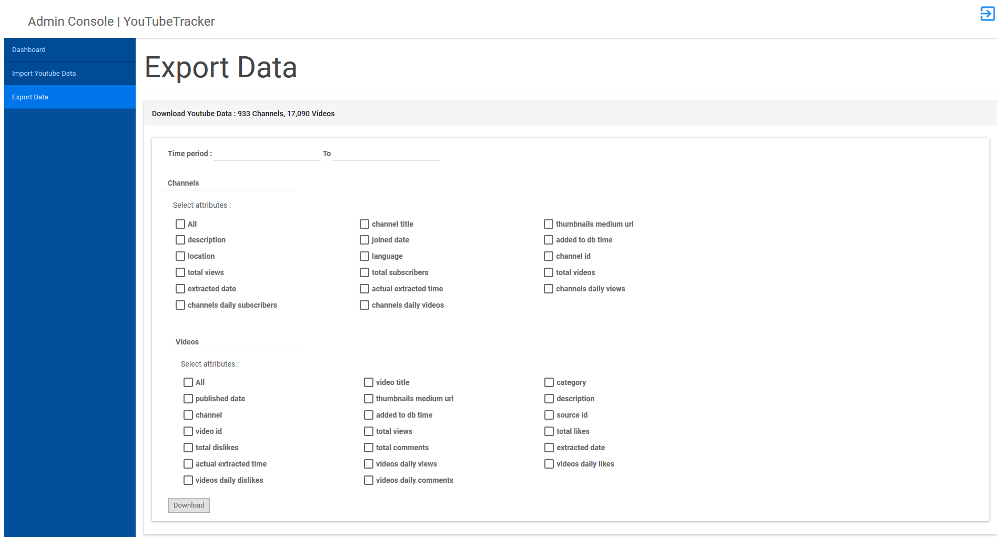 Figure 2: Visualization of a Commenter Flash Mob, showing unnatural spikes in user interaction.
Narrative Mapping
Through topic modeling, YouTubeTracker revealed a clear divergence in discourse:
- Pro-NATO Topics: Focused on concepts like "Alliance," "United," and "Freedom."
- Anti-NATO Topics: Focused on "Russia," "Fake News," and "Attack."
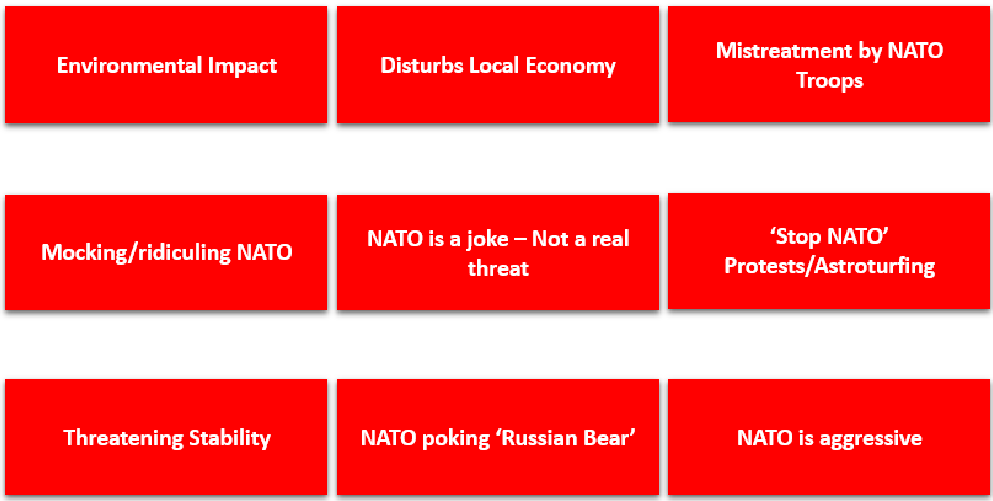 Figure 3: Semantic analysis of leading narratives used to counter the NATO exercise.
Critical Analysis & Future Outlook
The work presented in the paper is a vital step toward securing the video-based information environment. However, it also highlights significant challenges:
- Privacy and Deletion: YouTube’s privacy policy requires researchers to delete data if a video is removed by the user within 30 days. This makes longitudinal "forensic" studies difficult if the bad actors delete their tracks.
- The Evolution of Bots: As LLMs (Large Language Models) become more sophisticated, the "robotic translation" signatures identified in 2018 will become harder to detect.
Conclusion: YouTubeTracker demonstrates that the key to understanding modern information warfare is not just the content of the video itself, but the networked behavior surrounding it. By monitoring the "metabolic rate" of channel engagement, we can identify and mitigate inorganic influence operations in real-time.