
Mapping the Interdisciplinary Void: Visualization of IV, HCI, and Cognitive Psychology
Information Visualization, Human-Computer Interaction, and Cognitive Psychology: Domain Visualizations
This paper presents a comprehensive domain visualization of four converging fields: Information Visualization (IV), Human-Computer Interaction (HCI), Cognitive Psychology (CP), and Digital Libraries (DL). Using the VxInsight tool, the authors map over 4,000 articles to analyze the structural evolution and interdisciplinary overlap of these domains between 1991 and 2001.
Executive Summary
TL;DR: This seminal work by Boyack et al. utilizes the VxInsight tool to spatially map the relationships between Information Visualization (IV), Human-Computer Interaction (HCI), Cognitive Psychology (CP), and Digital Libraries (DL). By analyzing a decade of bibliographic data, the authors reveal that while these fields are conceptually linked, their actual academic overlap is surprisingly thin, save for a few emerging "hotspots" like Information Retrieval.
Positioning: This paper is a classic in the field of Scientometrics and Domain Visualization, providing a methodological framework for using "landscape metaphors" to understand the structure of science.
Problem & Motivation
As digital information began to grow exponentially in the late 90s, the dream of "smart" digital libraries relied on three pillars:
- IV: Helping users see patterns.
- HCI: Optimizing the interface.
- CP: Understanding how the human mind models information.
Despite the intuitive synergy, the authors noticed a lack of empirical evidence regarding how much these fields actually talked to each other. Are they a unified front, or are they islands of research occasionally trading small goods?
Methodology: The "Terrain" of Knowledge
The authors utilize VxInsight, which transforms high-dimensional bibliographic similarities into a 3D landscape.
1. The Similarity Metric
Similarity between articles was calculated using a Cosine Similarity based on shared keywords: Where is the number of keywords in common.
2. The Clustering Engine (VxOrd)
To place these articles on a 2D plane, the authors used VxOrd, a force-directed placement algorithm. It minimizes the energy of the system—effectively pulling similar articles together and pushing dissimilar ones apart—using a density field to keep the process computationally efficient ().
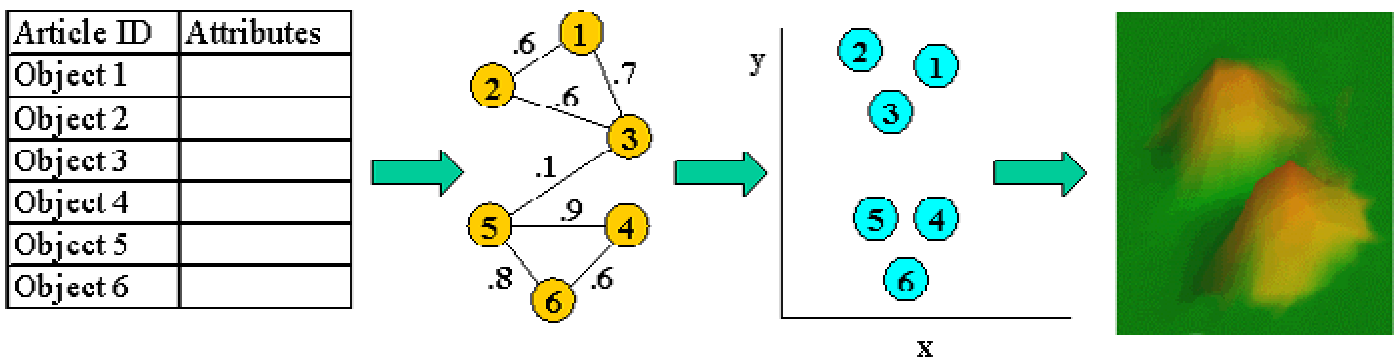 Figure 1: The data pipeline from raw SCI/SSCI records to the visualized mountain terrain.
Experiments & Results: Identifying the Silos
The "Article Map" revealed a striking visual truth: the disciplines are largely isolated.
- The HCI/CP Ridge: HCI (blue) and CP (magenta) show some proximity, specifically where interface design meets cognitive systems.
- The DL/IV Convergence: In the 1999-2000 period, a new peak emerged where Digital Libraries (white) and Information Visualization (green) converged around the topic of Information Retrieval.
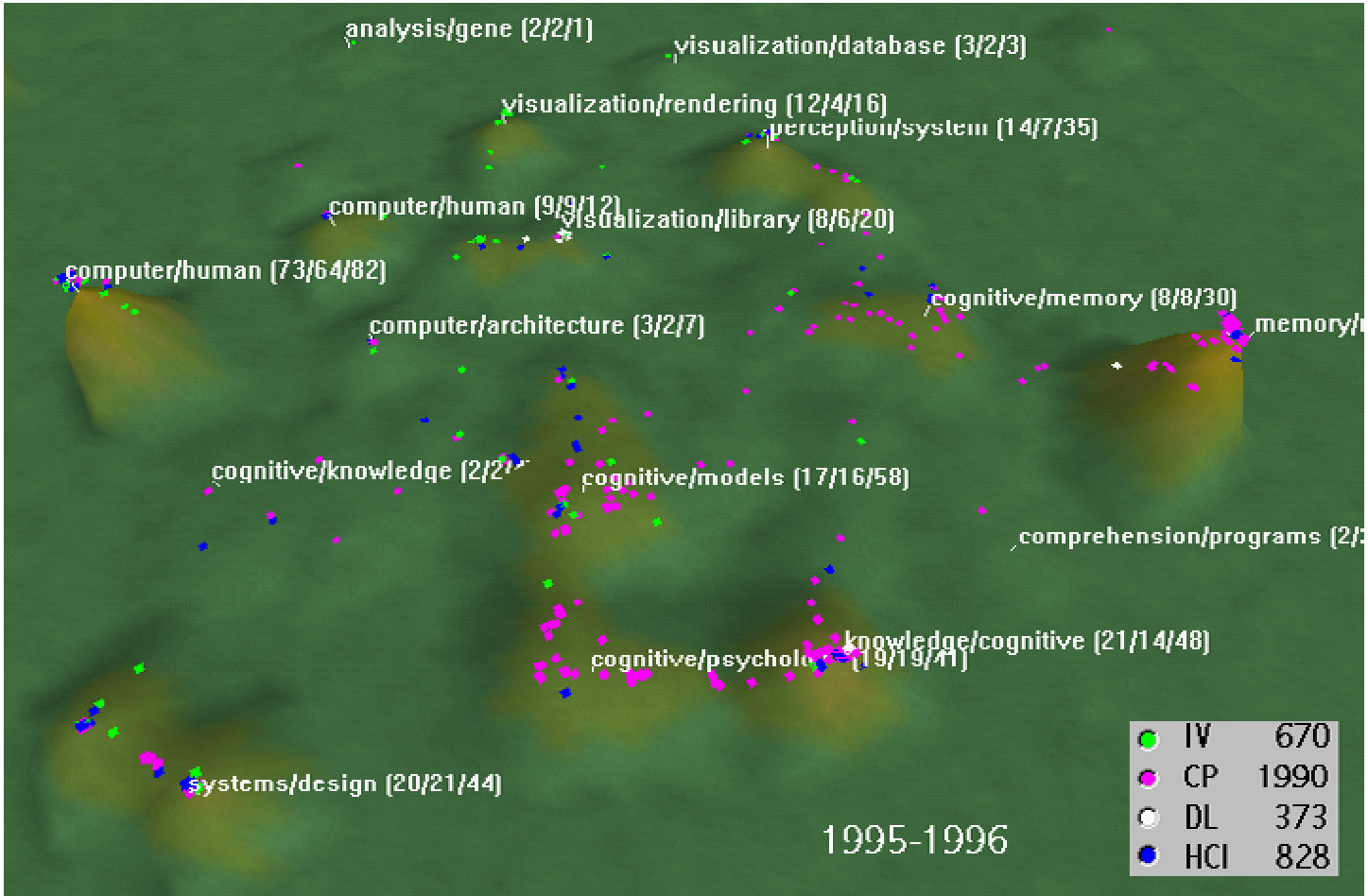 Figure 2: The domain in 1995-1996. Notice the distinct separation between the clusters.
The Semantic Gap
The authors also generated a Semantic Map of keywords. They found a significant "gap" between computer-related terms (graph algorithms, database) and cognitive processes (mental models, memory). This suggests that while we use cognitive psychology to justify designs, we aren't yet building tools that mathematically incorporate cognitive models.
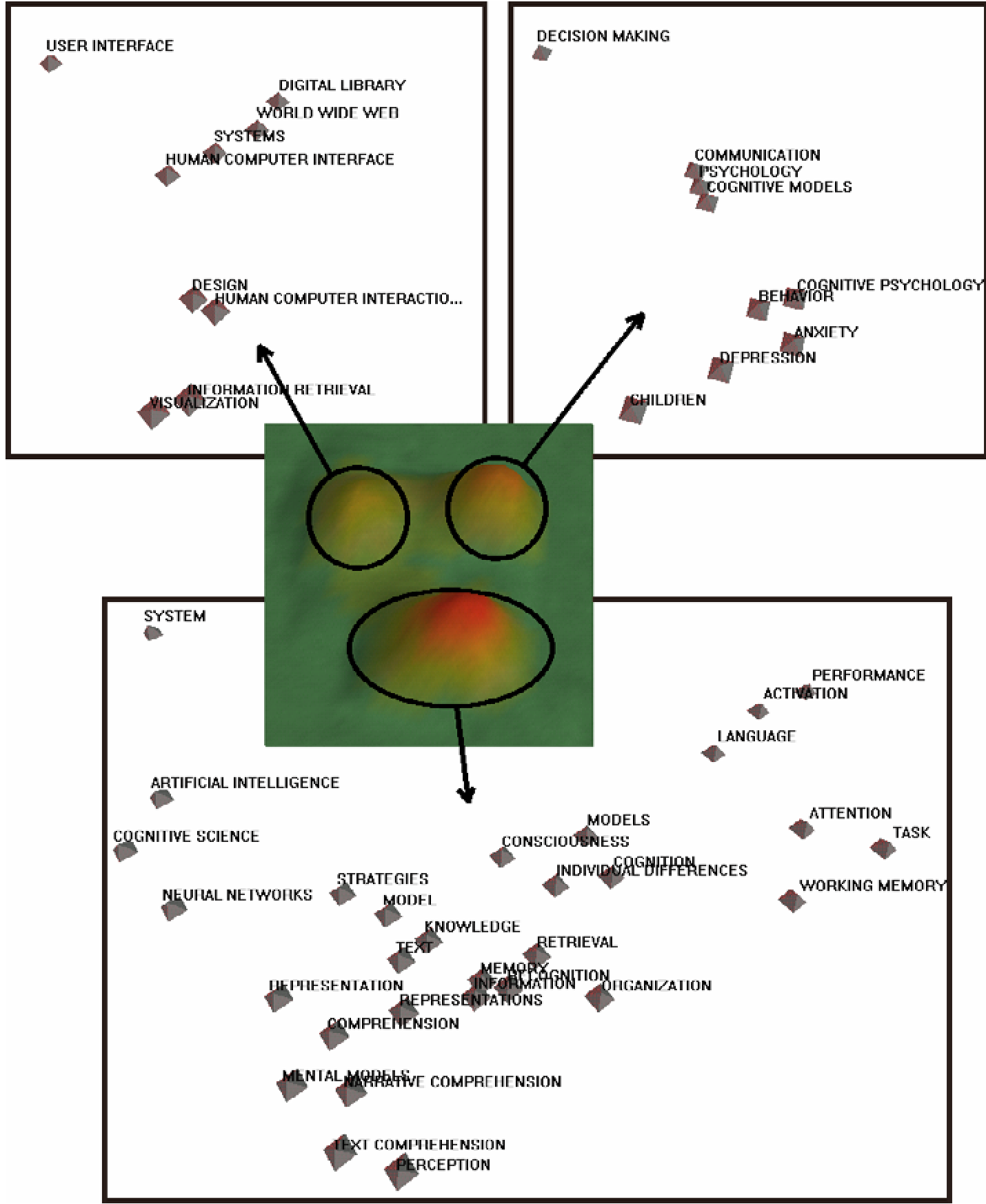 Figure 3: Semantic cluster gaps indicating a lack of linguistic/conceptual integration between computational tools and cognitive science.
Critical Analysis & Conclusion
Takeaway
The study concludes that Information Retrieval is the primary bridge connecting these four disparate worlds. To advance digital libraries, the industry shouldn't just look for "better UI," but for "automated analysis" and "graph algorithms" that mirror cognitive structures.
Limitations
- Keyword Reliability: 60% of Digital Library articles had no keywords in common with the rest of the set, highlighting the limitations of keyword-based clustering.
- Stale Collaboration: The co-author network was almost entirely fragmented, showing that interdisciplinary citation happens, but interdisciplinary co-authorship is rare.
Future Outlook
The authors suggest that Latent Semantic Analysis (LSA)—a precursor to today's embedding-based LLMs—is necessary to uncover deeper hidden relationships that keywords miss. In today's context, this work highlights the early roots of why "Agent-based AI" and "Retrieval Augmented Generation (RAG)" are the modern iterations of this exact interdisciplinary struggle.