
Elevating Cultural Heritage: AI-Assisted Tweet Composition for Museums
An Intelligent Dashboard for Assisted Tweet Composition in the Cultural Heritage Area (Work-in-progress)
This paper introduces an intelligent dashboard for Cultural Heritage (CH) institutions to optimize social media engagement. It utilizes a K-Nearest Neighbors (KNN) classification approach to predict tweet success and provide real-time composition suggestions.
TL;DR
Social media managers in the Cultural Heritage (CH) sector face the daunting task of standing out in a crowded feed. This paper presents a work-in-progress Intelligent Dashboard that uses Machine Learning to predict the impact of a tweet before it is posted, offering actionable suggestions (e.g., adding hashtags or removing images) to transform a "BAD" draft into a "GOOD" one.
The Motivation: From Passive Analytics to Proactive Guidance
Most current social media tools are "retrospective"—they tell you how a post performed after the fact. For museums, where resources for social media management are often limited, there is a dire need for proactive tools. The authors argue that by analyzing the "DNA" of successful tweets from 26 world-renowned museums (like the MoMA, the Louvre, and the Uffizi), they can provide a roadmap for others to achieve similar visibility.
Methodology: The KNN-Based Suggestion Engine
The core of the system is built on a simple yet effective physical intuition: Similarity breeds Success. If your tweet draft is mathematically similar to successful tweets from your peer group, it is likely to perform well.
1. Feature Engineering
The system reduces a tweet to a set of numerical features:
- NHASH: Number of hashtags.
- NMENTION: Number of mentions.
- NIMG: Number of images.
- LENGTH: Character count.
- SENT: Sentiment (Positive/Negative).
2. The Suggestion Loop
The most innovative part of the methodology is the Suggestion Generation process. When a tweet is classified as "BAD," the system doesn't just give a thumbs down. It performs a KNN search to find "Positive Neighbors"—successful tweets that are close in feature space to the user's draft.
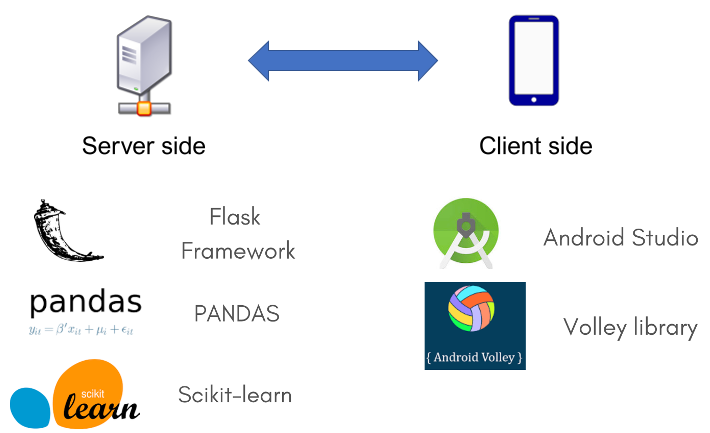
Figure 1: The flow from draft entry to suggestion feedback and final posting.
Critical Findings: High Accuracy with Minimal Features
The researchers discovered that they didn't need complex semantic analysis to achieve high accuracy. By focusing on just three key features—Images, Hashtags, and Mentions—the model maintained an accuracy rate of 77% to 80%.
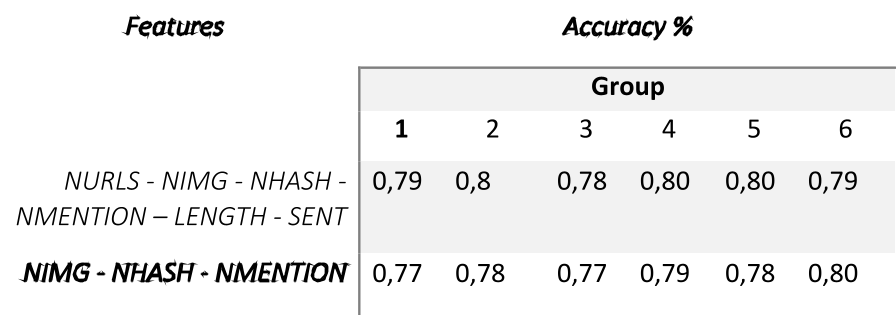
Table 1: Performance comparison across different museum museum groups. Group-specific tuning ensures that a small local museum isn't unfairly compared to a global giant like the Met.
Interestingly, the study found that K=5 was the optimal balance for the KNN algorithm. Lower values were too sensitive to noise, while higher values smoothed out the specific "style" nuances of the museum groups.
The User Experience (UX)
The dashboard, designed for Android, provides a clear interface where the user receives direct instructions like "You should add a hashtag" or "You should drop an image." This lowers the cognitive load for social media managers, allowing them to focus on the storytelling while the AI handles the structural optimization.
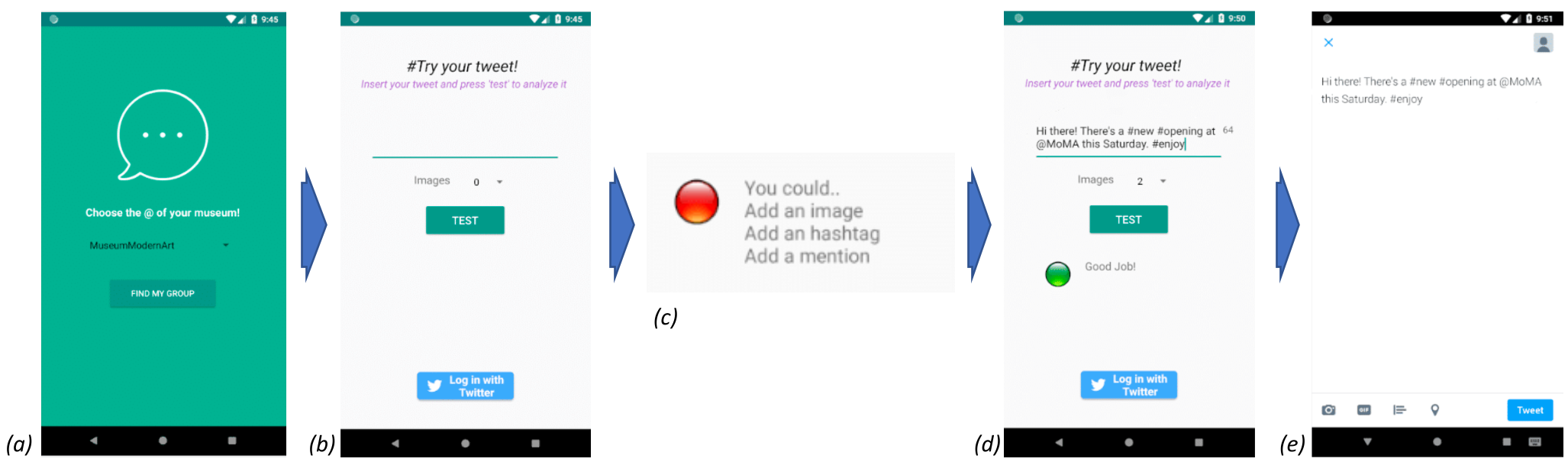
Figure 2: The mobile interface displaying the classification outcome and the generated suggestions.
Critical Analysis & Conclusion
While this work-in-progress demonstrates a robust framework for structural optimization, it has limitations:
- Content vs. Context: The current model prioritizes "structural" features (counts) over "semantic" content (the actual meaning of the text).
- The "Like" Metric: The authors acknowledge that while "Likes" represent intentional engagement, they are only one facet of impact.
Takeaway: This research marks a significant step toward Prescriptive Social Media Analytics. For the Cultural Heritage sector, it proves that even simple ML models can provide a high-value "second pair of eyes" to ensure that the beauty of art and history isn't lost in the noise of the Twitter feed.