
Beyond Efficiency: Why Affective Feedback is the Secret Sauce of Motivational Design
International Journal of Information Management
This study investigates how three motivational design classes—gamification, quantified-self (QS), and social networking—influence user engagement through affective, informational, and social feedback. Using survey data (N=167) from the exercise system HeiaHeia, the research demonstrates that affective feedback is the primary driver of perceived benefits and continued use intentions.
TL;DR
In the world of "Motivational Information Systems" (e.g., fitness apps like Strava or Duolingo), we often assume that social pressure or data-heavy charts keep users coming back. However, new research by Hassan et al. reveals a different reality: Affective feedback (how the app makes you feel) is the only factor directly linked to a user’s sense of "receiving benefit." While Quantified-Self (QS) data creates a sense of utility, it is the emotional "hit" from gamification and data visualization that secures long-term loyalty.
The Problem: The "Efficient" App Trap
For decades, software design followed the Technology Acceptance Model (TAM), which argued that if a tool is useful and easy to use, people will use it. But wellness and education apps aren't just tools—they are behavioral interventions. Many apps fail because they overwhelm users with social notifications or raw data (informational overload) without touching the user's emotional state. The authors sought to find which design "class" actually moves the needle on user benefits.
Methodology: Mapping Design to Emotion
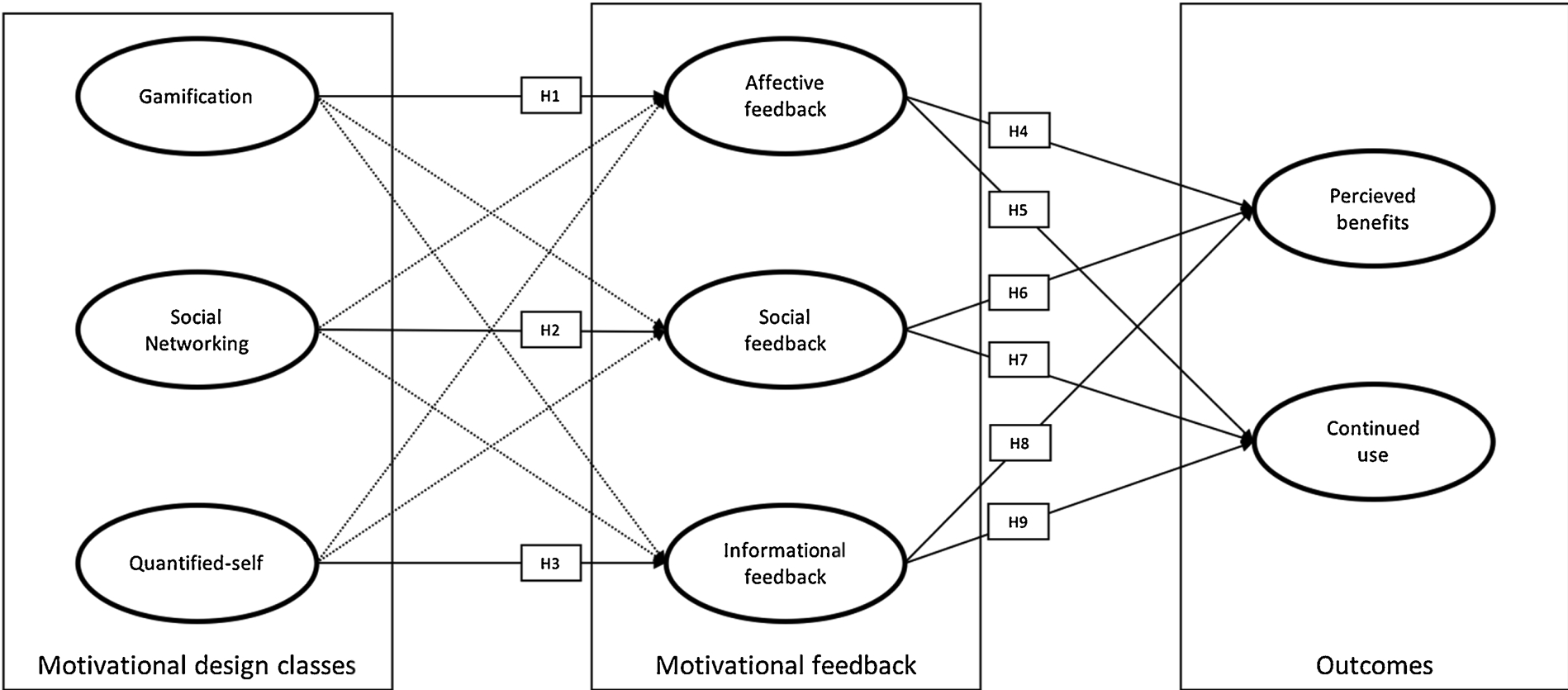
The researchers analyzed HeiaHeia, a platform that blends:
- Gamification: Medals, levels, and leaderboards.
- Quantified-Self (QS): Heart rate logs, calorie tracking, and sick days.
- Social Networking: Cheering, comments, and "top friends."
Through a survey of 167 active users, they mapped how these features lead to Affective (feeling good), Informational (learning facts), and Social (feeling connected) feedback.
Key Insights: The Quantified-Self Paradox
One of the most striking findings was the role of Quantified-Self design. While we think of calorie counting as a purely informational task, the study found that QS features are a massive source of affective feedback.
Specifically:
- QS > Information: Seeing your workout stats helps you understand your goals.
- QS > Affect: Seeing your progress logs actually provides an emotional reward similar to winning a game.
- The Gamification Twist: Gamification was negatively associated with social feedback. The authors suggest that competitive leaderboards might actually create "envy" or "bullying" rather than positive social connection.

Why It Works: The Dominance of Affect
The study’s ultimate conclusion is a wake-up call for UX designers: Experiences of affective feedback were solely associated with perceived benefits.
If a user doesn't find the app "fun" or "satisfying" to browse, they won't feel they are getting healthier—even if the data shows they are. Social feedback (likes/comments) had a negligible impact on continued use intentions, suggesting that while we are social creatures, our fitness journeys are deeply personal and internal.
Critical Analysis & Conclusion
Takeaway
To build a successful motivational IS, prioritize Affective Design. Don't just show a user they ran 5km; make them feel the achievement of those 5km through aesthetic rewards and meaningful progression.
Limitations
The study relies on self-reported data from active users (tenured users). It doesn't tell us why users quit the app early on—the "churn" group might have a very different reaction to gamification or social pressure.
Future Outlook
As AI becomes more integrated into these systems, the next frontier is Dynamic Feedback: systems that switch from informational feedback (for pros) to affective feedback (for beginners) to prevent habituation and burnout.