
When Social Media Backfires: The Stress-Loop of Audience Management and Lurking
International Journal of Information Management
This study investigates the dynamics of online turbulence, audience concern, and lurking behavior in Social Networking Services (SNSs). Using the Transactional Model of Stress (TMS) and data from 301 users, it identifies how different audience management strategies impact stress-induced behavioral changes, specifically highlighting the role of "neglected unintended audience concern" in driving users toward lurking.
TL;DR
Ever posted something on WeChat or Facebook and instantly regretted it because you forgot your boss (or your parents) might see it? This "online turbulence" is more than just an awkward moment—it's a psychological stressor that fundamentally changes how we use social media. New research reveals that our attempts to manage our audience often fail, leading to a state of "lurking" where we watch everyone else but stop sharing ourselves.
Background: The Invisible Crowd
In the physical world, we know exactly who we are talking to. In Social Networking Services (SNSs), our audience is "collapsed." We have an imagined audience, but there is always a neglected unintended audience—those "silent" followers we forget exist until a post creates a conflict. This study uses the Transactional Model of Stress (TMS) to map out how we respond to these digital mishaps.
The Problem: The Control Paradox
The core irony of modern social media is that the more tools we use to stay "safe," the more likely we are to experience turbulence. The authors categorize strategies into four types:
- Network-based: (Safe) Refusing friend requests.
- Content-based: (Safe) Self-censoring and keeping things general.
- Platform-based: (Risky) Using complex custom privacy lists.
- Multiple-profile: (Risky) Managing separate accounts.
The study finds a "Control Paradox": Users who rely on platform settings and multiple accounts often feel a false sense of security, leading them to share intimate details that eventually leak to the wrong people, causing more stress.
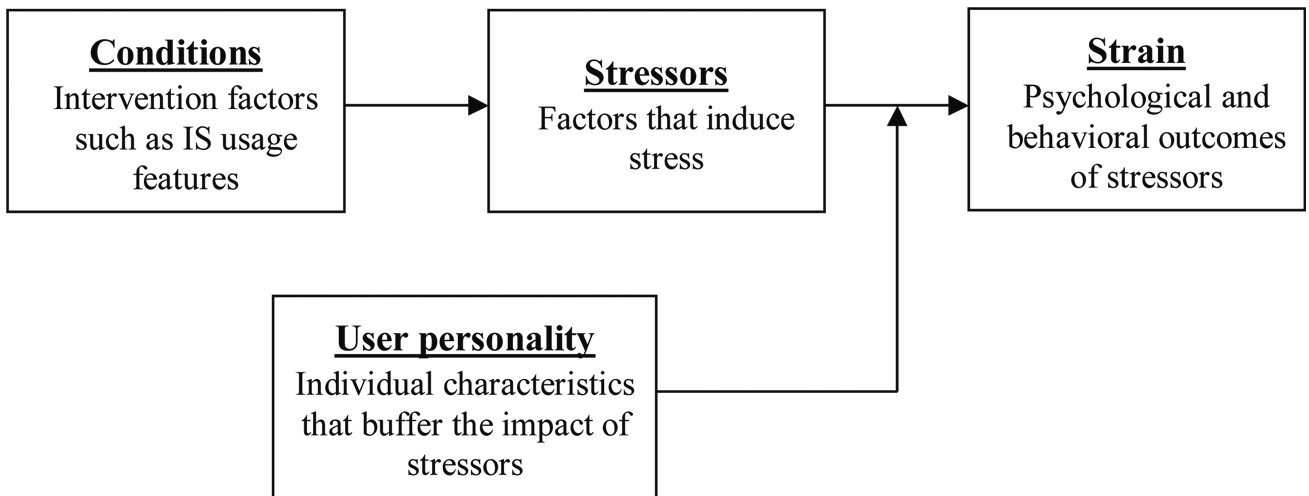
Methodology: Mapping the Stress Response
The researchers surveyed 301 users on WeChat, focusing on its "Moments" feature. They looked at:
- The Stressor: Online turbulence (embarrassment, conflicts).
- Psychological Strain: Neglected unintended audience concern.
- Behavioral Strain: Lurking (reading but not posting).
- The Inhibitor: Self-monitoring (how much you care about your image).
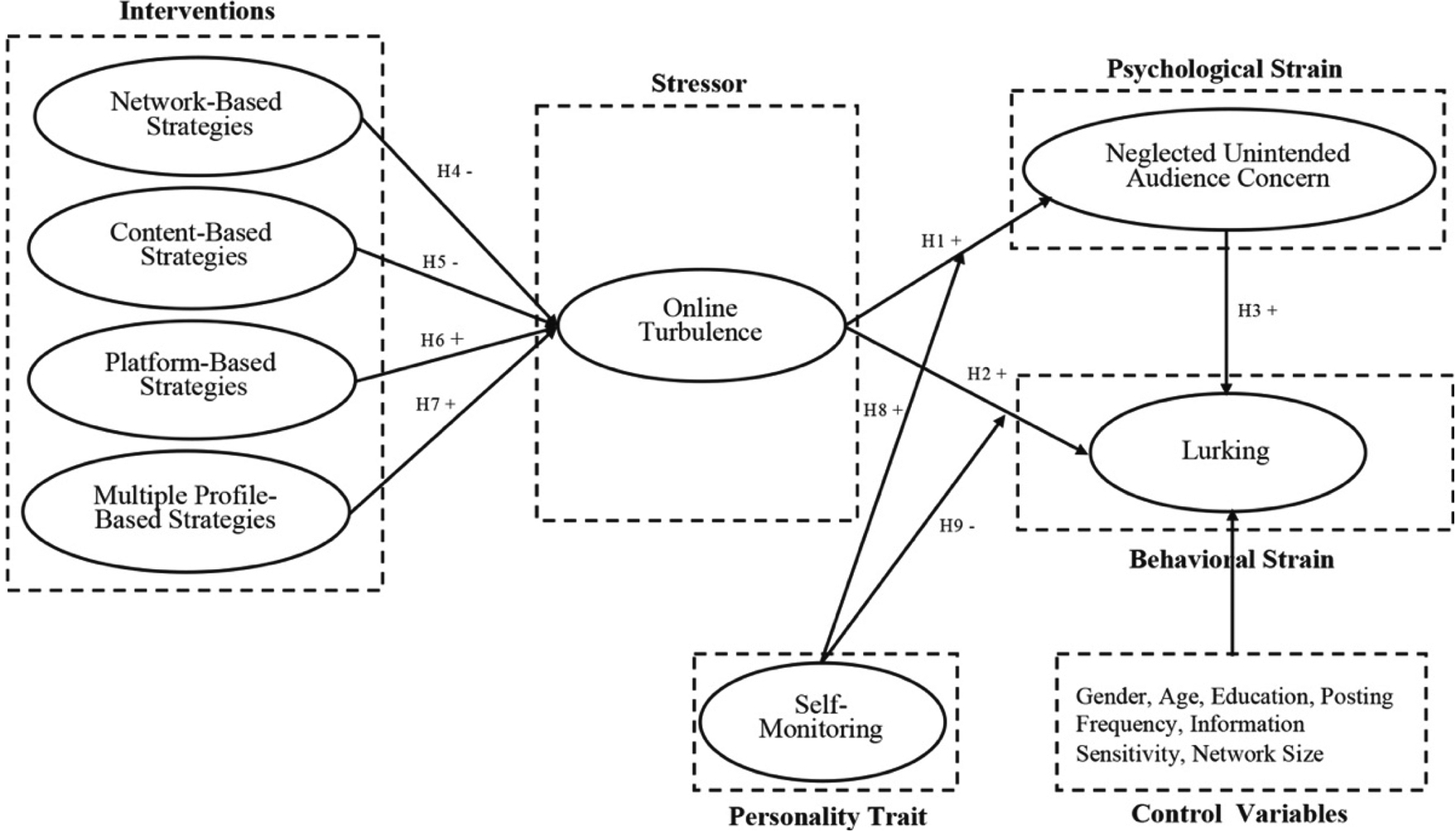
Core Insights & Results
The findings challenge some common assumptions about digital behavior:
- Turbulence doesn't cause immediate quitting: Paradoxically, experiencing a "turbulent moment" doesn't directly make people lurk. Instead, it creates a lingering psychological concern about the "neglected" audience. That concern is what eventually kills the desire to post.
- High Self-Monitors suffer more: If you are someone who is naturally good at reading the room (high self-monitoring), online turbulence hits you harder. You become significantly more worried about your invisible audience than a low self-monitor would.
- Complex tools are failing: Managing friend lists and multiple accounts is cognitively taxing. When these complex systems fail, the resulting turbulence is much more severe.
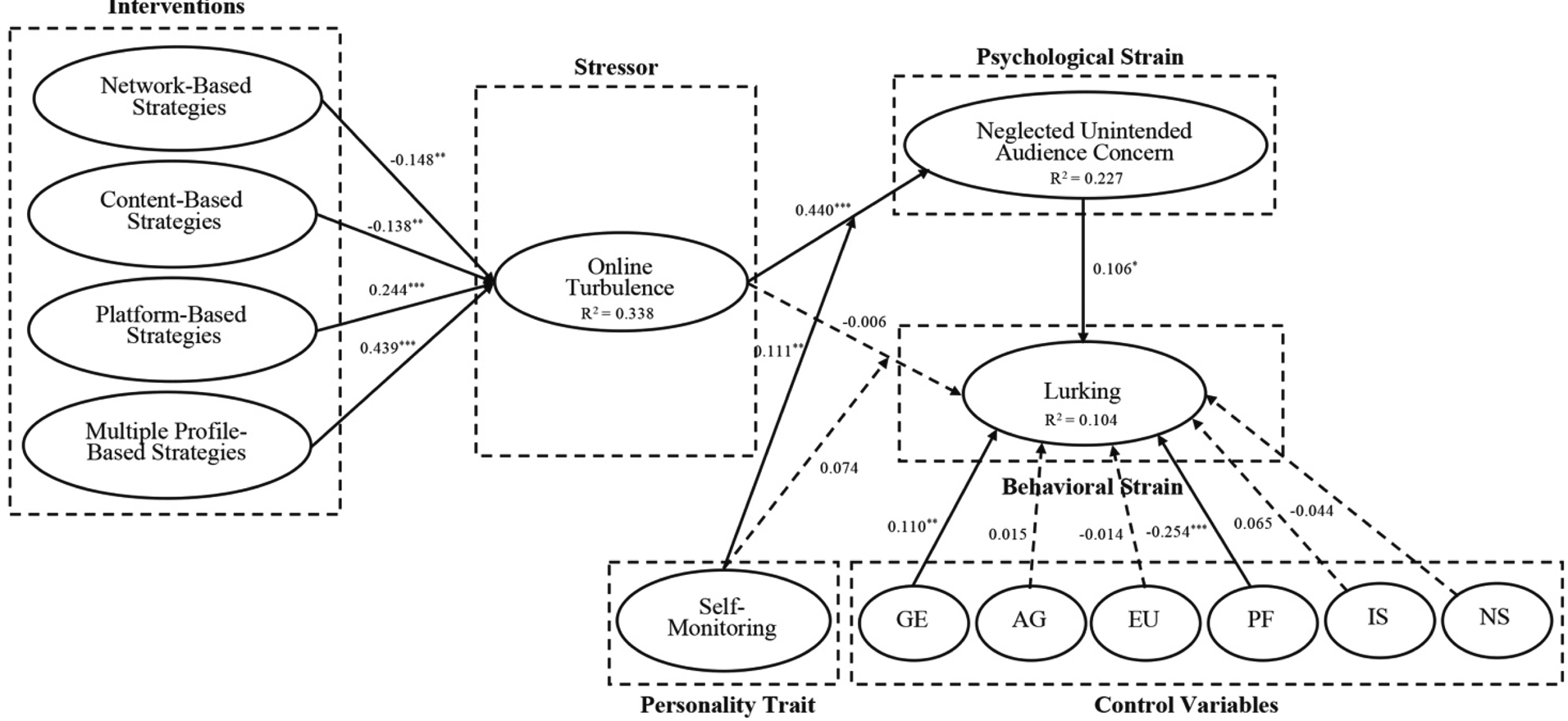
Critical Analysis & Future Outlook
The study highlights a major design flaw in current SNS platforms: Privacy settings are too granular and non-intuitive.
For Platform Designers:
To stop users from becoming "lurkers," platforms need to:
- Visualize the Audience: Instead of hidden lists, show users a "privacy health" check or a visualization of who can see a post before they click share.
- Allow Modification: Features like "edit post" or "retroactive privacy changes" are essential to mitigate the stress of turbulence.
Limitations:
The study focused on WeChat in China. Since cultural norms regarding privacy and social "face" vary, the intensity of these stress responses might differ on platforms like Twitter or TikTok, where "public by default" is the standard.
Conclusion
Lurking is the "silent killer" of social platforms. This research proves that lurking isn't just laziness; it's a defensive stress response to a world where we can't see who is watching us. Until platforms make the "invisible audience" visible, the trend toward silence will likely continue.