
Understanding the Senior Traveler: How Flow and Anxiety Shape Mobile Purchase Intentions
International Journal of Information Management
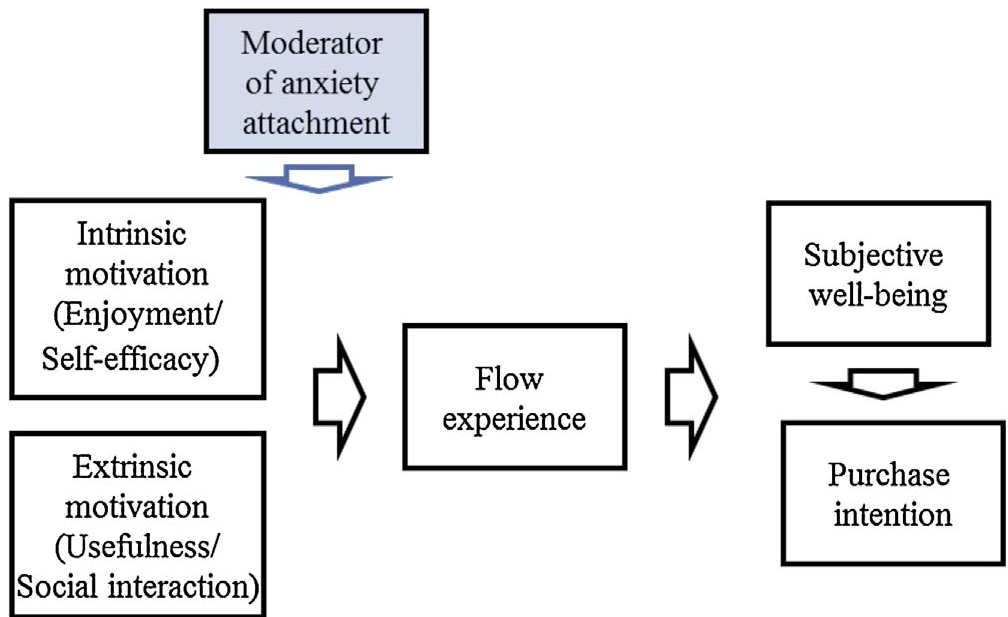
This study investigates the travel-related purchase intentions of senior citizens (aged 50+) on Mobile Social Network Sites (MSNSs). By developing a research model based on Motivation Theory and Flow Theory, the authors identify that intrinsic motivations significantly drive the "flow experience," leading to enhanced subjective well-being and ultimate purchase behavior.
TL;DR
As the global population ages, senior citizens (50+) have become a powerhouse in the travel market. However, their behavior on Mobile Social Network Sites (MSNSs) remains misunderstood. This research reveals that for seniors, the journey to a "purchase" is paved with intrinsic enjoyment and a psychological state known as Flow. Crucially, a senior's anxiety attachment style dictates whether they care more about having fun or feeling competent.
Contextualizing the "Silver" MSNS Market
Seniors are no longer tech-averse outliers; over 60% of senior consumers in markets like South Korea actively use MSNSs. Yet, tourism marketing often remains trapped in a "utilitarian" mindset, treating mobile apps as simple digital brochures. This study shifts the lens toward Motivation Theory, asking not just what they buy, but why they stay engaged long enough to click "reserve."
The Psychological Core: Intrinsic vs. Extrinsic
The research breaks down senior motivations into two categories:
- Intrinsic (Internal): The pure joy of the activity (Enjoyment) and the confidence in one's ability to navigate the app (Self-efficacy).
- Extrinsic (External): How "useful" the app is for relationships and social standing.
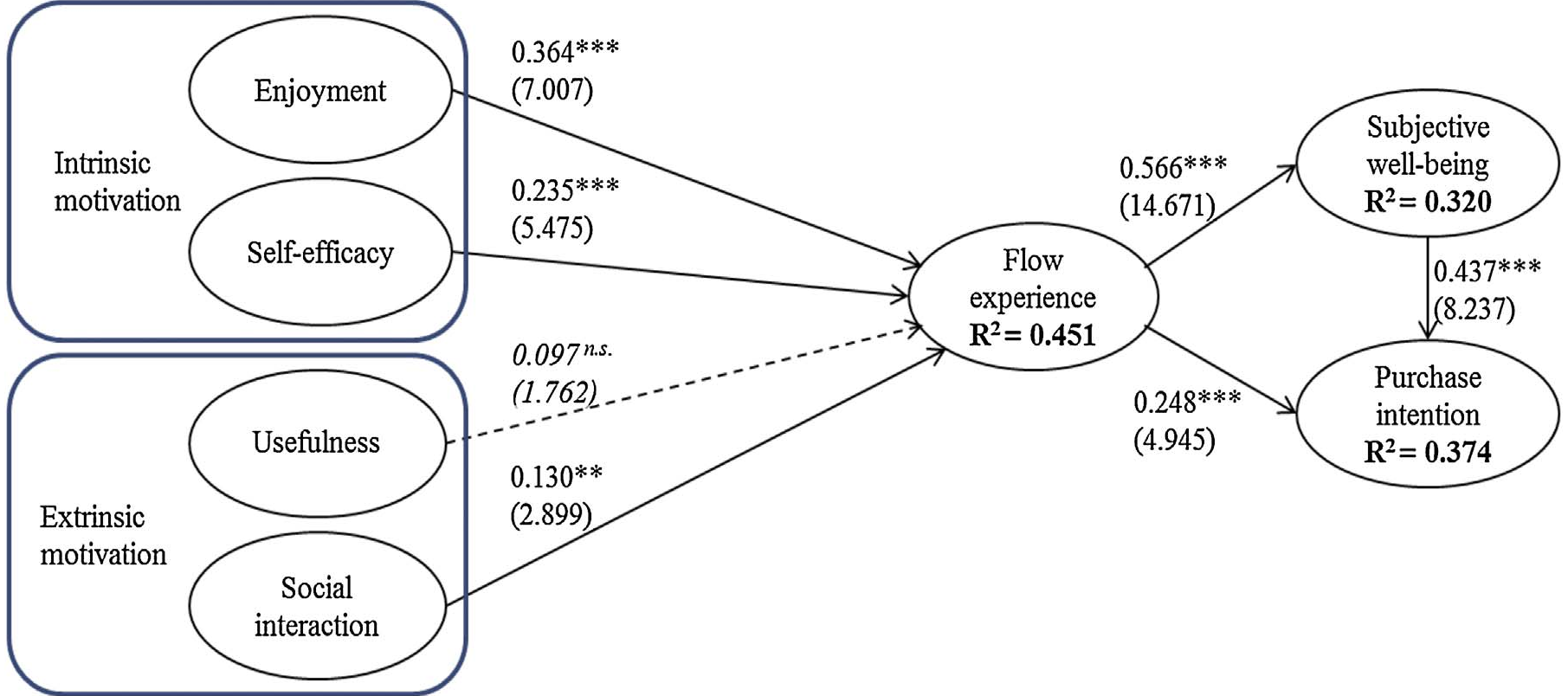
The findings are striking: Intrinsic motivations are the primary engines of the Flow Experience. When a senior feels "captivated" and "loses track of time" (Flow), they report higher subjective well-being, which is the strongest precursor to actual purchase intention.
The "Anxiety" Variable: A Great Divider
One of the paper's most sophisticated insights involves Anxiety Attachment. Not all seniors interact with technology the same way:
- High-Anxiety Seniors: They worry about social standing and abandonment. For this group, Self-efficacy and Usefulness are the keys to Flow. They need to feel that they are "good" at using the app and that it provides concrete value to their relationships.
- Low-Anxiety Seniors: These users are more secure. For them, Enjoyment is the dominant driver. They use MSNSs because it’s fun, not because they feel a need to prove their tech-savviness.
Methodology and Validation
The authors employed PLS-SEM (Partial Least Squares Structural Equation Modeling) to handle the complexity of the 500-sample dataset. Unlike traditional regression, PLS-SEM excels at analyzing the "path" from motivation to behavior. The researchers even controlled for variables like income and education, ensuring that the psychological signals weren't just artifacts of socioeconomic status.
Takeaways for Tech & Tourism
- Gamification vs. Utility: For a secure senior audience, travel apps should focus on "fun" and "discovery" (Hedonic design).
- Empowerment for the Anxious: For seniors with higher tech-anxiety, interfaces should provide "competence cues"—rewards or feedback that confirm they are using the app correctly.
- The Well-being Loop: A purchase is not just a transaction; it's the result of a positive emotional cycle. If the MSNS makes a senior feel "ideally satisfied" with their digital life, the intention to buy follows naturally.
Conclusion
This paper serves as a vital bridge between tourism marketing and social psychology. It argues that to win the senior market, developers must look past the "add to cart" button and focus on the inner state of the user. In the world of MSNSs, the "Flow" is the go.
Limitations: The study was localized to South Korea. Future research should explore if these "Flow" dynamics hold true in Western cultures where social media interaction styles may differ.