
IoT Lab: Orchestrating the "Crowd" and the "Things" through IPv6 Integration
2771_Internet of Things and Crowdsourcing - Towards a Multiple Integrating Model Based on the IoT Lab European Research Project.
This paper introduces IoT Lab, a multi-disciplinary European research platform that integrates heterogeneous Internet of Things (IoT) testbeds with crowdsourcing and crowd-sensing capabilities. It leverages IPv6 as a strategic enabler and uses the Universal Device Gateway (UDG) to achieve interoperability across diverse communication protocols.
TL;DR
The IoT Lab project addresses the massive fragmentation in IoT research by creating a "Testbed as a Service" (TBaaS). It bridges the gap between technical sensor networks and human end-users, using IPv6 and the Universal Device Gateway (UDG) to unify heterogeneous protocols (ZigBee, KNX, etc.) with mobile crowdsourcing, enabling pervasive, real-world experiments.
Background: Beyond the Technical Silo
Most IoT research focuses on "hard" technical metrics: latency, battery life, and throughput. However, the author argues that the "human factor"—user acceptance and societal value—is equally critical. The IoT Lab European research project was born to solve the lack of integrated platforms that can handle both the technical complexity of diverse IoT hardware and the subjective complexity of human behavior.
The Interoperability Barrier
The core challenge is heterogeneity across four distinct layers:
- Intra-testbed: Diverse sensors (Southbound) and gateways (Middleware).
- Inter-testbed: Variations in architecture between universities in different countries.
- Communication Protocols: Non-IP standards like ZigBee, Z-Wave, and EnOcean that cannot natively talk to the Internet.
- IPv4 Limitations: The 4-billion address limit of IPv4 makes unique mapping for the projected 50 billion IoT devices impossible.
Methodology: IPv6 as the Universal Enabler
The breakthrough of IoT Lab lies in its Multiple Integration Model. Instead of forcing every device to run the same protocol, it uses IPv6 as a global addressing and integration layer.
1. The UDG Proxy Mechanism
To handle "Deep Multi-protocol Heterogeneity," the platform uses the Universal Device Gateway (UDG). This acts as a translator: a legacy ZigBee sensor is assigned a unique, scalable IPv6 address via the UDG proxy. This allows researchers to interact with a non-IP light switch exactly as if it were a native web server.
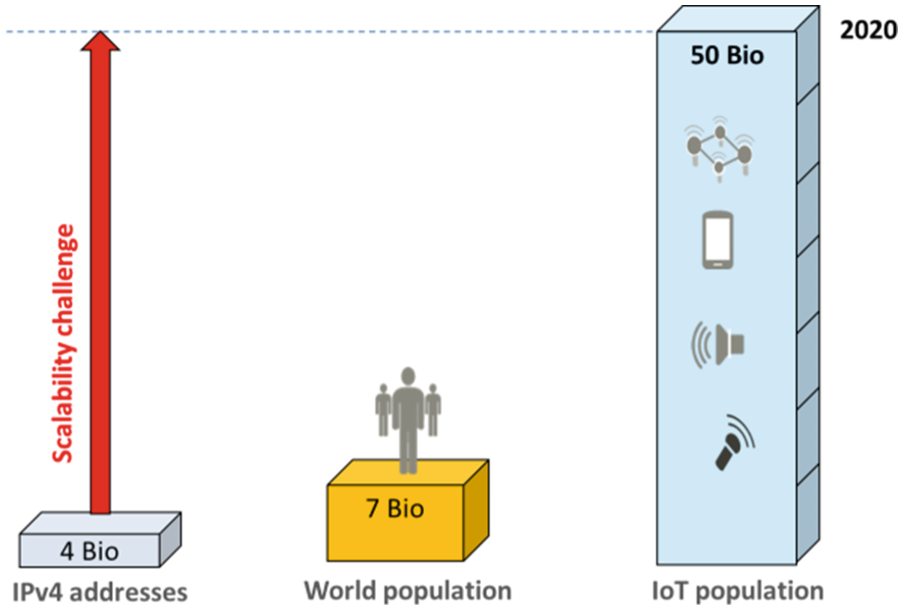 Figure 1: Case-by-case integration strategies ranging from local IPv6 to v6-in-v4 tunneling.
2. Crowdsourcing and Crowd-sensing
By deploying a dedicated Android app, the project turns smartphones into "Mobile Motes."
- Crowd-sensing: Accesses internal GPS, accelerometers, and light sensors.
- Crowdsourcing: Facilitates direct interaction through surveys and feedback loops.
Architecture: Testbed as a Service (TBaaS)
The architecture virtualizes physical resources. A researcher in Switzerland can "reserve" a set of smart city sensors in Spain and a group of human participants in the UK via a centralized cloud interface.
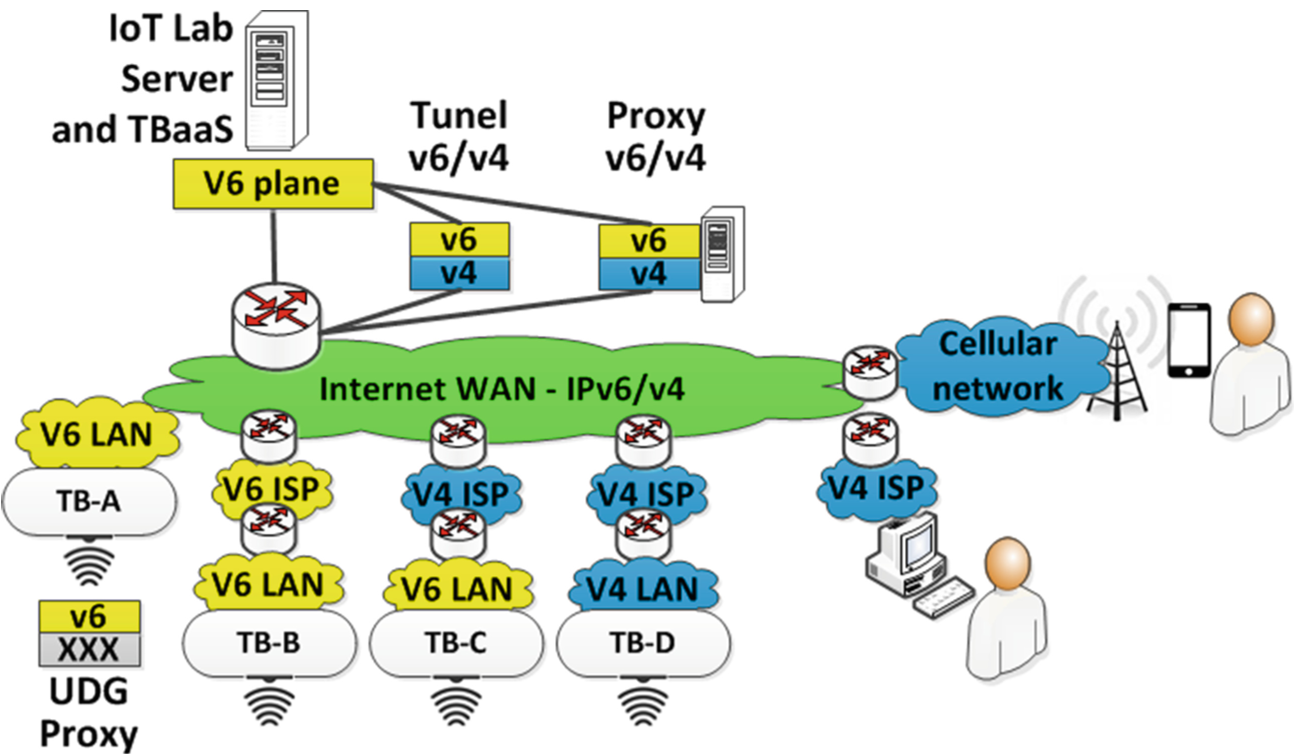 Figure 2: The UDG platform acting as a bridge between heterogeneous local deployments and the cloud-based research interface.
A Triple Paradigm Shift
The paper concludes that this integration results in three fundamental shifts for the research community:
- User-Centric Extensions: Experiments now measure "Value Perception" alongside "Packet Loss."
- Pervasive Experiments: Moving out of the lab and into "Smart Sustainable Cities" using real-time feedback.
- Crowd-Driven Research: A bottom-up model where the crowd suggests research topics, fostering a democratized innovation cycle.
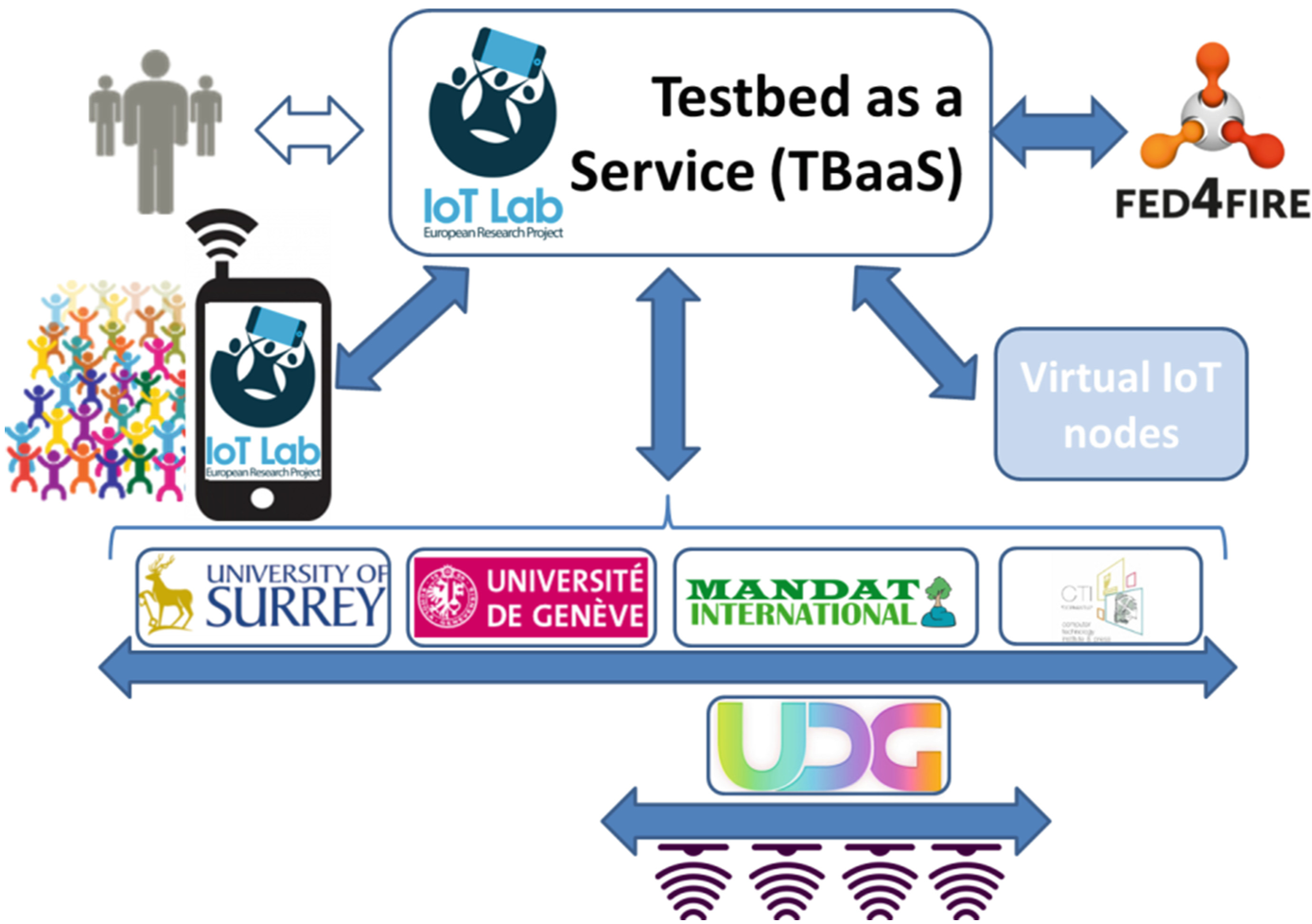 Figure 3: The final six-fold integration model including virtual nodes and testbed federations.
Critical Insight & Conclusion
While many projects attempt "Federation," IoT Lab succeeded by choosing a "de facto" standard (Fed4FIRE) and focusing on IPv6's 128-bit addressing space to solve the identity problem.
Limitations: The paper notes that smartphone portability (iOS support) was still "technically trivial" but pending at the time of writing, and the reliance on mobile app users requires persistent community engagement strategies to avoid "crowd fatigue."
Takeaway: This work proves that the future of IoT isn't just about connecting "Things," but about building an ecosystem where Heterogeneous Devices, Virtual Nodes, and Human Participants coexist within a unified, IP-based addressing fabric.