
Into Scandinavia: When Online Fatherhood Becomes a Political Battleground
Into Scandinavia: When Online Fatherhood Reflects Societal Infrastructures
This paper explores the relationship between online fatherhood and societal infrastructures in Denmark, using a mix of Facebook data, App Store reviews, and interviews. It highlights how Danish fathers utilize digital platforms like the "Foreningen Far" group and the "FAR" app to renegotiate parenting norms and advocate for legal equality.
TL;DR
While American fathers often use social media to document family milestones or seek private advice on Reddit, Danish fathers are using these same tools to dismantle the legal and societal infrastructures that keep them positioned as "secondary" parents. This research reveals that in the generous Danish welfare state, online interaction is less about "showing off" and more about collective political action and contesting outdated gender stereotypes.
Context: The Danish Paradox
Denmark is often hailed as a "father-friendly" nirvana with 52 weeks of paid parental leave. However, the authors of "Into Scandinavia" uncover a striking "normative lag." Despite societal shifts toward "caring masculinity," the legal system and digital tools still frequently treat fathers as bumbling assistants to mothers. This tension transforms social media from a digital scrapbook into a site of resistance.
Why Motivations Differ: US vs. Denmark
Prior research (primarily US-based) suggests fathers are hesitant to share parenting struggles on Facebook due to "context collapse"—the fear of professional colleagues seeing their domestic side.
In Denmark, the motivation shifts:
- Legal Advocacy: Fathers use the "Foreningen Far" Facebook group to navigate the "hell" of the State Administration during custody battles.
- Contesting Tropes: Fathers actively revolt against "masculine" clichés in technology design (e.g., apps that use football or steak analogies to explain pregnancy).
Methodology: Triangulating the Fatherhood Experience
The researchers didn't just look at one data source. They combined:
- Community Discourse: Scraping the "Foreningen Far" (Association for Danish Fathers) Facebook group.
- App Feedback: Analyzing reviews of the "FAR" (DAD) smartphone app.
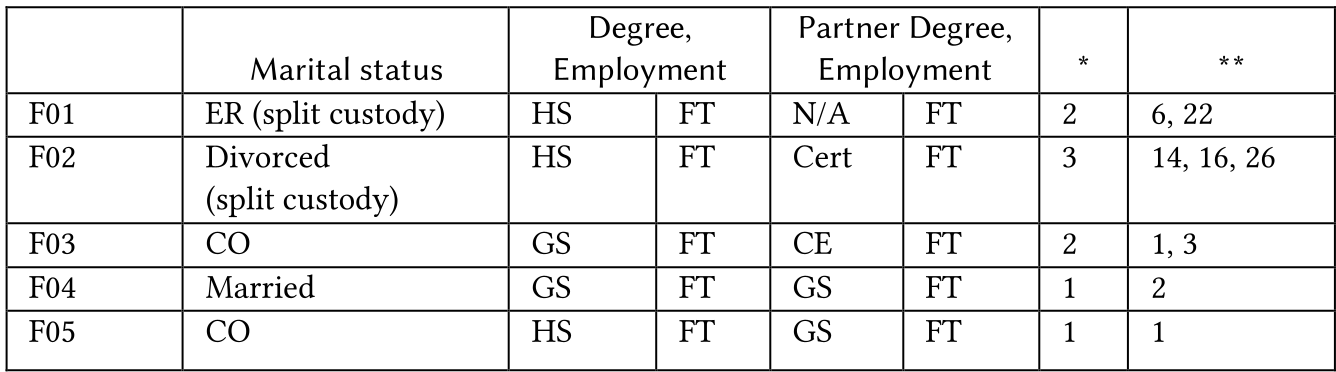
- Lived Experience: In-depth interviews with fathers ranging from stay-at-home dads to those in split-custody arrangements.
Key Finding 1: The App Review as a Cultural Critique
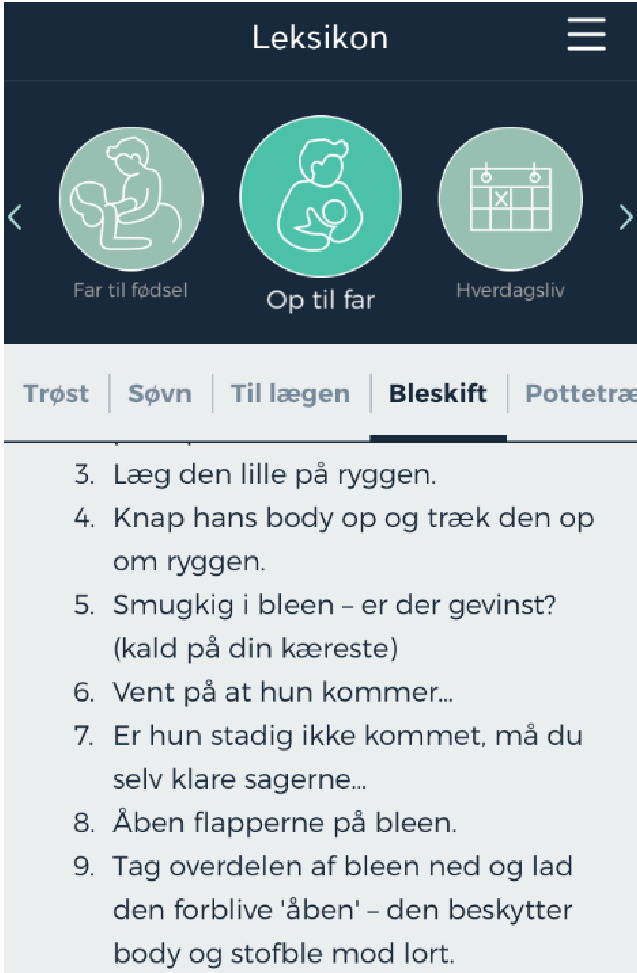
One of the most fascinating segments of the paper is the analysis of the "FAR" app. Designed to be "relatable" to men, the app uses humorous, informal language. While some fathers loved it, a vocal minority found it "disgraceful" and "condescending."
Critics argued that by comparing a fetus to a "steak at an expensive restaurant" or suggesting a father "call the mom" when a diaper is too messy, the app re-enforces the very stereotypes active fathers are trying to escape. This highlights a critical failure in "gendered" design: stereotyping users often alienates the most engaged segment of that audience.
Key Finding 2: Collective Activism over Individual Performance
Unlike the "bro-talk" found on subreddits like r/daddit, the Danish Facebook group conversations were intensely political. 63% of posts were about legal equity, policy-making, and organizing protests.
- Self-Advocacy: Fathers teaching each other how to leverage trade unions for paternal leave.
- Incidental Advocacy: Using Instagram to post mundane, "normal" photos of childcare to prove that fathers are competent primary caregivers—a quiet but powerful political act.
Critical Insight: The Role of Infrastructure
The paper’s core takeaway is that technology use is not universal; it is situated. In Denmark, fathers don't need the "how-to" advice as much because they have access to universal healthcare and professional groups. Instead, they need technology to help them fix the power imbalance in the legal system.
Future Outlook: Design for the "Caring Father"
For HCI researchers and product designers, the lesson is clear: Stop designing for the "cliché father" who is afraid of diapers. The modern father—especially in Scandinavia—is a "privacy steward" for his children and a seeker of legal equality. Future parenting tools must move beyond the "mom-as-default" or "dad-as-bumbling-helper" binary to reflect the reality of the co-parenting ideal.
Conclusion
"Into Scandinavia" reminds us that every "Like," "Share," or "1-Star Review" is a data point in a much larger struggle. In Denmark, these digital footprints are the sounds of an infrastructure being rebuilt, one post at a time.