
Bridging the Ivory Tower and Industry: A Social Network-Driven Knowledge Management Model
Knowledge Management Model Supported by Social Networks. Case: University-Enterprise
The paper proposes the KM-U (Model of Knowledge Management in University) extension, a framework designed to bridge the gap between academia and industry through social networks. By integrating an "Entrepreneurial Node," it aims to facilitate bidirectional knowledge sharing and informal interaction using platforms like Facebook and Twitter.
TL;DR
In an era of rapid knowledge obsolescence, universities struggle to translate academic insights into industrial value. This paper introduces an enhanced KM-U Model that leverages the "digital culture" of social networks to create an Entrepreneurial Node, facilitating informal but effective knowledge exchange between students, researchers, and enterprises.
Context: This work positions itself as a structural bridge, moving beyond formal repositories to embrace the "nervous system" of conversational networks (social media) as a tool for economic development.
Problem & Motivation: The Knowledge Silo
The primary pain point identified is the organizational learning gap. Universities often treat knowledge as a static object to be codified rather than a dynamic flow.
- Academic Side: Focuses on long-term basic research with uncertain commercial outcomes.
- Enterprise Side: Driven by immediate market competitiveness and applied research.
The authors argue that the lack of a "bidirectional link" prevents these two entities from achieving synergy. By ignoring the pervasive nature of social networks (like Facebook and Twitter), universities miss out on a natural, low-friction channel for professional networking and tacit knowledge transfer.
Methodology: The Four-Node Framework
The core innovation is the extension of the KM-U model. Instead of viewing the university as an isolated system, the authors propose a model driven by four interconnected pillars:
- Academic Node: Focuses on knowledge production and professional training.
- Organizational Node: Manages financial and administrative leadership.
- Technology Node: The hardware/software infrastructure (Intranets, Extranets).
- Entrepreneurial Node (The New Core): Specifically designed to link with the external business environment through innovation services and joint projects.
Architectural Breakdown
The model emphasizes that "Knowledge" is the core axis, fed by both internal facilitators (like technological proficiency) and external facilitators (social and cultural environments).
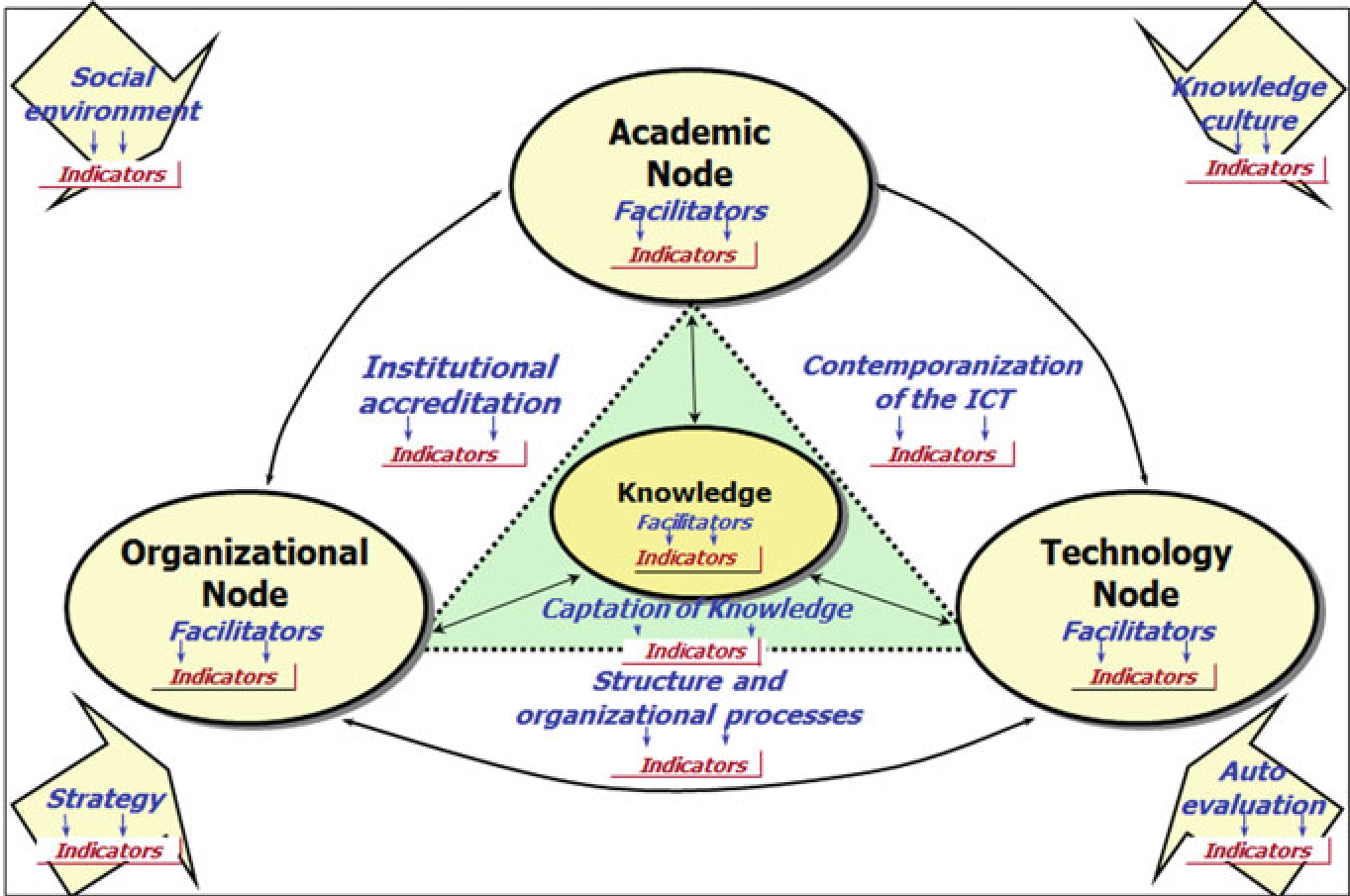 Fig 29.1: The multi-node organizational model for university knowledge management.
Experiments & Results: Is the Community Ready?
The authors conducted a case study at the School of Engineering at University Sergio Arboleda to test the "socio-technical" readiness of the model.
Key Findings:
- Adoption: 99% of students are familiar with Facebook; 81% with Twitter.
- Proactivity: 74% are already using these tools for academic purposes, even without official mandates.
- Potential: 81% believe social networks are ideal for sharing documents and 79% for sharing knowledge between educators and students.
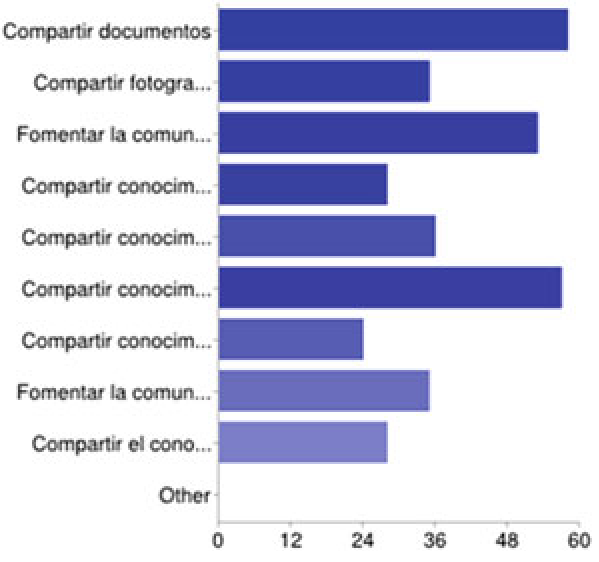 Table 29.6: High preference for sharing knowledge and fostering university-enterprise communication (74%).
Critical Analysis & Conclusion
Takeaway
The research confirms that the "distrust" of social networks in professional settings is largely a myth among the younger generation (Digital Natives). By institutionalizing an Entrepreneurial Node, universities can transform "entertainment tools" into powerful engines for professional networking and technology-based company growth.
Limitations
While the survey shows high attitude readiness, the paper lacks quantitative data on the actual conversion rate of informal social media contacts into high-value patents or formal contracts. Furthermore, the reliance on public platforms like Facebook raises significant data privacy and intellectual property (IP) concerns for proprietary industrial research.
Future Work
The next logical step is the implementation of private enterprise-social networks (like Slack or LinkedIn-based groups) that offer better IP protection while maintaining the informal "flow" described in the KM-U model.