
The Law of Live Streaming: Navigating the Grey Zone Between Telemedia and Broadcasting
The Law of Live Streaming: A Systematic Literature Review and Analysis of German Legal Framework
This paper presents a systematic literature review (N=22) and a specific legal analysis of the German framework regarding live streaming services. It identifies the dominant research focus on copyright and sports broadcasting laws while highlighting critical gaps in privacy and youth protection.
TL;DR
As live streaming evolves from a niche hobby into a global economic powerhouse—encompassing everything from E-Sports to professional broadcasting—legal frameworks are struggling to keep pace. This paper explores the "Wild West" of streaming law, revealing that while we are obsessed with protecting corporate copyrights, we are dangerously behind in protecting individual privacy and youth safety.
Background Positioning
Unlike traditional Video-on-Demand (VOD) like Netflix or YouTube, live streaming is synchronous and time-bound. This paper marks a critical transition in legal scholarship: moving away from viewing the internet as a mere "digital library" and toward treating it as a "live transmission network" that challenges the very definition of what constitutes a "broadcast."
The Core Conflict: Why Current Laws Fail
The author identifies a fundamental mismatch between technology and legislation. In the German context, the primary battle is classification:
- Telemedia: Lightly regulated services where the user chooses when to watch (e.g., standard websites).
- Broadcasting: Heavily regulated services requiring expensive licenses, strict schedules, and youth protection officers.
The "Grey Zone" exists because modern streamers use sophisticated platforms like Twitch to broadcast regularly, often exceeding the audience sizes of traditional local TV stations. This leads to the "PietSmiet" dilemma: at what point does a gamer with a webcam legally become a TV station?
Methodology & Global Trends
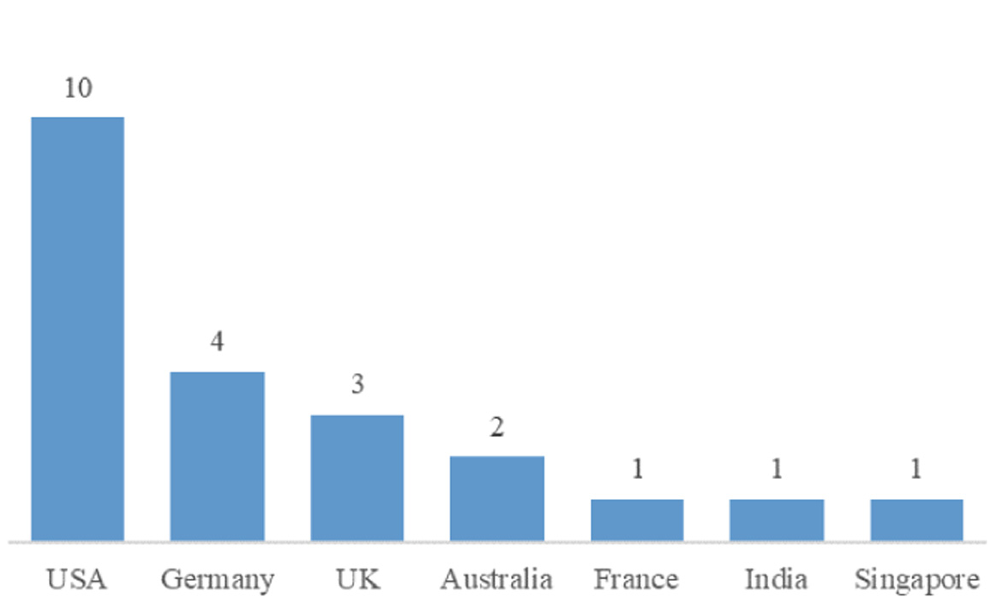
The SLR highlights a massive disparity in global research. While the USA focuses heavily on "Fair Use" and E-Sports (Twitch culture), European research is more concerned with the Right of Communication to the Public and administrative licensing.
Technology: Catching Infringement in Real-Time
One of the most intriguing sections of the paper discusses the failure of static systems like YouTube’s ContentID for live content. The author references StreamGuard, a system that uses unsupervised Bayesian networks to analyze "live chat messages." The insight is brilliant: the audience's reaction (chatting about a specific sports event) is often a faster indicator of a copyright violation than an algorithm scanning the video pixels.
Critical Results: The Infringement Gap
Content analysis of nearly 7,000 streams shows a law-breaking rate of nearly 18%.
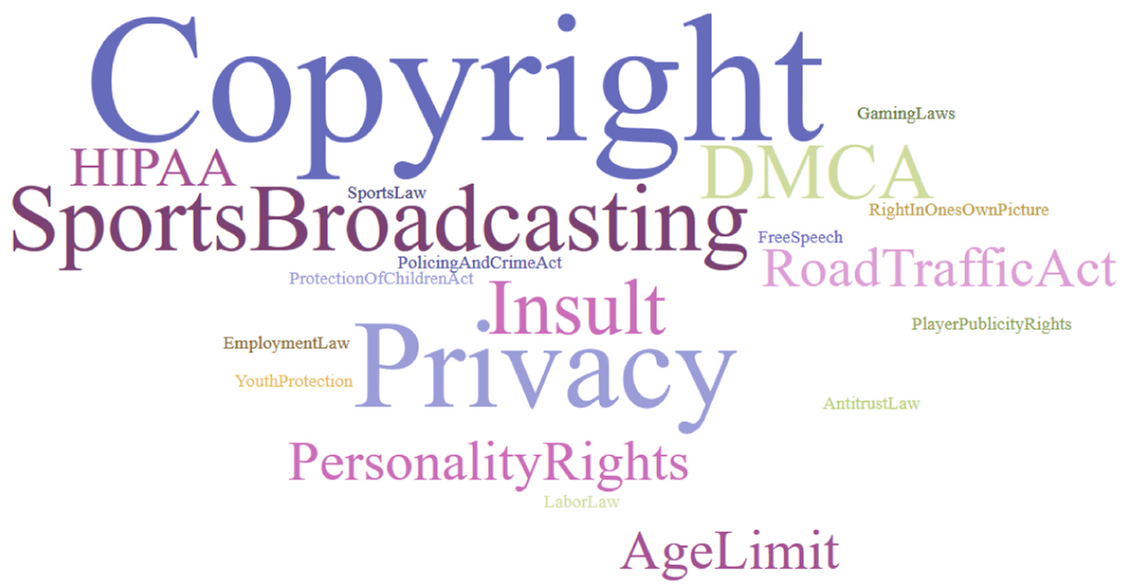
- Copyright Dominance: Most legal energy is spent on E-Sports and Sports Broadcasting.
- The Privacy Blindspot: There is a severe lack of research on "Privacy in Public"—the legal ramifications of a streamer accidentally filming a bystander in a park.
- Youth Protection: Enforcement of age limits (typically 13+) is virtually non-existent, creating a significant ethical risk for platform providers.
German Legal Deep Dive: A Stricter Standard
Germany’s Network Enforcement Act and the transition from the Interstate Broadcasting Treaty (RStV) to the Interstate Media Treaty (MStV) represent the world's most aggressive attempt to regulate the social media market. The author notes that the MStV aims to clarify the licensing mess by setting a threshold of 20,000 regular viewers. This shift effectively decriminalizes the "hobbyist" while bringing "super-influencers" under the same scrutiny as traditional media outlets.
Depth Insight: The "Why" Behind the Methodology
Why does the author insist on a Systematic Literature Review? Because in law, certainty is as valuable as the code itself. By mapping the research gaps, the paper proves that our technological ability to detect crime (like child abuse in live streams) is lagging far behind our ability to monetize content (detecting unauthorized football match streams).
Conclusion & Future Outlook
The paper concludes with a call to action for the AI community: we need a pivot from "Copyright AI" to "Safety AI."
- Regulatory Evolution: Expect more countries to adopt Germany's threshold-based approach to broadcasting licenses.
- Forensic Challenges: Investigating "ephemeral crimes" (crimes that happen live and leave no permanent VOD) requires a new digital forensic methodology.
- Global Divergence: The gap between the US "First Amendment" approach and the EU "Regulated Market" approach is widening, posing a massive challenge for global platforms like Twitch and TikTok.
Final Takeaway: Live streaming is no longer a subculture; it is a regulated industry. Whether you are a developer building a CDN or a streamer building a brand, the "Broadcasting License" is the next major hurdle in the digital economy.