
Beyond the Digital CV: How LinkedIn Forums Drive Lifelong Learning and Innovation
“What and how do we learn from LinkedIn forums?” an exploratory investigation
This study investigates the function of LinkedIn forums as spaces for lifelong learning and professional ethos building. Employing a grounded theory and netnography approach, the authors identify three core interaction patterns—collaborative problem solving, technical skill acquisition, and social networking—that transform these digital spaces into high-value innovation hubs.
TL;DR
LinkedIn is often dismissed as a sterile gallery of professional "window displays," but new research suggests its forums are actually vibrant engines of lifelong learning. By investigating qualitative research groups, this study identifies how "weak ties" and "transactive memory" allow professionals to solve problems, master new technologies, and build a digital ethos that carries real economic weight.
Moving from "Push" Profiles to "Interactive" Ethos
The traditional view of LinkedIn is a "push model"—you post a resumé and wait. However, the authors argue that the true value lies in interactive features (forums, recommendations, and group discussions).
The core insight here is that a LinkedIn profile is a constructed brand. Every "like," comment, and summary choice serves as a "branding promise." When you engage in a forum, you aren't just answering a question; you are building a pathos-driven professional identity that stakeholders (clients, students, employers) use to judge your reliability.
Methodology: The Netnographic Approach
The researchers didn't just look at numbers; they dived into the "Netnography" of six major qualitative research forums (including QRCA and Nvivo Users Group), representing a market of nearly 30,000 professionals.
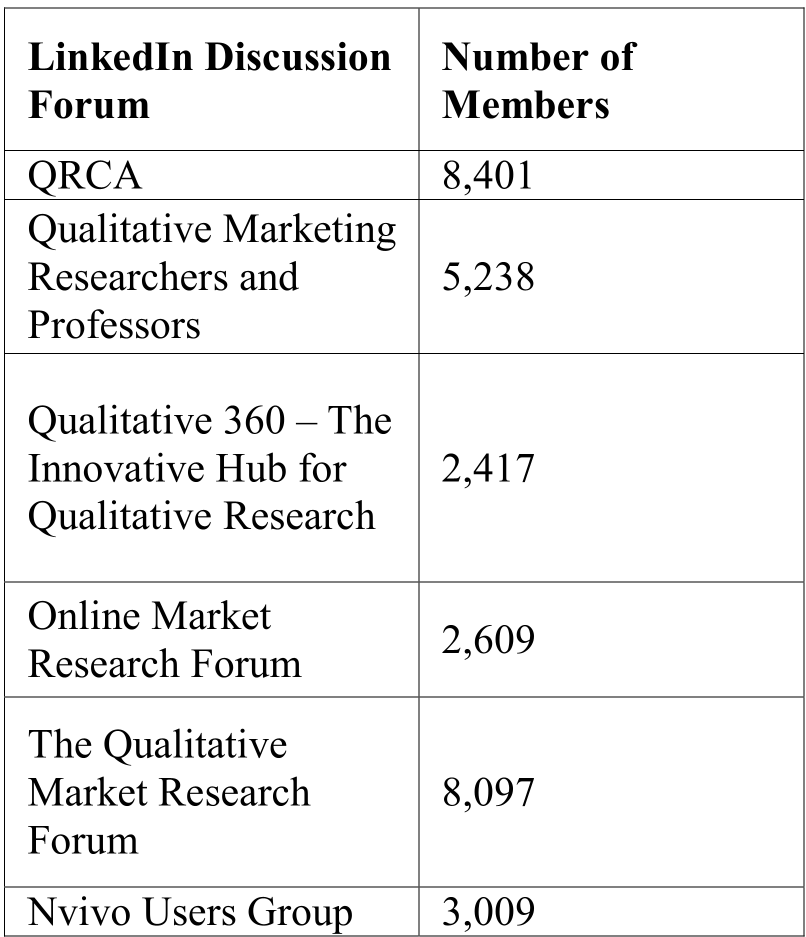
By analyzing the frequency of vocabulary and the structure of 246 comments, they decoded the "What" and "How" of professional learning.
The Three Patterns of Digital Learning
The study identifies three distinct ways we learn on the platform:
- "Help Me Out and Let’s Learn Together": This is collective brainstorming. Unlike a classroom where an "expert" lectures, these threads function as a social collective where participants share tried-and-tested secondary references and practical "war stories."
- "Technical Features Learning Centre": This focuses on the "how-to." In an era of rapid technological shifts, these forums act as a dynamic FAQ where professionals teach each other how to navigate new software (like Nvivo) or social media research tools.
- "Social Network Learning Platform": This is where the Strength of Weak Ties (Granovetter, 1983) shines. By observing who knows what, members develop Transactive Memory Systems—knowing who to ask even if they don't know the answer themselves.
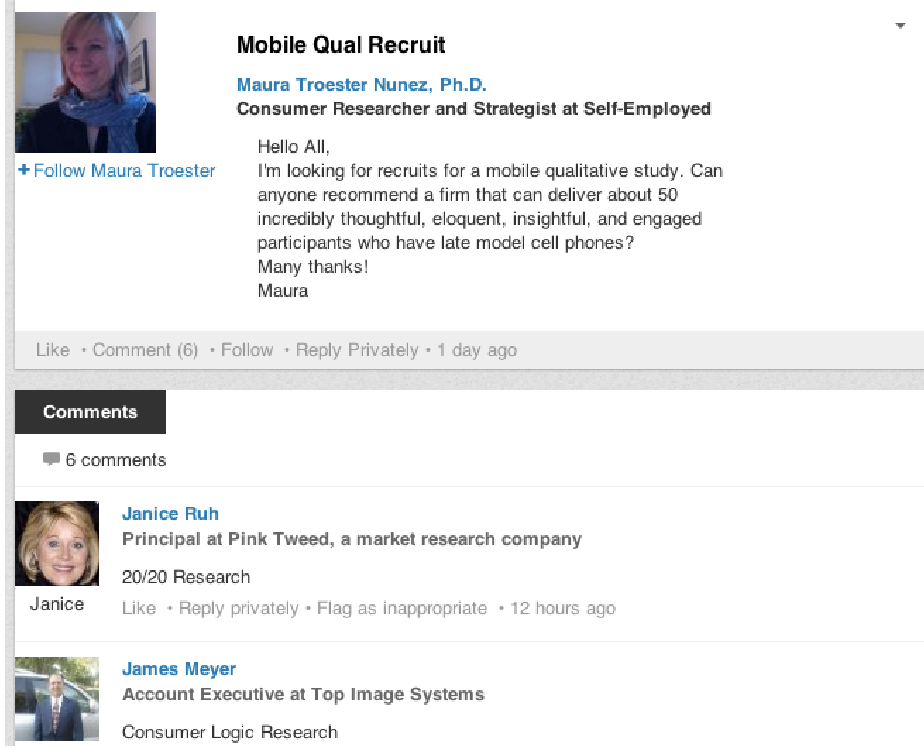 Figure 1: Illustration of a professional seeking specific research recruits, transitioning from a discussion to an economic opportunity.
The Role of the Algorithm
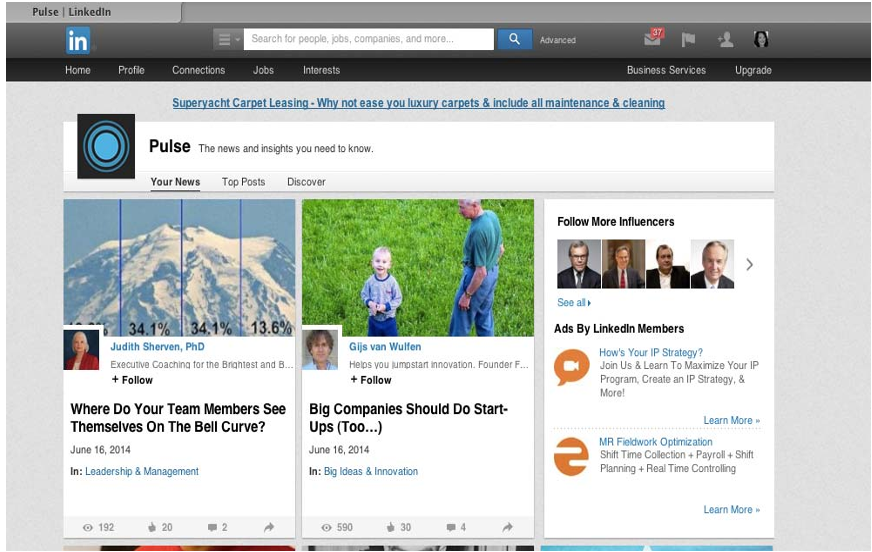
A fascinating takeaway is the "Machine-Co-Constructed Identity." LinkedIn's algorithms suggest skills for recommendation. If a user blindly accepts these, the machine—not the professional—begins to shape the's brand. To maintain a credible ethos, professionals must curate these algorithm-driven suggestions to ensure their primary expertise isn't buried under generic tags like "Teaching."
Strategic Insights for Managers & Academics
The study concludes with actionable advice for those looking to leverage these spaces:
- Avoid "Single Announcements": Posting a link to your book without context is seen as "noise" and treated as an advertisement. It is usually ignored.
- Contextualize Expertise: Integrate your findings into existing debates. Credibility is higher when others reference your work in a discussion.
- Value the "Like": Even small interactions signify trust and social alignment, contributing to the "Loyalty Effect."
Conclusion: A Space for Innovation
LinkedIn forums are more than just message boards; they are multidisciplinary innovation spaces. By connecting active researchers to industry through weak ties, these platforms facilitate "lifelong learning" that is trusted more than traditional physical classroom content. As the professional world becomes increasingly digital, the ability to manage one's digital ethos within these forums will be a prerequisite for career longevity.
Limitations: As an exploratory study, the findings are focused on qualitative research groups. Future research should examine how these patterns hold up in more traditional industries or different national cultures.