
The SNS Paradox: A Decade of Social Networking in K-12 Education
Learning and teaching with social network sites: A decade of research in K-12 related education
2015-11-18
Summary
Problem
Method
Results
Takeaways
Abstract
This paper presents a comprehensive literature review (2004-2014) of educational research concerning Social Network Sites (SNS) in K-12 education. Utilizing Roblyer’s typology, the authors analyze 24 empirical studies to determine how platforms like Facebook and Ning influence pedagogy and student learning outcomes.
## Executive Summary
**TL;DR**: While teenagers spend the vast majority of their lives on social networks, schools are struggling to turn these digital playgrounds into productive classrooms. This meta-review of a decade of research (2004-2014) reveals a significant "effectiveness gap": we know how students use Facebook for fun, but we have almost zero empirical evidence proving it actually improves their grades in a formal K-12 setting.
**Academic Positioning**: This work serves as a critical "reality check" for the educational technology field. It transitions the conversation from utopian "digital native" rhetoric to a structured critique of current research gaps, specifically highlighting the lack of rigorous evidence-based studies in the K-12 sector compared to higher education.
## The Motivation: Why Social Networks Failed the Classroom (So Far)
Educators once envisioned a "social constructivist" revolution where Facebook or Ning would facilitate co-creation and 21st-century skills. However, the authors identify a painful disconnect:
* **Institutional Resistance**: Most schools treat SNS as a distraction to be blocked rather than a resource to be harnessed.
* **Dated Implementation**: When teachers do use social media, they often use it for "grade management" or assignment submission—essentially using a Ferrari to deliver mail.
* **Boundary Conflicts**: The "relaxed" literacy of social media often clashes with the "academic" literacy demanded by traditional schooling.
## Methodology: The Roblyer Framework
To make sense of the chaos, the authors utilized the **Roblyer (2005) Typology**, which categorizes EdTech research into four pillars. They analyzed 24 key studies against these criteria to see where the scholarship stands.
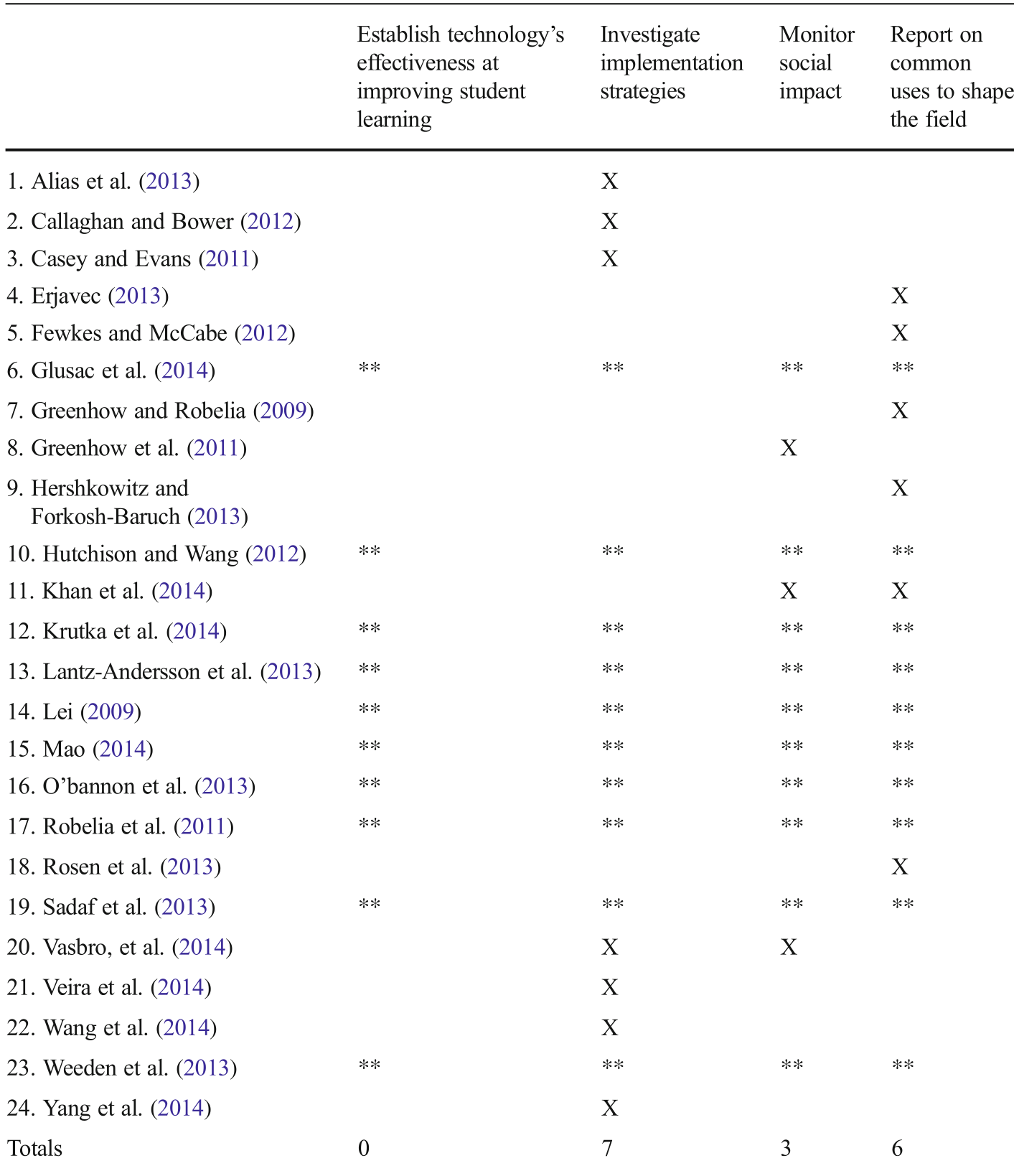
*Fig 1: The distribution of research shows a heavy lean toward descriptive studies rather than experimental ones.*
## Core Insights from the Evidence
The review breaks down findings into three vital segments:
1. **The Informal Edge**: Outside school, SNS is a powerhouse for "social capital." Low-income students, in particular, use MySpace (at the time) and Facebook to build "bridging capital"—connecting with acquaintances who provide help with school-related tasks and life transitions.
2. **The Formal Struggle**: In-school studies found that while platforms like Facebook *can* enhance creativity (e.g., in Islamic studies or Biology), the success is entirely dependent on the teacher's "online presence." If the teacher isn't actively modeling academic behavior on the platform, students revert to pure socializing.
3. **The Teacher Gap**: Most "teacher" research focuses on *pre-service* (student) teachers. These "digital natives" are comfortable using SNS for selfies, but they often feel completely unprepared to use those same tools for pedagogy.
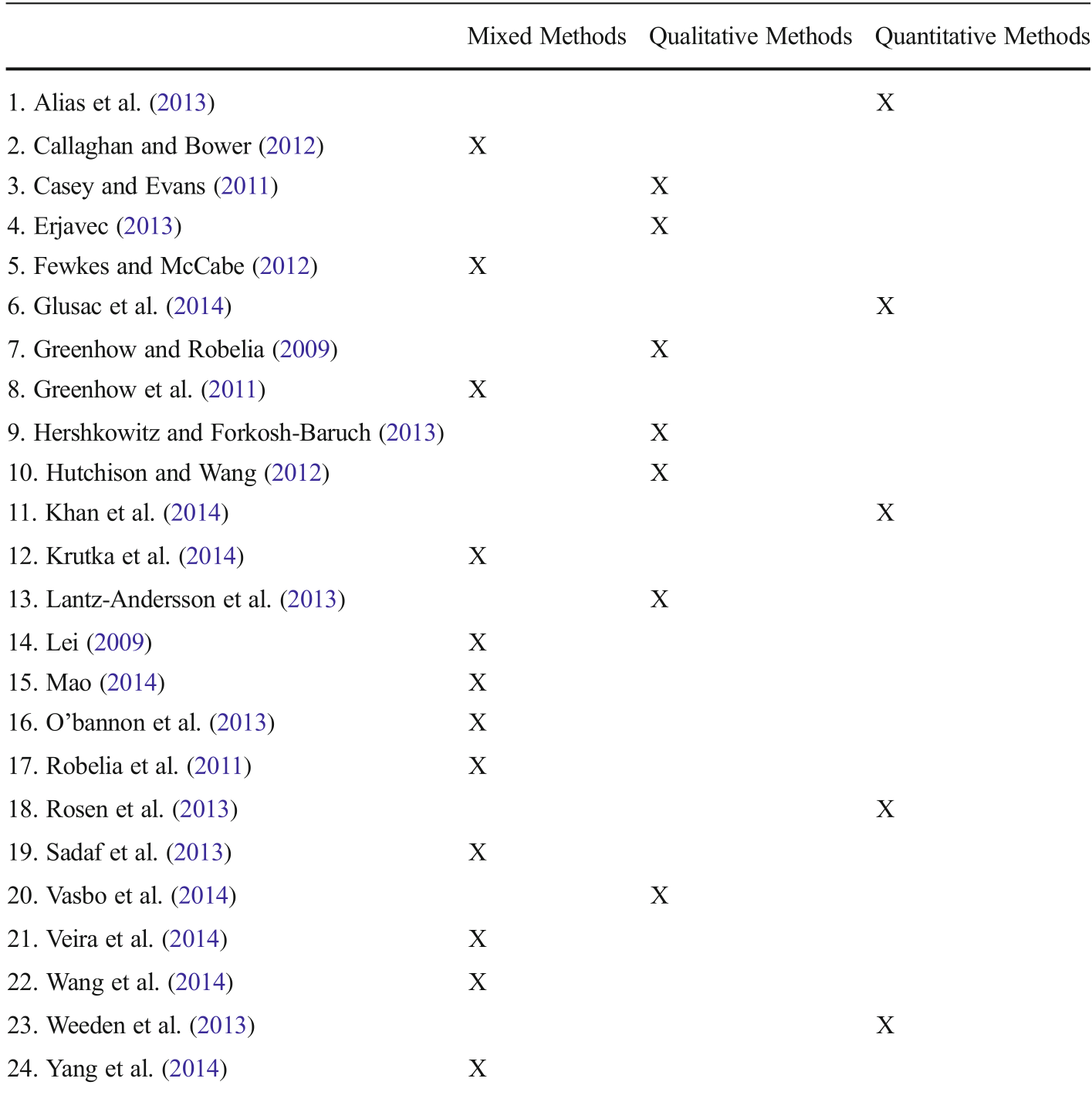
*Fig 2: A snapshot of the diverse methods (Mixed, Qual, Quant) used across the decade to map the SNS landscape.*
## Critical Analysis: What’s Missing?
The most damning finding of this review is the **"Zero Effectiveness"** result. In ten years of research, the authors found no major studies that successfully established the technology’s effectiveness at improving student learning in a controlled, replicable way.
**Limitations**: The review stops at 2014, missing the rise of TikTok and Instagram, which have fundamentally changed the "socio-technical" features of social media from text-based/profile-based to video-driven/algorithmic discovery.
## Conclusion & Future Outlook
The paper concludes that we must move beyond simply asking "What are students doing on Facebook?" Instead, we need studies that:
* **Bridge the Gap**: Connect out-of-school "incidental learning" with classroom curricula.
* **Focus on In-Service Teachers**: Stop studying what student teachers *plan* to do and start studying what veteran teachers are *actually* doing.
* **Prove the Value**: Shift from descriptive case studies to experimental designs that measure actual learning gains.
**Takeaway for the Industry**: For developers and ed-tech innovators, the message is clear: the "social" in social learning isn't a feature—it's a culture. Until software can bridge the "boundary crossing" between a student's social identity and their academic growth, SNS will remain an undervalued asset in the K-12 toolkit.