
NATCONSUMERS: Bridging the Gap Between Smart Meter Data and Human Behavior via Fuzzy NLG
Generation of Linguistic Advices for Saving Energy: Architecture
The paper introduces a specialized Natural Language Generation (NLG) architecture for the NATCONSUMERS project, aimed at promoting sustainable energy consumption. By integrating the classical Reiter & Dale NLG framework with Fuzzy Logic-based "Computing with Perceptions," the system generates personalized linguistic advice tailored to specific consumer profiles.
TL;DR
The NATCONSUMERS project moves beyond cold energy charts by proposing a multidisciplinary architecture that merges Computational Linguistics with Fuzzy Logic. It transforms raw electrical consumption data into personalized, emotional linguistic advice delivered by a virtual avatar, specifically designed to nudge EU citizens toward sustainable habits.
Problem & Motivation: The "Data-Knowledge" Gap
Why do most people ignore their energy bills? The authors argue that residential energy consumption (28% of EU total) is largely governed by habitual behavior. Traditional feedback—usually 1D graphs or monthly totals—lacks the "persuasive" power to break these habits.
The challenge is twofold:
- Complexity: Translating thousands of smart-meter data points into a few sentences is a massive data-reduction task.
- Diversity: A "one-size-fits-all" message fails because a "Modern Passive" consumer cares about different triggers than a "Traditional Saver."
Methodology: High-Level Architecture
The core of this work is the fusion of the classic Reiter and Dale NLG pipeline with the Granular Linguistic Model of Phenomena (GLMP).
1. The Perceptual Mapping (Fuzzy Logic)
Instead of hard thresholds, the system uses Fuzzy Sets to define labels like "Slightly Higher" or "Much Lower." This allows the system to handle the inherent "vagueness" of human perception (e.g., what constitutes "high" consumption depends on the average of the consumer's specific cluster).
2. The NLG Pipeline
- Document Planner: Decides what to say (e.g., "Your standby consumption is high") based on communicative goals.
- Micro-planner & Surface Realizer: Decides how to say it, selecting appropriate adjectives and ensuring grammatical correctness.
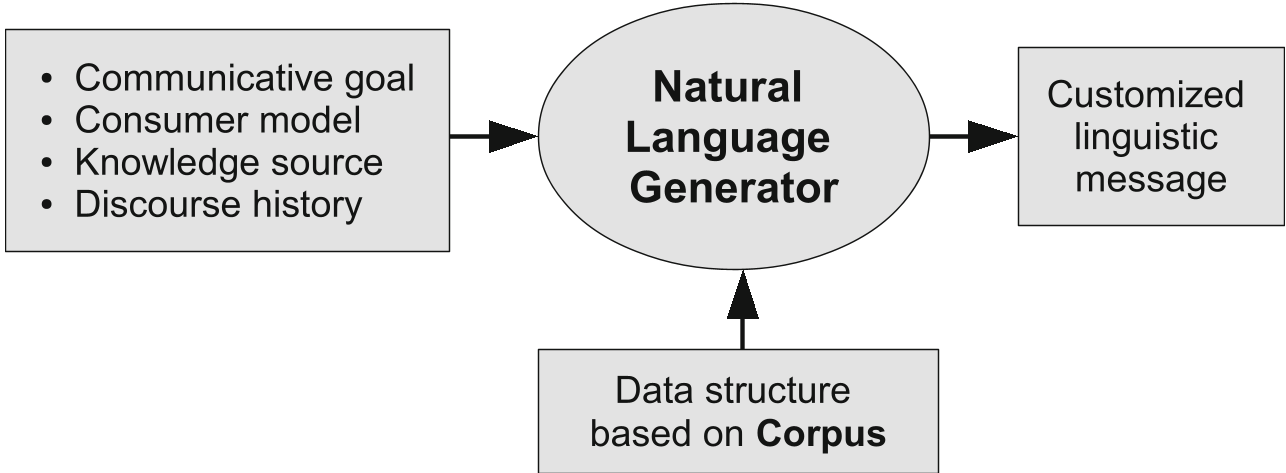 Figure 1: The general NLG architecture adapted for energy advice.
Affective Computing: The Role of the Avatar
A unique insight in this paper is the use of Affective Computing. The system doesn't just print text; it produces a virtual agent that changes its facial expressions based on the user's performance.
- High Consumption? The avatar looks worried or sad to trigger empathy/concern.
- Great Savings? The avatar looks happy and relaxed to provide positive reinforcement.
Experimental Results: Personalized Feedback in Action
The pilot tested 12 different household "clusters." The system showed remarkable adaptability in generating distinct reports:
- The "Over-Consumer": For user ID 144283, the system detected consumption "considerably higher" than the cluster. The resulting report shifted focus to "load shifting"—moving laundry or heating to "dawning" hours when costs are lower.
- The "Efficient Saver": For user ID 144502, the report was congratulatory but still provided "keep it up" advice to prevent regression.
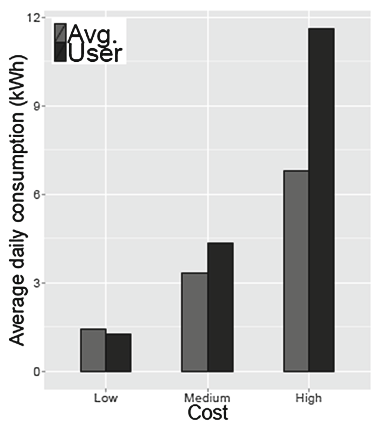 Figure 2: An energy report featuring the emotional avatar for a high-consumption user.
Critical Insight & Conclusion
This paper predates the modern LLM explosion, but its core philosophy remains highly relevant: Expert-driven Fuzzy Logic provides a safety and interpretability layer that "black-box" models often lack.
Takeaway: By mapping numerical sensor data to specific "Computational Perceptions," we can build AI that doesn't just calculate—it communicates. The next step for this research would be integrating these fuzzy "perceptions" into the prompt-engineering layers of Large Language Models to combine mathematical precision with naturalistic fluency.
Limitations: The current iteration relies heavily on pre-defined templates. Future work could benefit from more dynamic discourse history to ensure the avatar doesn't become repetitive over long-term use.