
Living with Paro: How Robotic Seals are Healing the Aging Mind and Body
12062_Living With Seal Robots - Its Sociopsychological and Physiological Influences on the Elderly at a Care House.
This study evaluates the sociopsychological and physiological impacts of the "Paro" seal robot on elderly residents in a care house. Using a "Mental Commit Robot" designed for robot therapy, the research demonstrates significant improvements in social cohesion and stress-related hormone levels through long-term daily interaction.
TL;DR
As the global population ages, the "loneliness epidemic" in care facilities has become a critical health risk. This seminal study by Wada and Shibata introduces Paro, a therapeutic seal robot, into a Japanese care house. The results are striking: Paro didn't just entertain; it reorganized the social fabric of the facility and significantly lowered the physiological stress levels of residents, as evidenced by urinary hormone analysis.
Background: The Limits of Traditional Therapy
While Animal-Assisted Therapy (AAT) is a gold standard for elderly care, it is practically a nightmare for facility administrators. Concerns over hygiene, bites, and the logistical burden of animal care often lead to the exclusion of biological pets. Early robotic attempts using commercial products like Sony’s AIBO often fell short because they weren't durable enough for 24/7 interaction or lacked the "mental commit" design necessary to trigger deep emotional bonds.
Methodology: The "Mental Commit" Architecture
Paro is not just a toy; it is a sophisticated HRI (Human-Robot Interaction) platform. Its design utilizes a harp seal model (to avoid the high expectations of accuracy associated with dogs or cats) and features a hierarchical behavior system:
- Proactive Layer: Generates internal "desires" and emotions based on a diurnal rhythm.
- Long-term Memory: Uses reinforcement learning—Paro "enjoys" being stroked and "dislikes" being hit, allowing its personality to be shaped by the user.
- Ubiquitous Tactile Sensors: Provides a natural, soft feel that is crucial for the "petting" reflex.
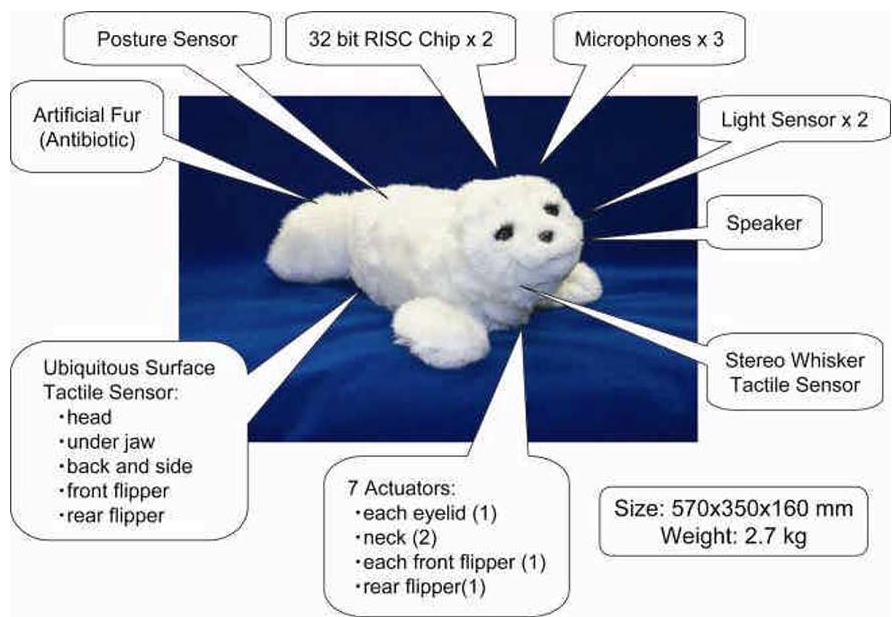 Figure 1: Paro's design focuses on tactile feedback and non-verbal communication.
The "Social Lubricant" Effect
One of the most profound findings was Paro’s role as a "social lubricant." In the experiment, residents who previously stayed in their rooms or engaged in "backbiting" began to gather in public areas to interact with Paro.
The researchers used Social Network Analysis to map these changes. By comparing "Sociograms" before and after Paro’s arrival, they found that the density of social ties increased significantly. Paro provided a neutral topic of conversation, allowing residents with different dialects or social anxieties to bond over a shared object of affection.
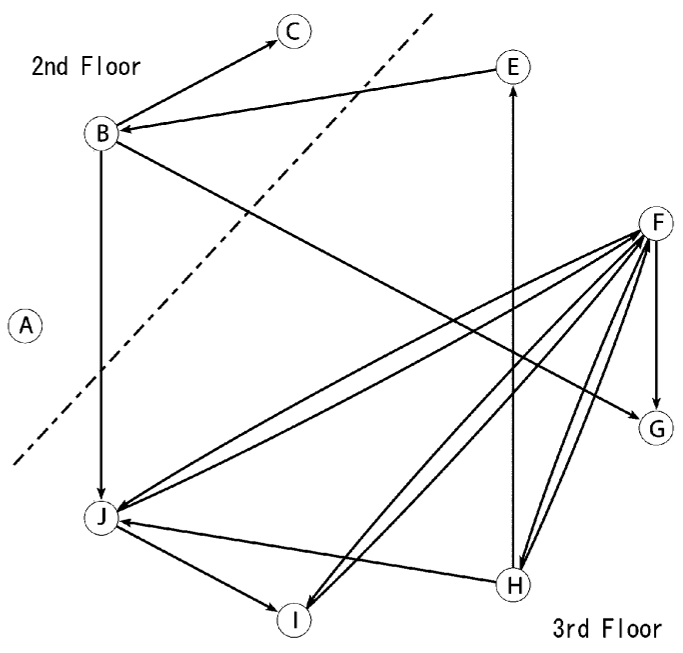 Figure 2: Sociograms showing increased density and strength of social ties post-introduction.
Physiological Evidence: Beyond Subjective Smiles
While many HRI studies rely on questionnaires, this work stands out for its physiological rigor. The team tracked urinary levels of 17-KS-S (associated with vitality) and 17-OHCS (associated with stress).
The data revealed a marked increase in the 17-KS-S/17-OHCS ratio. A higher ratio indicates that the body’s vital organs are better managed and less taxed by chronic stress.
| Hormones | Before | 2 weeks after | 4 weeks after |
|---|---|---|---|
| 17-KS-S / 17-OHCS | 0.18 ± 0.08 | 0.22 ± 0.10* | 0.26 ± 0.09* |
Note: Statistical significance (p < 0.05) highlights the genuine biological impact of the robot.
Case Studies: Breaking Through Silence
The paper highlights "Subject I," a 75-year-old woman who suffered from autonomic ataxia and social withdrawal due to a complex about her regional dialect. Before Paro, she felt "it would be better to die." After interacting with Paro—mimicking its voice and grooming it—she became more cheerful and talkative. Her urinary stress markers nearly doubled in healthiness (from 0.08 to 0.18).
Critical Insight: Why it Works
The success of Paro lies in its Inductive Bias. By choosing a seal (an animal most people haven't met in person), the "Uncanny Valley" is avoided. Users do not judge Paro for not acting exactly like a dog; instead, they project their own feelings onto its ambiguous, reactive behaviors.
Conclusion & Future Work
The study proves that "Mental Commit" robots can perform as valid therapeutic tools with measurable physiological benefits. However, the study was limited by a small sample size (n=12) and the lack of a control group. Future research into the long-term (multi-year) habituation effects will be essential to determine if the "Paro effect" is permanent or a temporary novelty.
Takeaway: In the future of eldercare, the most important "staff member" might not be a human, but a soft, white robotic seal that knows how to listen.