
Smart Logistics: Optimizing Marketing Costs via Intelligent Network Project Management
Marketing Logistics Cost Optimization and Application Research in Smart Living
This paper presents a framework for optimizing marketing logistics costs within the "Smart Living" context using Intelligent Network (IN) technology and factor analysis. By applying project management principles to a case study of a brewery, the authors demonstrate a systematic approach to cost control through automated data sharing and differential analysis.
TL;DR
This research bridges the gap between traditional enterprise logistics and the "Smart Living" era. By treating logistics as a managed project and leveraging Intelligent Network (IN) technology, the authors propose a framework to dismantle "information islands" and apply Differential Analysis to pinpoint cost inefficiencies in the supply chain.
The Motivation: Why Traditional Logistics Fails in "Smart Living"
As the mobile internet reshapes consumer behavior, traditional marketing logistics struggle with fragmented data. Most enterprises focus on individual marketing elements but lack a macro-level project perspective. This results in:
- Information Islands: Disconnected databases between finance, transport, and sales.
- Static Budgeting: An inability to adjust to real-world disruptions (e.g., geographic obstacles or sudden sales spikes).
- Accounting Mismatch: Discrepancies between logistics execution and financial reporting.
Methodology: The Intelligent Network (IN) Flip
The core innovation lies in applying Advanced Intelligent Network (AIN) principles—originally a telecommunications architecture—to logistics. This allows for a "service independent" architecture where data flows freely between departments.
1. The Cost Decomposition Formula
The paper defines the total marketing logistics cost () as:
2. Differential Analysis (The Logic Engine)
To understand why costs deviate from budgets, the authors use the Factor Substitution Method. If an actual index () deviates from a standard index (), the influence of a single factor (like transportation price) is isolated by holding others constant.
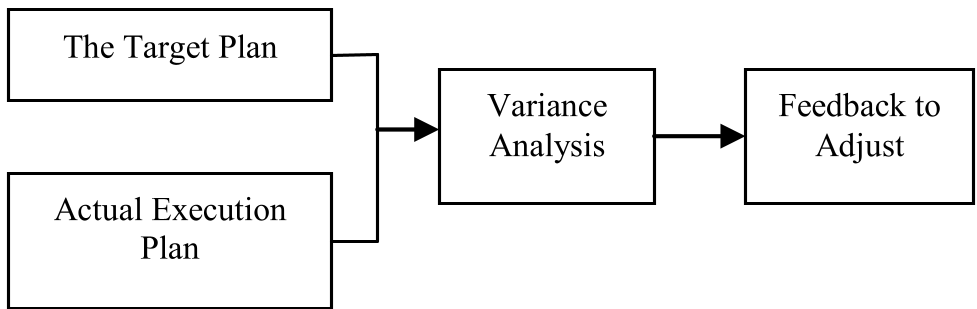 Figure 1: The proposed intelligent control loop for logistics cost management.
Empirical Evidence: The Brewery Case Study
The authors analyzed a beer sales company in Shaanxi. Beer logistics are unique because "unloading costs" are often transferred to the customer.
Key Findings:
- Volume vs. Cost: A 100% sales increase led to a 131.13% cost increase, indicating a lack of economy of scale.
- The "Qinling" Factor: The rugged terrain of the Qinling Mountains acts as a significant "uncontrollable factor," driving transportation costs up by 120%.
- Efficiency Leaks: Loading costs grew by 177.78%, signaling that worker efficiency did not scale with the new "Smart Living" demand.
Note: Empirical results highlight the disproportionate growth of loading and transportation costs relative to sales.
Critical Insights & Future Outlook
The paper offers three vital takeaways for the industry:
- Projectization: Logistics is not just a cost center; it is a project that requires a lifecycle of planning, execution, and milestone-based monitoring.
- Regional Nuance: Quantitative models must be tempered by "Geographic Intelligence." A model that works in flat terrain will fail in mountainous regions like Shaanxi without dynamic adjustment factors.
- Big Data Integration: The future lies in using mining technology to unify logistics and financial accounting methods, ensuring that "Total Difference" (Actual vs. Standard) is visible in real-time.
Limitations
While the study excels in factor analysis, it primarily focuses on historical data from 2019. Future iterations should incorporate Predictive Analytics (AI) to estimate "unexpected risks" (like weather or fuel spikes) before they impact the bottom line.
Conclusion
By shifting from manual oversight to an Intelligent Network framework, enterprises can move beyond simple cost-cutting and toward Strategic Cost Optimization. This work serves as a foundational roadmap for companies navigating the logistics complexities of an increasingly connected society.