
Beyond Specialized Tools: Designing Technology for Inclusive Play
Maximizing Children’s Opportunities with Inclusive Play: Considerations for Interactive Technology Design
This paper explores the design space of "inclusive play"—play between neurotypical and neurodiverse children—and characterizes how interactive technology can facilitate or hinder these social interactions. Through design ethnography and stakeholder interviews, the authors identify key design considerations to maximize social and emotional learning in inclusive settings.
TL;DR
Inclusive play—where children with and without disabilities play together—is a goldmine for social-emotional growth, yet it is critically under-supported by current technology. This paper from the University of Washington reframes disability through a "social model," identifying how we can design interactive tools that act as mediators rather than "fixes," moving the needle toward truly universal design in the IDC (Interaction Design and Children) space.
The "Broken" Status Quo: Why Play Isn't Always Inclusive
Inclusion isn't just about putting children in the same room; it’s about meaningful engagement. Historically, technology for neurodiverse children (e.g., those with ASD or ADHD) has been specialized, often focusing on solitary skill-building. The authors argue that this creates a "silo" effect.
The core challenge is that facilitating inclusive play requires immense "scaffolding" from adults. Teachers must plan "play plans," and parents must battle "fear of the unknown" and ableist stigmas. When technology is introduced, it is often viewed as a "crutch" or a solitary distraction that prevents "real" interaction.
Navigating the Design Space
The authors categorize play technology along two axes:
- Level of Inclusion: Specialized vs. Inclusive.
- Type of Play: Structured (rules-based) vs. Unstructured (open-ended).
 Figure 1: The authors identified the top-right quadrant—inclusive, unstructured play—as a significant "blue ocean" for future design.
Methodology: Insights from the Classroom
The team didn't just speculate; they embedded themselves in an inclusive kindergarten for eight months. They observed "buddy pairs," interviewed parents who were often exhausted by the labor of "translating" their child's disability to others, and ran design workshops where children built "spaceships" and "aliens."
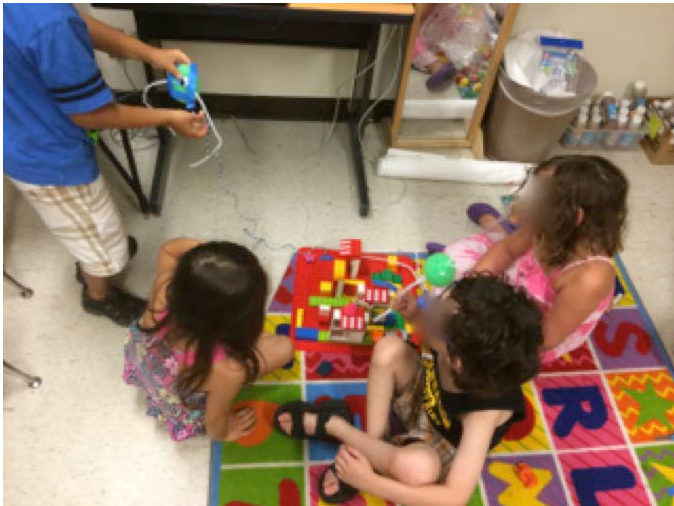 Table 1: The research bridged perspectives from children, teachers, and parents to form a holistic view.
The 5 Pillars of Facilitation
The study highlights what actually works in the real world to get children playing together:
- Transparency: Being honest about differences. (e.g., "Student A is learning to keep their body safe, just like you are learning letters.")
- Embedded Supports: Designing toys that require two people. (e.g., a teeter-totter or a wagon).
- Adjustability: Tools that scale to different motor or cognitive abilities.
- Focus on Strengths: Using shared interests—like a mutual love for baseball or "toilet humor"—to bridge ability gaps.
- Technology as a Bridge: Using devices to find "common ground" rather than as a solitary reward.
Future Outlook: The "Digital Recordable Activity Book"
To ground their findings, the authors propose a scenario: an iPad game where children must complete "real-world" tasks together—like taking a photo of their silliest faces or recording each other’s ideas. This design avoids the "solitary" trap of tablets by forcing interaction outside the screen.
Critical Analysis
While the paper provides a brilliant roadmap, it acknowledges its own limitations: the ethnography was conducted in a "well-resourced" school. The "Effort Barrier" remains the biggest hurdle for families without such support. For developers, the takeaway is clear: Stop designing for "the disability" and start designing for "the friendship."
Summary of Design Considerations
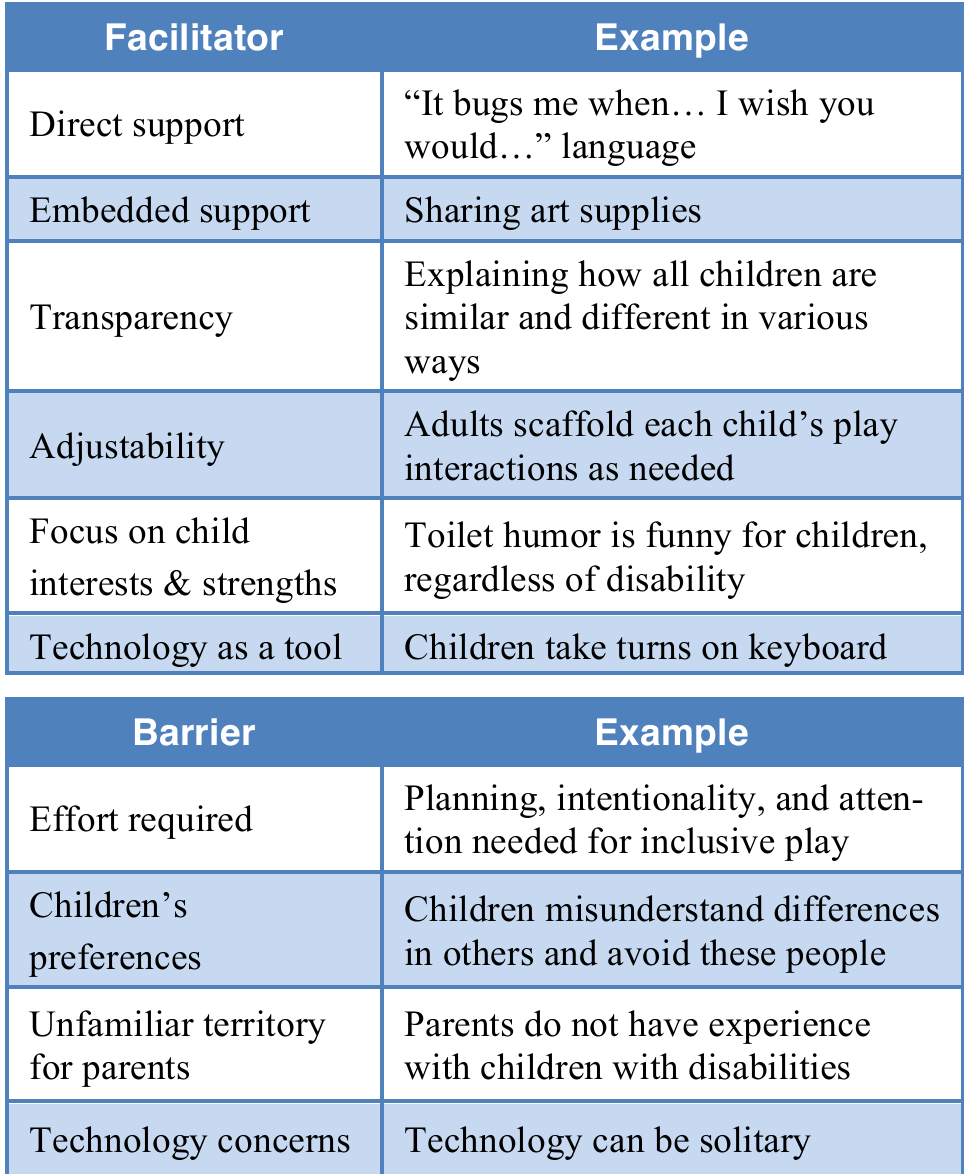 Table 2: A cheat sheet for designers to verify if their product is helping or hurting the inclusive experience.